



Introduction — Dive into Porto’s culture in a single day
Porto, Portugal’s second city, is where history, art and music meet in cobbled lanes, azulejo-covered facades and bustling quays. A well-planned day can deliver a full cultural immersion: contemporary and classical museums, iconic monuments, and the living memory of fado — that melancholic song that tells stories of lives and fate. This article lays out a detailed, realistic, hands-on itinerary to make the most of a single day in Porto, with exact addresses, opening times, indicative prices and local tips to optimize every minute.
The aim is not to skim the surface, but to offer a dense, coherent experience: start with contemporary art and gardens, shift to national heritage highlights, lunch on the banks of the Douro, visit the emblematic halls that tell Porto’s commercial story, and finish with an evening dedicated to fado in a traditional venue. Each step is designed to minimize unnecessary travel while providing both visual panoramas and immersive listening moments.
Alongside practical information — full addresses, typical opening hours and prices in euros — you’ll find sensory descriptions (light, atmosphere, textures) and local advice: when to book, how to dress for a church or concert hall, and how to secure a riverside table to enjoy views of the Douro. Note: some prices and hours can change with the season; I include indications that were verifiable on official sites at the time of writing, but it’s recommended to confirm before you go.
This guide is made for the curious, discerning traveler: you’ll discover not just places but ways of experiencing them. If you have a little extra time, some visits can be expanded (temporary shows at Museu de Serralves, guided tours of Palácio da Bolsa), and your fado night can become more intimate by booking a table at a small restaurant that programs local musicians. Pack comfortable shoes, your camera, and an attentive ear: Porto will speak to you, often in a low, poignant voice.
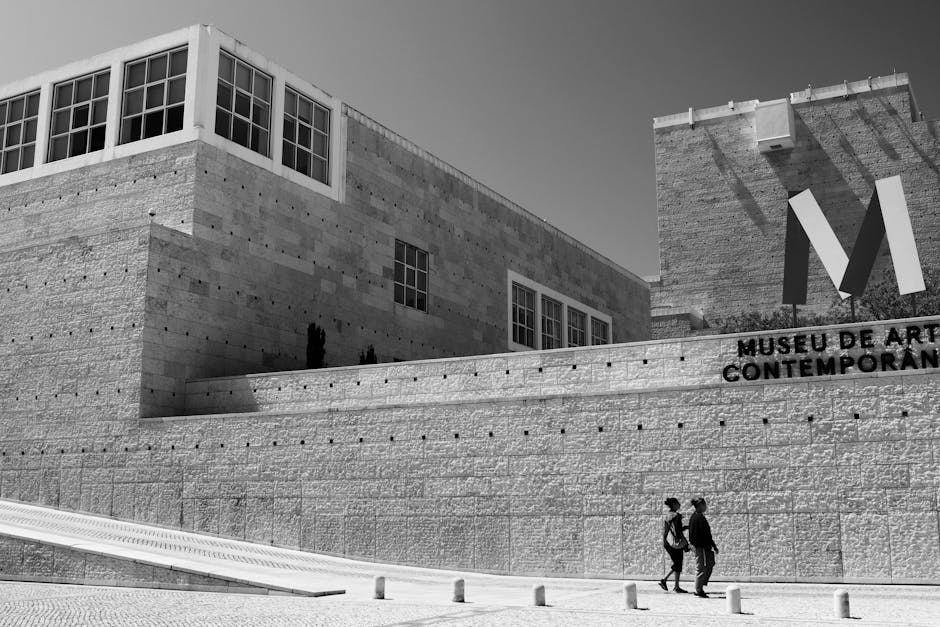
Morning — Contemporary art and national collections: Museu de Serralves and Museu Nacional Soares dos Reis
Start your day with Porto’s artistic breath set within nature and striking architecture. Museu de Serralves (Museu de Serralves, Rua Dom João de Castro 210, 4150-417 Porto) is one of Portugal’s foremost contemporary art museums. Typical hours: Tuesday to Sunday 10:00–18:00 (closed Monday). Indicative prices: adult ticket for museum and park ≈ €12.00; reduced ≈ €6.00; free entries and promotions may apply (check the official website). Let yourself be absorbed by the airy curation, contemporary works that converse with the open park spaces, and the Serralves Villa (Casa de Serralves), a remarkable Art Deco house set among French-style gardens and meadows.
Practical tip: arrive at opening to avoid crowds and to benefit from ideal morning light for photography. Allow at least 90 minutes for the museum and 60–90 minutes for a walk in the park. The museum café offers drinks and snacks if you want a contemplative break before continuing.
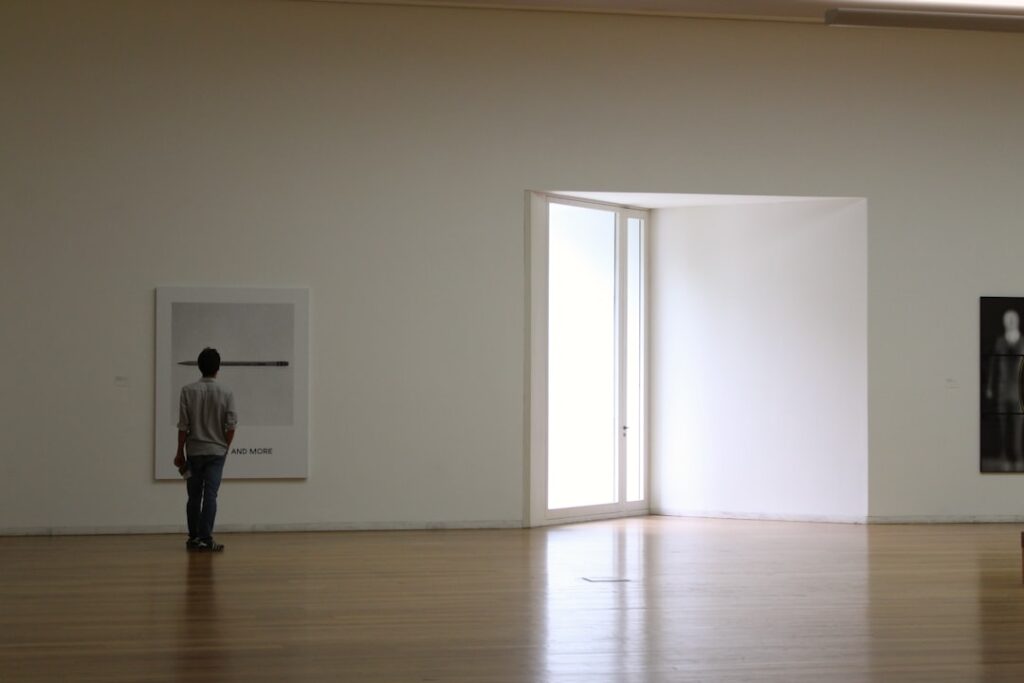
After Serralves, head to the Museu Nacional Soares dos Reis (Museu Nacional Soares dos Reis, Rua Dom Manuel II 44, 4050-346 Porto), housed in the Palácio dos Carrancas. Typical hours: Tuesday to Sunday 10:00–18:00 (closed Monday). Indicative prices: adult ticket ≈ €5.00; reduced ≈ €2.50. The collection includes paintings, sculptures, furniture and ceramics from the 18th to the 20th century, offering a solid panorama of Portuguese art. The sculpture rooms and decorated salons recreate the atmosphere of a 19th-century palace — ideal for those interested in techniques, materials and the family histories behind national collections.
Local tip: ask for the brochure in French if you’re not comfortable with Portuguese; staff are usually helpful and can point out must-see pieces. Expect a half-hour walk or a short taxi ride between Serralves and the museum if you don’t have a car.
Midday — Ribeira, Palácio da Bolsa and Igreja de São Francisco: lunch on the Douro and heritage immersion
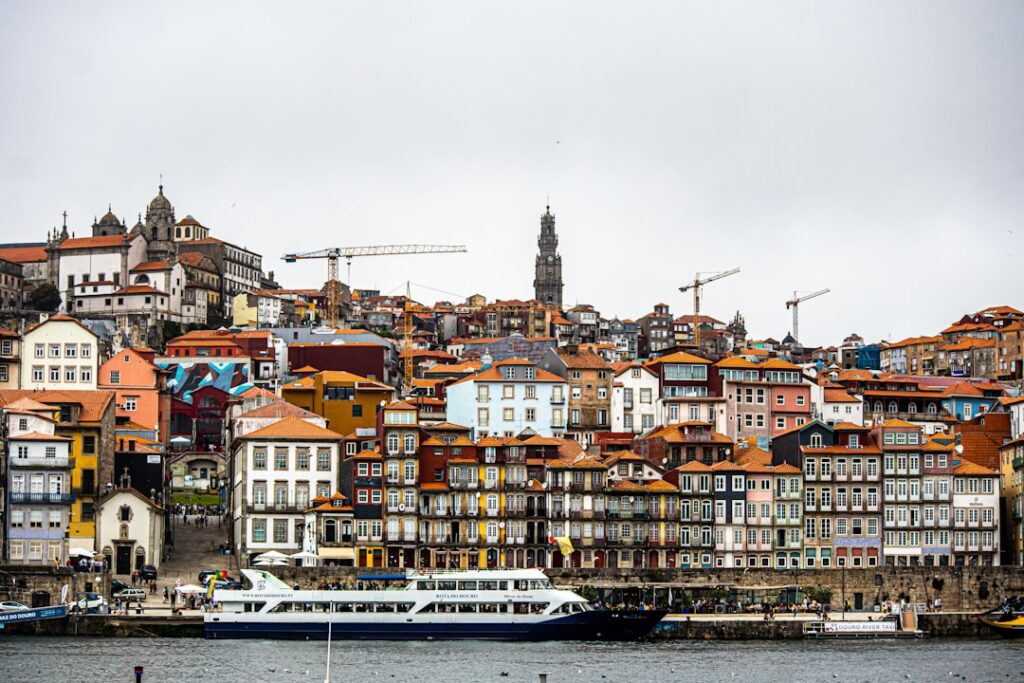
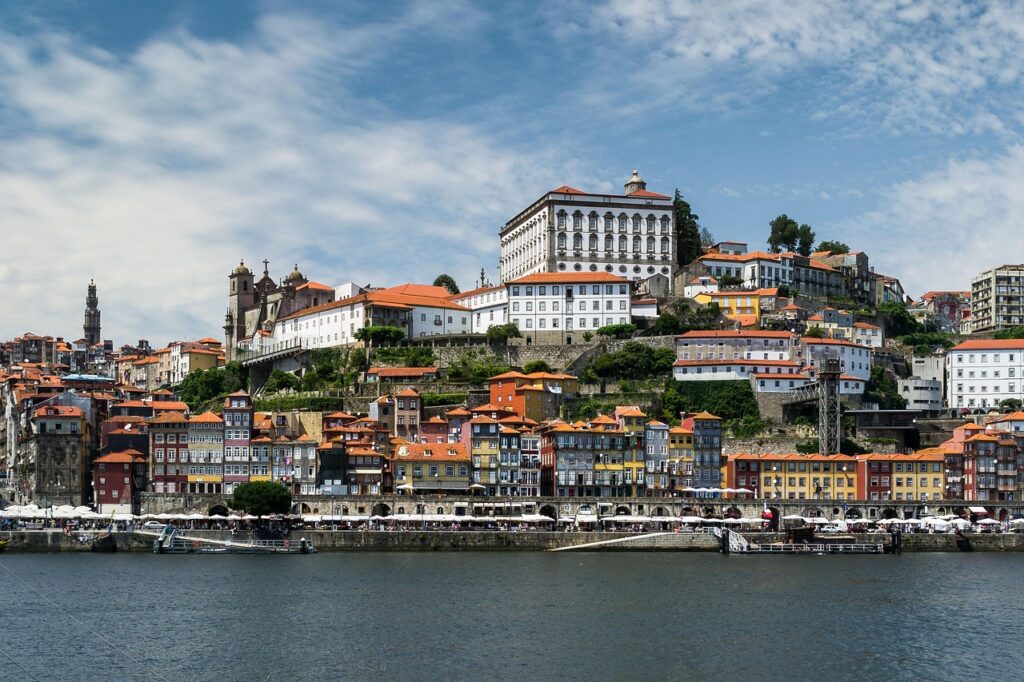
After a museum-filled morning, make your way down to the Ribeira, the emblematic neighborhood on the Douro’s edge. For lunch, pick a restaurant with a view of the boats and colorful facades: the stretch between Cais da Ribeira and the Dom Luís I bridge is full of terraces. Average prices: main courses ≈ €12–25; wines and aperitifs from €3–6 a glass. Book ahead if you want a specific riverside table, especially in high season.
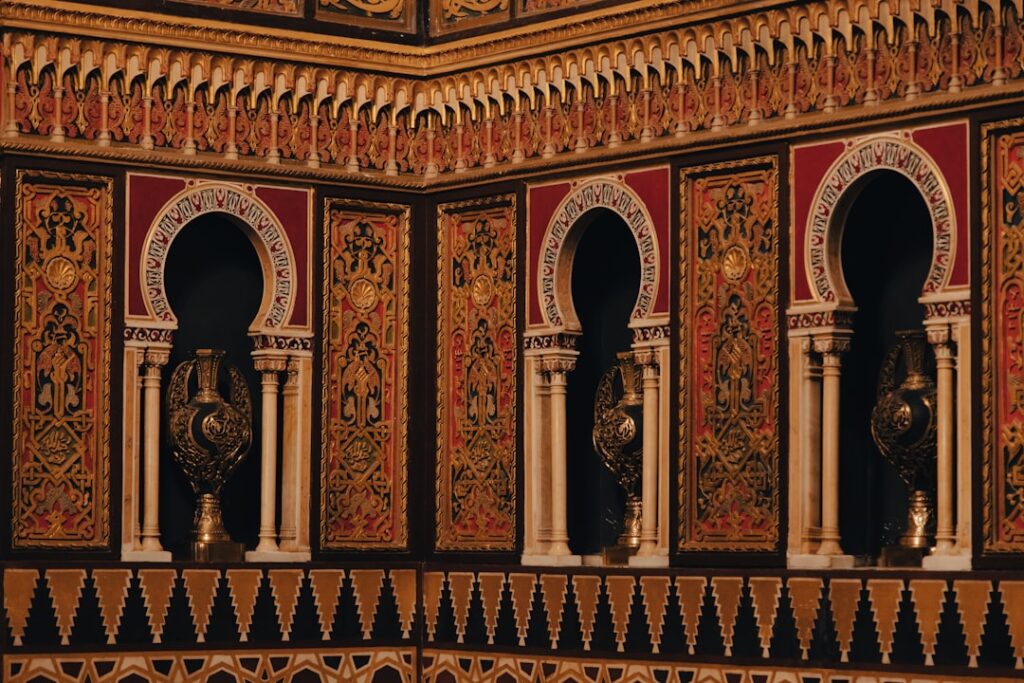
Next, visit the Palácio da Bolsa (Palácio da Bolsa, R. de Ferreira Borges, 4050-253 Porto) — the former stock exchange, famous for its lavish Arab Room (Salão Árabe). Typical hours: guided tours 09:00–18:00; indicative prices: adult ticket ≈ €10.00; reduced ≈ €5.00. Guided tours (often in several languages) are recommended to grasp the symbolism of the décor, the state rooms and Porto’s commercial history. The palace immerses you in the splendor of 19th-century Atlantic commerce and merchant congresses.
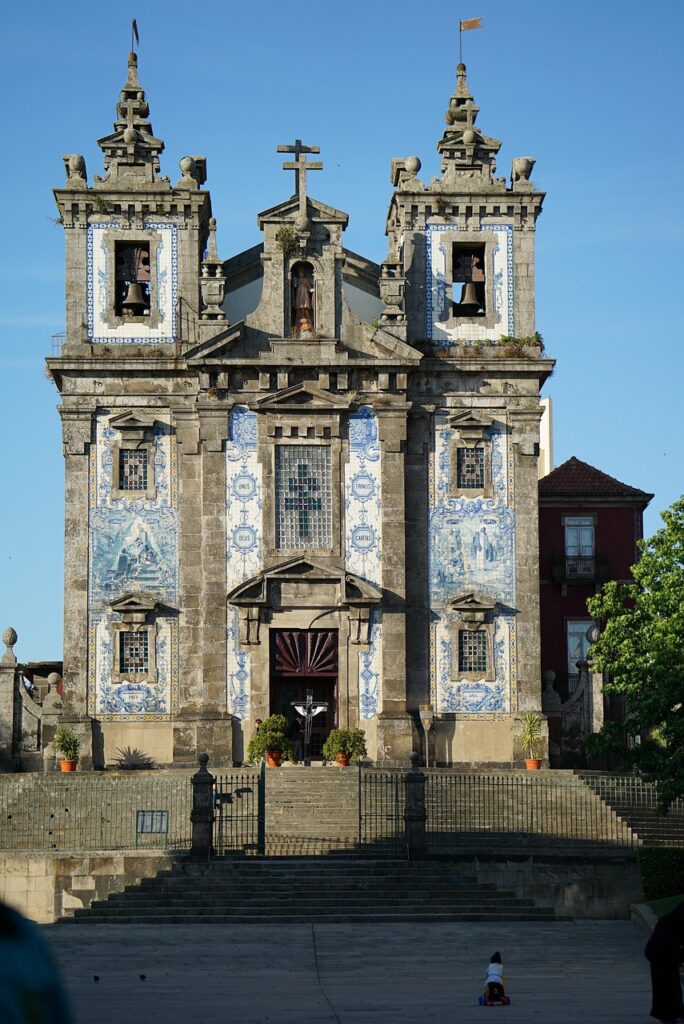
Right next door, Igreja de São Francisco (Largo do Infante D. Henrique, 4050-297 Porto) is worth a visit for its baroque interior covered in talha dourada (gilded woodwork). Typical hours: 09:00–19:00; indicative price: €8.00 to visit the church and museum. Dress code: respectful but casual is acceptable. The golden shine of the chapels, the quality of the carving and the sometimes-overwhelming abundance of gilding create a striking contrast with the more restrained museums from earlier in the day.
Evening — Fado in Porto: Casa da Mariquinhas and tips for a memorable night
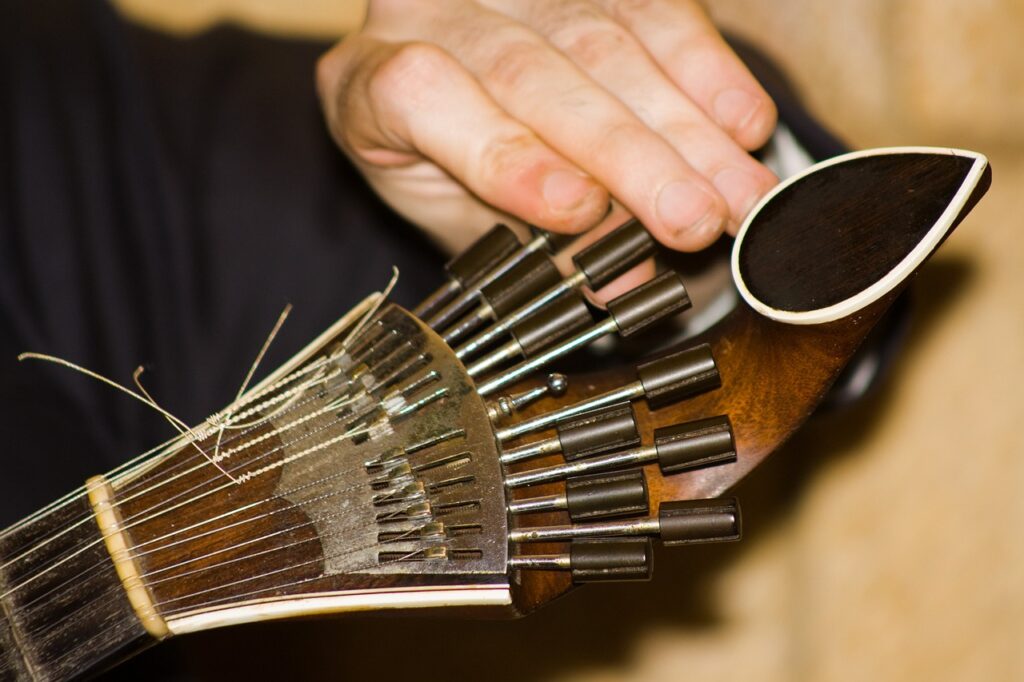
To close the day, experience the sound of fado. In Porto, the fado tradition tends to be hosted in smaller, more intimate houses than in Lisbon. Casa da Mariquinhas (Casa da Mariquinhas, Rua de São Tomé 105, 4050-552 Porto) is a well-known spot for authentic fado evenings. Typical concert times: sets start around 20:30–21:00, ending around 23:00–23:30. Indicative prices: music cover ≈ €12–25 per person (varies by show); menus or additional dishes from €10–30 depending on choice. Reservations are strongly recommended — seating is limited and the atmosphere is intimate.
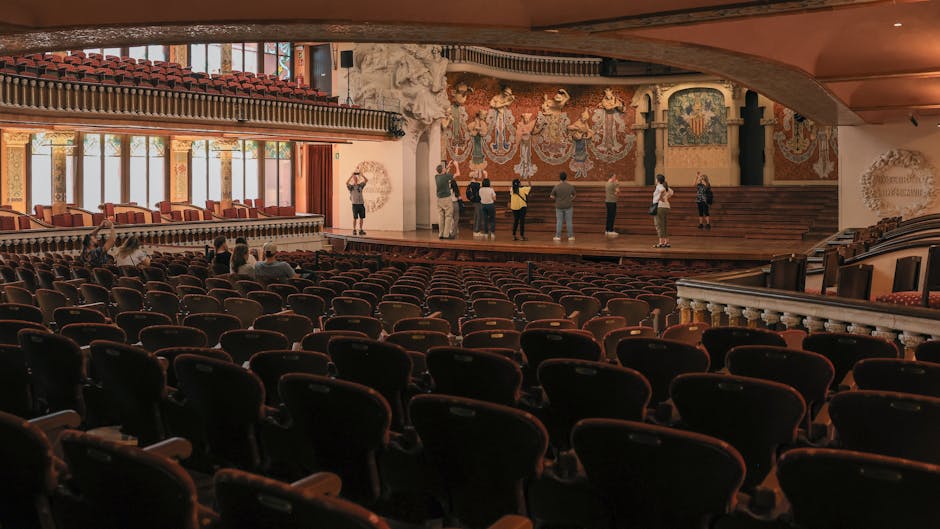
If you prefer a more formal option, check the program at Casa da Música (Casa da Música, Avenida da Boavista 604-610, 4149-071 Porto), which sometimes presents concerts that blend fado, jazz and contemporary music. Times vary by event; tickets start at around €10 depending on the show. Casa da Música’s halls offer excellent acoustics and a high-quality experience if you’re after a more staged presentation.
Tips for a fado evening: arrive early, try to book a table close to the musicians if you want to feel the breath and nuances of the voices; dress smart-casual; avoid prolonged use of flash photography; ask for recommendations of port wine or local wines (Vinho Verde for a lighter meal, a red for richer dishes). Above all, let the texts and melodies carry you: fado is often better understood through emotion than literal translation.
Conclusion — A rich day that will make you want to return
A day between fado and museums in Porto lets you capture the essentials of a multifaceted city: its contemporary art scene at Serralves, its historical collections at Museu Nacional Soares dos Reis, its commercial and religious memory at Palácio da Bolsa and Igreja de São Francisco, and its collective voice through fado nights. This rhythm — a concentrated cultural morning, a heritage-filled afternoon by the Douro, and an intimate musical evening — balances contemplation, learning and emotion.
Keep in mind that every place deserves more time if you can spare it. Museums rotate temporary exhibitions frequently; local guides can enrich a visit to Palácio da Bolsa; and fado houses sometimes host emerging artists whose performances aren’t widely advertised in advance. For the best experience: check official hours and prices the week before your trip, reserve guided tours and your fado evening in advance, and leave a few hours free to wander — Porto often reveals itself when you allow detours from the itinerary.
Ultimately, this day is a gateway: it will make you want to come back to deepen the history, explore Porto’s wine cellars, catch more concerts, and see new exhibitions. Porto tells its story in layers — a day gives you a tasty preview, but the city will keep calling you back. Come again, listen, taste and look: you’ve only just begun to hear its voice.