


Introduction — Getting around Porto in 24 hours: overview and stakes
Porto is a compact, highly photogenic city with an excellent variety of public transport: a modern metro, historic trams and an extensive bus network (STCP). If you only have one day to explore, your choice of transport will shape your experience — speed, local immersion, cost and how easy it is to reach sights. This guide helps you decide between metro, tram and bus for a 24‑hour stay in Porto, providing addresses, opening times, typical fares, immersive descriptions and local tips to make the most of your day.
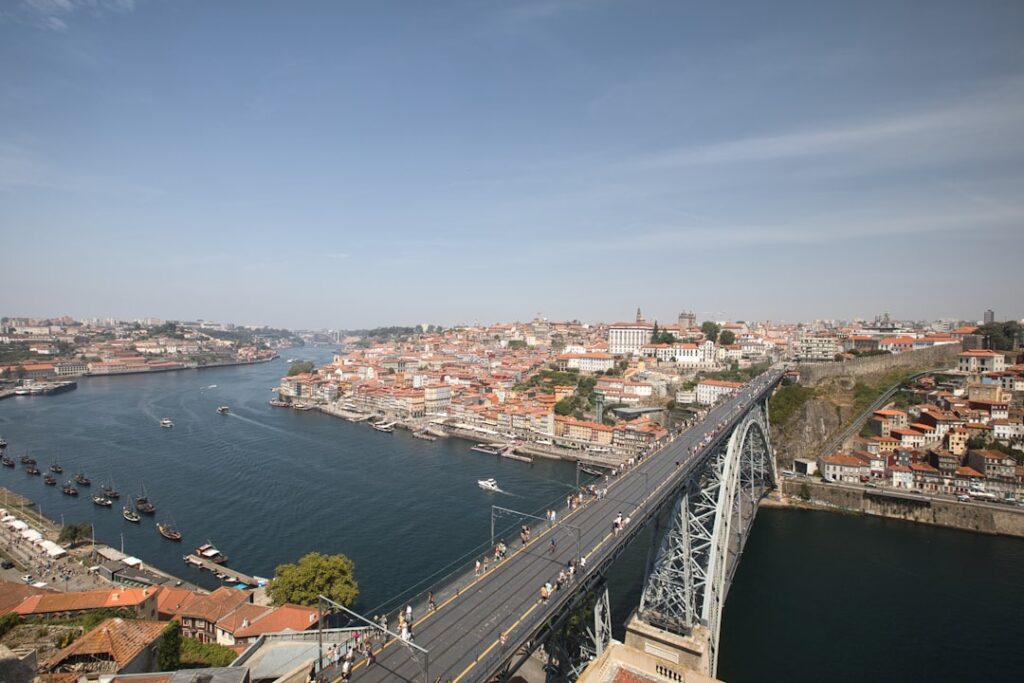
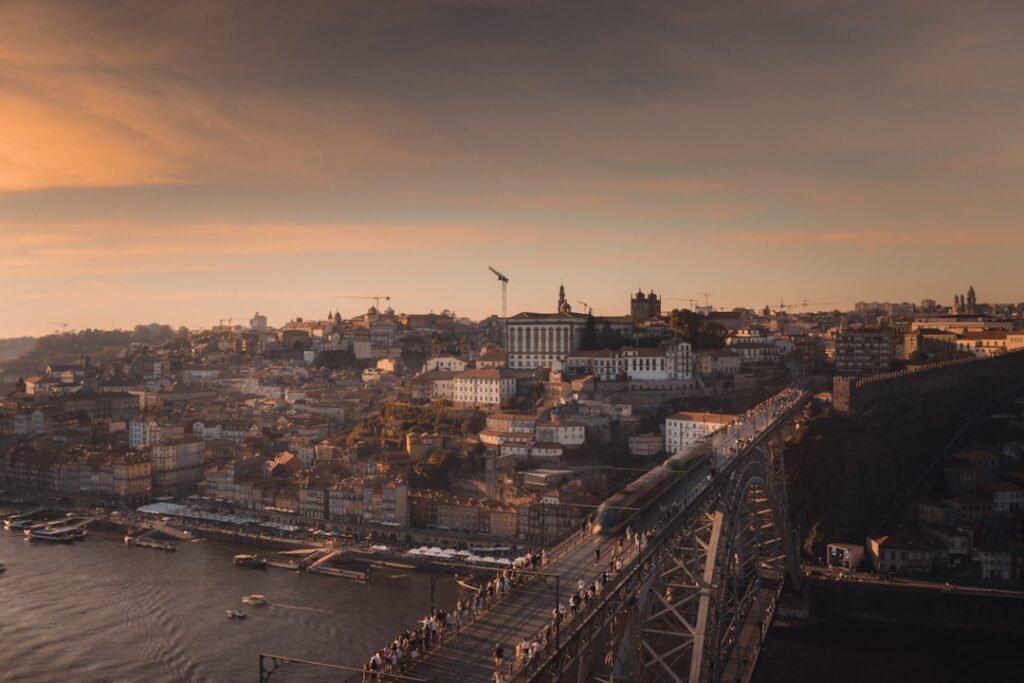
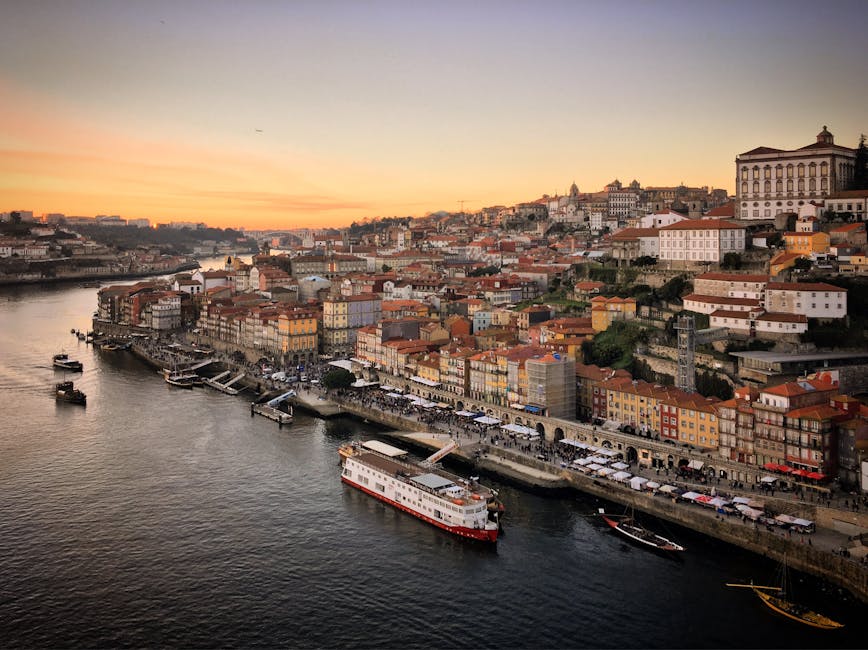
Porto is full of contrasts: medieval neighborhoods like the Ribeira, iconic bridges such as the Ponte Dom Luís I, steep hills and the Douro riverside. The Metro do Porto is perfect for covering long distances quickly — for example linking Francisco Sá Carneiro Airport (Aeroporto do Porto, Avenida da Boavista, 4470-558 Maia) to the city center. The historic trams are slow but incredibly photogenic; tourist lines serve the Ribeira and the Foz do Douro coastline. STCP buses (Sociedade de Transportes Colectivos do Porto) form the fine-grained network that reaches narrow streets, hills and neighborhoods the metro doesn’t serve.
In this guide I give practical details: exact station addresses and depots, fares in euros (typical 2024 prices), approximate opening hours to check before you travel, what the experience on board feels like, and tips for squeezing the most from a 24‑hour visit by combining modes when it makes sense. You’ll also find local hacks — for instance how to avoid long ticket lines, where to buy a rechargeable Andante card, and which lines to favor depending on your route. If you need a fast transfer between the airport and the Ribeira, prioritize speed (metro). If you want a visually rich, heritage-packed day, leave time for a historic tram ride and a walk along the Douro.
Finally, the guide includes concrete references: addresses like Estação de São Bento (Praça de Almeida Garrett 63, 4000-069 Porto), Trindade Metro (Praça da Trindade 56, 4000-380 Porto), Estação de Campanhã (Praça Dom João II, 4300-360 Porto), and useful spots like Andante machines and the main bus stops at Praça da Liberdade (Praça da Liberdade 7, 4000-322 Porto). Example prices: single urban ticket ~€1.20–€2.00; Andante Tour 24h (unlimited pass) ≈ €7.50; historic tram ticket (tourist line) ≈ €3.00–€6.00 depending on the journey. These benchmarks will help you plan your day.
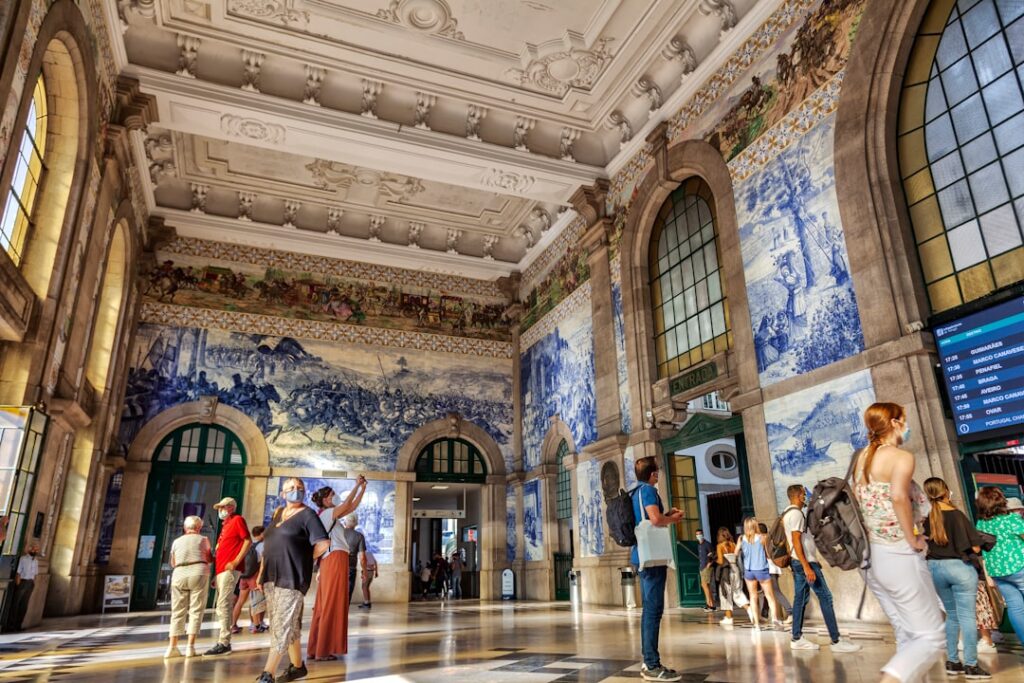
1) Porto Metro: speed, frequency, where to use it in 24 hours
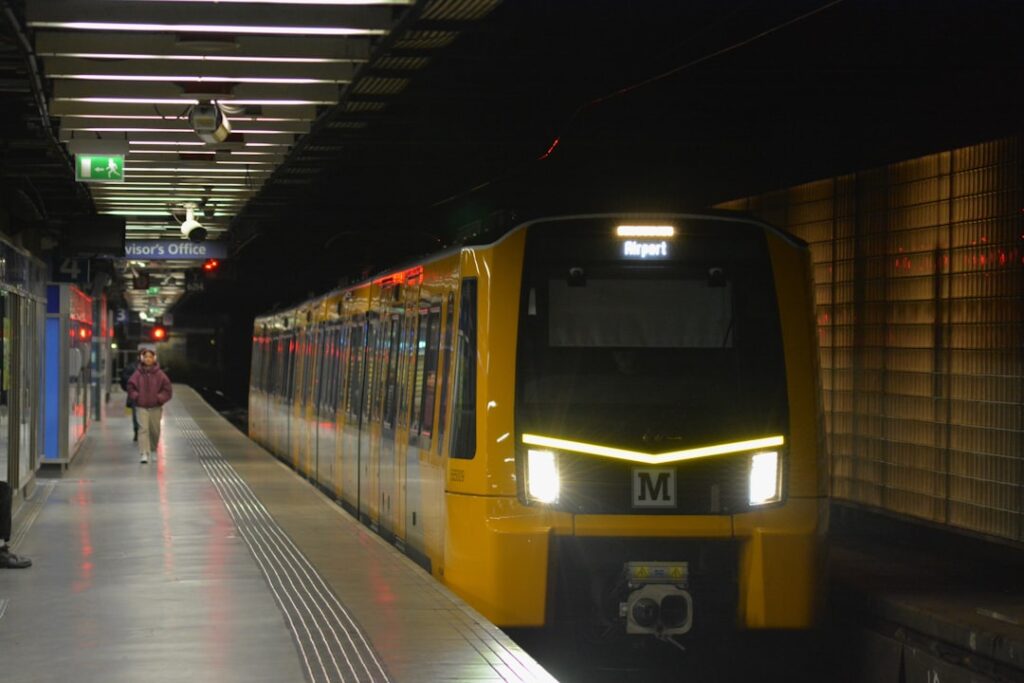
The Metro do Porto is the quickest way to cover distances between the airport, Campanhã station and the city centre. It runs several lines named A (violet), B (red), C (green), D (yellow), E (blue) and F (orange) on the official map. Lines intersect at hubs like Trindade station (Praça da Trindade 56, 4000-380 Porto), the network’s main interchange where you can change lines easily. If you arrive at Francisco Sá Carneiro Airport (Aeroporto do Porto, Terminal de Cargas e Passageiros, Avenida da Boavista, 4470-558 Maia), take line E (blue) toward Estádio do Dragão and get off at Trindade or São Bento to walk to the Ribeira in about 10–15 minutes.
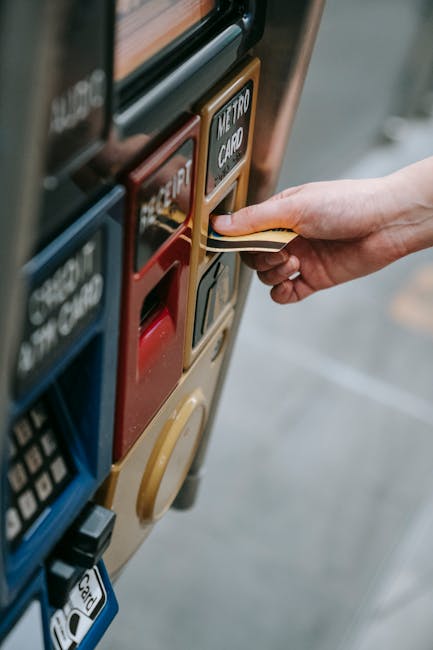
Hours: the metro typically runs between 06:00 and 01:00 (frequency varies: 5–10 minutes during peak hours, 10–20 minutes in the evening). Check exact times on metrodoporto.pt as schedules can change on public holidays. Fares: a single urban trip (central zones, for example Z2) costs roughly €1.20–€1.60 depending on how many zones you cross; a rechargeable Andante card is required to use the metro (initial plastic card costs ≈ €0.60–€1.00) and top‑ups are available at ticket machines. For a tourist day, the most convenient option is the Andante Tour 24h (unlimited pass valid for 24 hours) — indicative price: €7.50. Buy it at metro machines, stations or ticket offices.
Practical points: Trindade station (Praça da Trindade 56) has elevators and escalators, handy if you have luggage. São Bento (Praça de Almeida Garrett 63, 4000-069 Porto) is primarily a railway station but is a 5–10 minute walk from nearby metro stops; Campanhã (Praça Dom João II, 4300-360 Porto) connects to the national rail network (CP) and the metro. If your day includes the coast (Foz do Douro) or Matosinhos for beaches and surf, take lines A/B/C to Matosinhos Sul (station address: Avenida Coronel Raúl Peres 180, 4450-208 Matosinhos) — a fast, frequent journey.
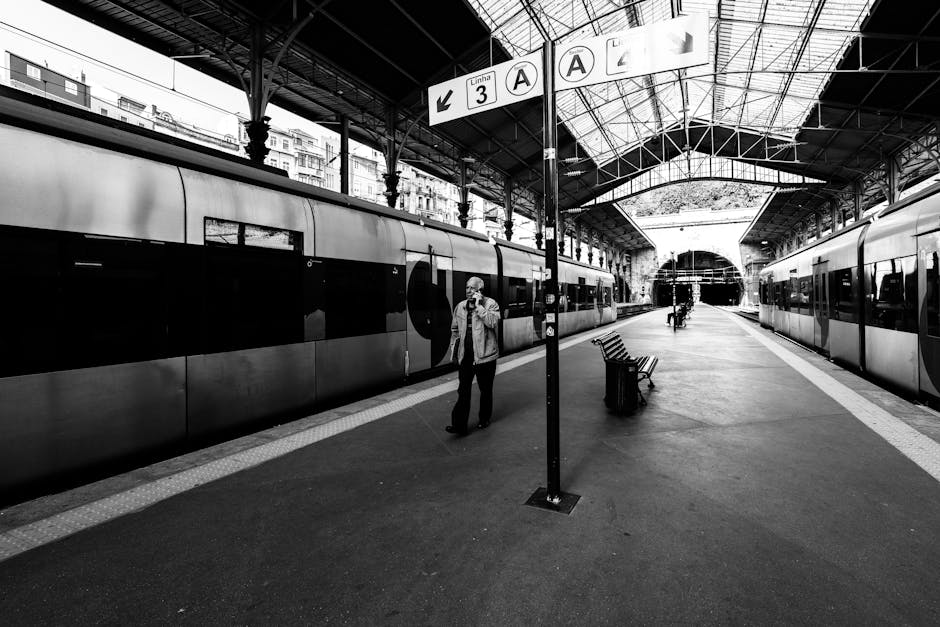
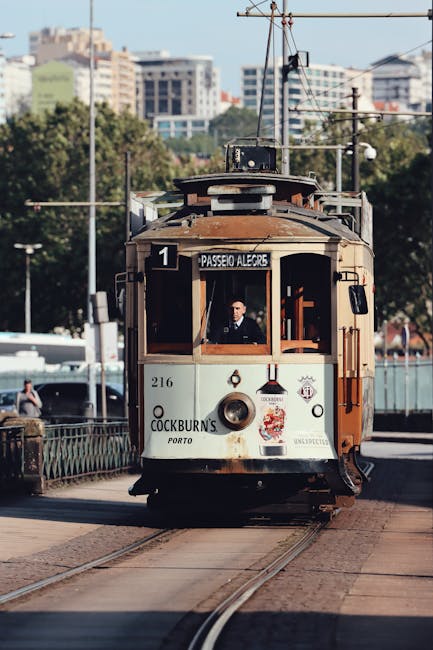
2) Historic trams: immersive experience, lines and fares
Porto’s trams are tourist icons: yellow and cream cars, polished wood interiors and routes that hug the Douro or climb up toward the Foz. The best‑known heritage lines are line 1 (Largo do Passeio Alegre / Foz do Douro to Passeio Alegre), line 18 and occasional special services like line 22 in season. Departures are often close to the Ribeira and Praça da Batalha. A tram ride is a great way to step back in time and reach viewpoints that can be tricky to access on foot.
Hours: historic trams don’t run as frequently as the metro; tourist services typically operate between 09:30 and 18:30/19:00 with a low frequency (for example every 20–40 minutes, depending on season). In high season (spring/summer) services are more frequent and extra departures are sometimes scheduled in the late afternoon for sunsets at the Foz.
Fares: tourist trams often have separate pricing; expect to pay between €3.00 and €6.00 for a short trip (price varies by line and whether you buy on board). Some routes accept the standard Andante card if they’re integrated into the municipal network, but heritage cars run by associations or private concessions may charge separately. A convenient boarding point for Douro‑side trips is Praça de Infante Dom Henrique (near Cais da Ribeira, 4050-297 Porto).
Local tips: use the tram for a slow, highly photogenic experience — not to save time. Allow 1.5–3 hours if you want to combine a tram ride with walking (stopping for coffee, viewpoints, photos on the Ponte Dom Luís I). Watch for crowds in late afternoon and packed cars; arrive early or travel off‑season for more comfort. For an authentic combo, pair a short tram ride with a stroll through the narrow streets of the Bairro da Ribeira and a francesinha at a local café.
3) STCP buses: fine mesh network, night routes, where to board and get off
The STCP bus network (Sociedade de Transportes Colectivos do Porto) covers the whole city and its hills, serving streets the metro doesn’t reach. Main stops are at central squares like Praça da Liberdade (Praça da Liberdade 7, 4000-322 Porto), Avenida dos Aliados and Rua de Santa Catarina. 200s/300s lines connect peripheral neighborhoods, while special services serve hospitals (e.g. Centro Hospitalar São João) and shopping areas.
Hours: most buses run from around 05:30 to 00:30; there are night lines (marked with an “N”) with reduced frequency, sometimes operating until 02:30–04:00 depending on the route. Frequency varies a lot — in the centre expect 10–20 minutes; in the suburbs 30–60 minutes. Check the official STCP app or Google Maps for real‑time schedules.
Fares: a single STCP bus fare usually costs €1.60–€2.00 depending on zone; you can pay cash to the driver (exact change recommended) or use the Andante card where the stop is integrated. For an intensive day the Andante Tour 24h (~€7.50) is often the most economical and practical option. Interurban or tourist buses may be more expensive.
Practical tips: when boarding, show your Andante or pay in cash and always validate on board. When getting on uphill, position yourself near the rear doors to get off quickly into narrow centre streets. If you’re headed to busy spots (Jardins do Palácio de Cristal, Casa da Música) factor in traffic — the bus can be slower than the metro during peak hours. Also locate the nearest stop on your map and allow 10–15 minutes between connections.
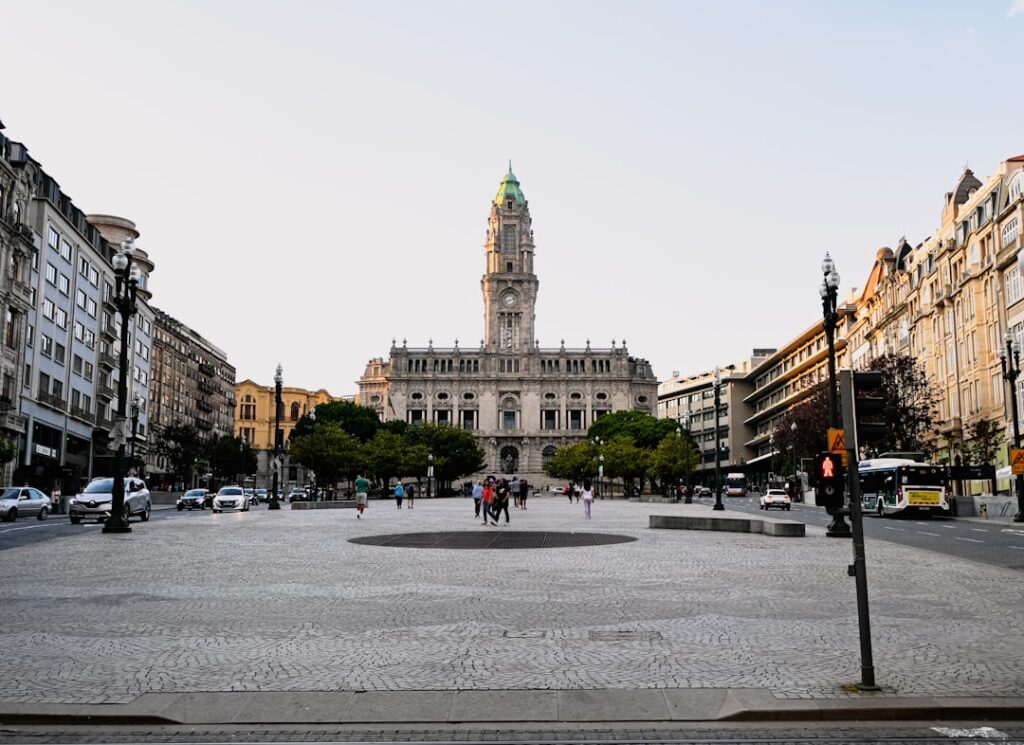
4) Practical strategies for a 24‑hour day: recommended routes and combinations
With only 24 hours, prioritising is key. Here are three sample itineraries depending on your priorities: speed, photos/heritage, or economy and local immersion.
- Speed (airport → Ribeira → Porto Cathedral → Vila Nova de Gaia): take the metro line E at the airport (Aeroporto do Porto, Terminal), change at Trindade (Praça da Trindade 56) and get off at São Bento (Praça de Almeida Garrett 63). Estimated door‑to‑door time ≈ 45–60 minutes. Price: Andante Tour 24h ≈ €7.50 or single ticket ≈ €2.00.
- Photos & heritage: start with a historic tram from Praça de Infante Dom Henrique (Cais da Ribeira 79, 4050-297 Porto) along the Douro, then walk over the Ponte Dom Luís I, cross to Vila Nova de Gaia for a port cellar tour (e.g. Taylor’s Port Lodge, Rua do Choupelo 250, 4400-088 Vila Nova de Gaia), returning by funicular or bus. Plan 4–6 hours. Tram fare ≈ €3–€6; cellar visit ≈ €15–€20 depending on tasting.
- Economy & local immersion: buy an Andante Tour 24h (€7.50) first thing at a metro station, then mix bus and metro to explore Rua de Santa Catarina (Rua de Santa Catarina 101, 4000-450 Porto), Bolhão Market (Rua Formosa 214, 4000-214 Porto), and the Jardins do Palácio de Cristal (R. de Dom Manuel II 27, 4050-346 Porto). Buses will drop you closer to parks and viewpoints.
Final tip: download the Andante app or the STCP/Metro app and keep a paper city map for navigating narrow streets. Pack comfortable shoes — Porto is best explored on foot between stops, with steep climbs and cobbles. To save time, avoid morning rush hour (07:30–09:30) and the late‑afternoon peak (17:00–19:00) for airport shuttles and train connections.
Conclusion — Which option for your 24 hours in Porto?
The choice between metro, tram and bus comes down to your priorities. If saving time between the airport, stations and main attractions is top of the list, pick the metro: fast, frequent and comfortable. The Andante Tour 24h (≈ €7.50) is a smart buy for heavy use over 24 hours. If you want an authentic, highly photogenic experience, the historic tram has an irreplaceable charm, though it’s slow and often charged separately (≈ €3–€6). STCP buses are essential for reaching specific spots, parks and neighborhoods the metro misses, and they offer useful night services for late returns.
In practice, the winning formula for a typical day is usually mixed: metro for long, fast hops (airport ↔ centre, or Matosinhos ↔ centre), tram for a heritage moment along the Douro, and bus to explore peripheral neighborhoods or reach lesser‑served viewpoints. Concrete example: buy an Andante Tour 24h (≈ €7.50) at the Trindade ticket machine (Praça da Trindade 56) when you arrive, take a short tram from Praça de Infante Dom Henrique, stroll the Ribeira, cross the Ponte Dom Luís I, head down to Vila Nova de Gaia for a cellar tour (Taylor’s Port Lodge, Rua do Choupelo 250) and return by metro or bus depending on your timing.
Finally, stick to the schedules: metro 06:00–01:00, tourist trams 09:30–18:30 (varies), buses 05:30–00:30 with night lines. And above all, leave space for the unexpected: a coffee on a terrace, a porto tasting or an unplanned climb to a miradouro can turn a well‑planned day into an unforgettable memory. Safe travels and enjoy discovering Porto!