




Off-the-beaten-path Porto: 10 neighborhoods to explore away from the crowds
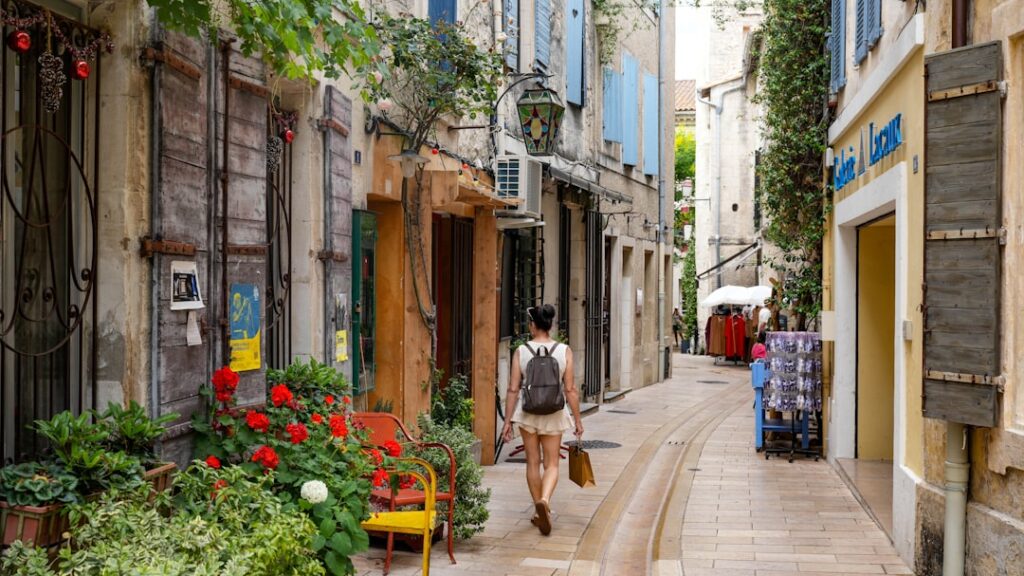
Porto is often summed up by a few spectacular images: the colorful façades of the Ribeira, the Dom Luís I bridge, the cellars of Vila Nova de Gaia and the azulejos at São Bento station. These highlights certainly deserve a visit, but they tell only part of the port city’s soul. Step a few streets away from the most photographed routes and the city reveals a more everyday, creative and often calmer side. Residential neighborhoods, reinvented industrial zones, working-class hills and lesser-known riverbanks offer a much more intimate reading of Porto.
Exploring Porto away from the crowds doesn’t mean giving up its heritage. Quite the opposite: it lets you understand it from a local’s perspective. On Bonfim’s sloping streets, artists’ studios sit next to small family grocers. In Cedofeita, concept stores, galleries and independent cafés animate old buildings with wrought-iron balconies. At Foz do Douro, the Atlantic sets a different pace, while Campanhã — long seen as just a rail hub — is becoming one of the most stimulating areas to witness Porto’s urban changes.
The best way to enjoy these neighborhoods is to mix walking with tram, metro and bus. The reloadable Andante card is handy for getting around: a single urban trip in zone Z2 usually costs 1,40 €, while a 24-hour Z2 pass is normally offered around 4,70 €. Fares can change; check ticket machines at metro stations or the boards of STCP and Metro do Porto. For the steepest areas, bring comfortable shoes: Porto is beautiful, but sometimes you’ll earn it with a few climbs.
This guide focuses on ten neighborhoods and micro-neighborhoods where you can really wander, have a coffee among locals, discover less-expected architecture and support local shops. The times and prices given are practical estimates and may vary with season, holidays or cultural programming. Confirm before your visit, especially for museums, markets and art spaces. The idea isn’t to tick boxes but to take your time: sit on a terrace, watch laundry at the windows, listen to conversations in Portuguese and let Porto reveal itself unfiltered.
 >
>
1. Bonfim: creative, residential Porto east of the center
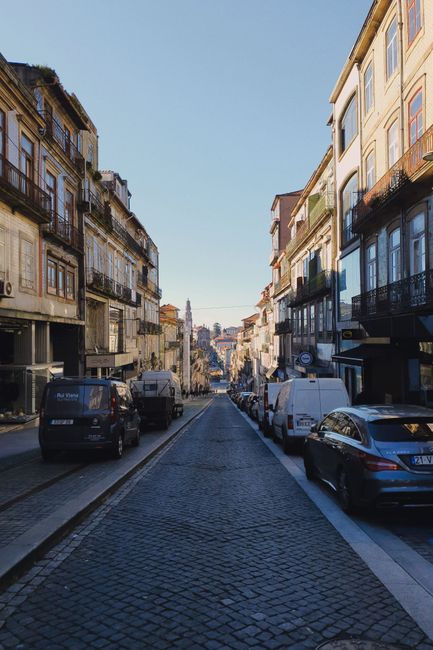
East of the historic center, Bonfim is one of the best neighborhoods to feel the transition between traditional Porto and its contemporary scene. Long popular and residential, it’s now home to specialty cafés, small boutique hotels, design studios and cultural spots, without losing its neighborhood rhythm. Patinated façades, narrow houses and hilly streets compose a very Portuense setting, far from the tourist intensity of the Ribeira.
Start around Rua do Bonfim, then stop by the Mercado do Bolhão if you’re coming from the center, before continuing to Bonfim on foot or by metro. Inside the neighborhood, the Jardim de São Lázaro, Praça Marquês de Pombal, is a small pleasant public garden for a shaded break. Further south, the Coliseu do Porto Ageas, Rua de Passos Manuel 137, recalls the cultural importance of this part of the city, even if its programming also draws visitors from the center.
For a more local experience, head to Combi Coffee Roasters, Rua do Bonfim 208, known for specialty coffee and a relaxed vibe. Expect about 2,50 € à 3,50 € for an espresso or filter coffee, and more for milk-based drinks and light bites. Opening hours are generally daytime, often from 08 h 30 to 18 h 00, with variations by day. Bonfim is especially pleasant in the morning, when residents run errands and the light highlights azulejo details and ironwork.
The neighborhood also hosts interesting lodgings and eateries for travelers who prefer to sleep outside the hyper-center. Take time to wander the side streets around Rua da Alegria and Rua do Heroísmo: you’ll find modest façades, garages, workshops and small cafés where Portuguese still dominates conversations.
- Access : metro, station Campo 24 de Agosto or Heroísmo.
- Local tip : visit between 09 h 00 and 11 h 00, then stroll down calmly toward Campanhã station or the center.
- Bring : a light jacket in winter; streets exposed to the east can be windy.
 >
>
2. Cedofeita: galleries, bookshops and independent cafés
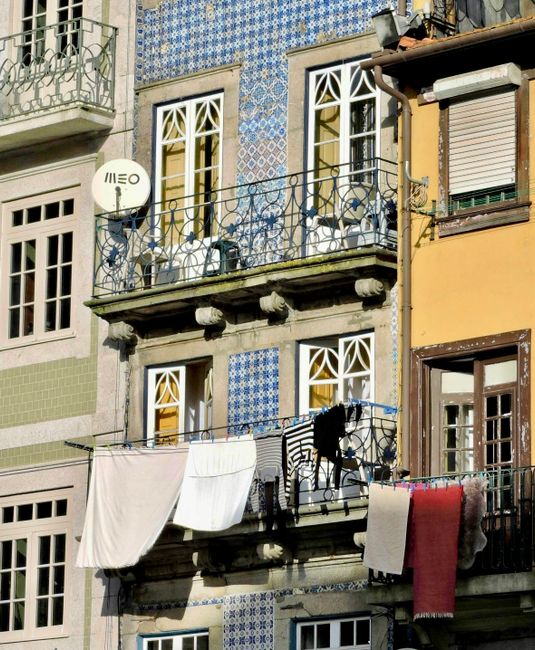
Cedofeita is often mentioned for Rua de Cedofeita, a semi-pedestrian shopping artery, but its charm lies mainly in the side streets, where Porto feels more artistic and less scripted. This central neighborhood is easy to reach, yet you can avoid crowds by favoring morning hours and addresses beyond the big shops. The architecture mixes bourgeois buildings, low houses, designer windows and former workshops turned into new uses.
The Rua de Miguel Bombarda is the heart of the contemporary gallery scene. Collective openings, held several times a year, draw crowds, but outside those dates the street offers a very pleasant cultural stroll. Stop by Galeria Presença, Rua de Miguel Bombarda 570, where entry is usually free during opening hours, often Tuesday to Saturday from 15 h 00 to 19 h 00. It’s wise to check times before you go, as some galleries close between exhibitions.
For a tasty stop, SO Coffee Roasters, Rua do Rosário 22, is loved for specialty coffee and pastries. A cappuccino usually costs around 3,00 € to 4,00 €, while a brunch or light plate can exceed 10,00 €. Typical opening hours are roughly 08 h 30 to 18 h 00. A few steps away, Rua do Rosário and Torrinha offer a string of independent shops, antique dealers and small restaurants.
Cedofeita suits travelers who like to take their time. Don’t stick to the main street: watch for building entrances, patios sometimes invisible from the pavement, old tiles and workshops tucked behind plain shopfronts. In the evening the neighborhood stays lively without the noise of the areas around Galerias de Paris.
- Landmark address: Rua de Miguel Bombarda, 4050-381 Porto.
- Budget: plan 15 € to 25 € for coffee, pastry and a light lunch at an independent spot.
- Local tip: explore the area on a Saturday before noon, then have lunch in the streets around Rua do Rosário.
 >
>
3. Miragaia: ancient alleys and the Douro without the bustle of the Ribeira
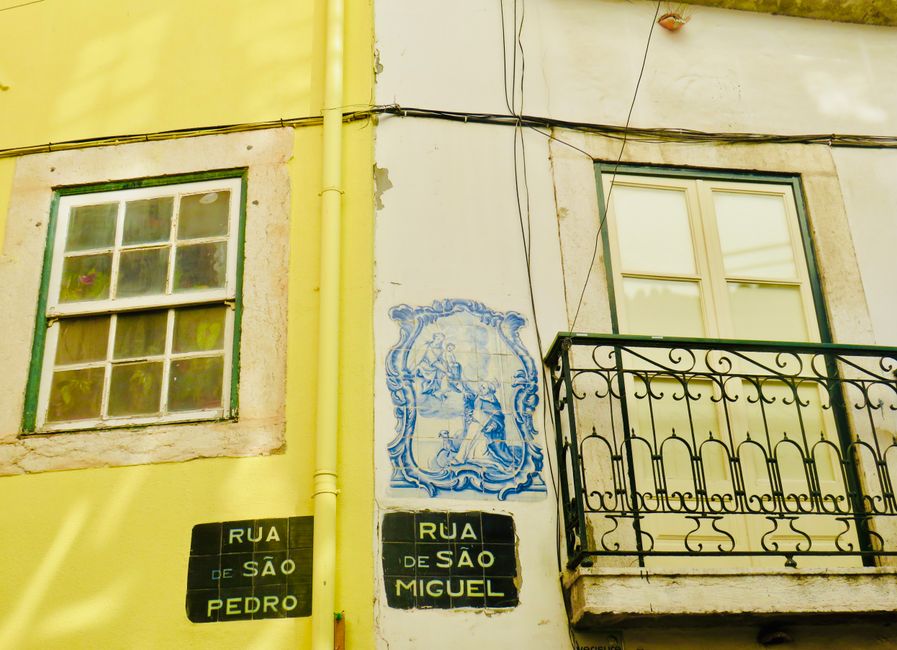
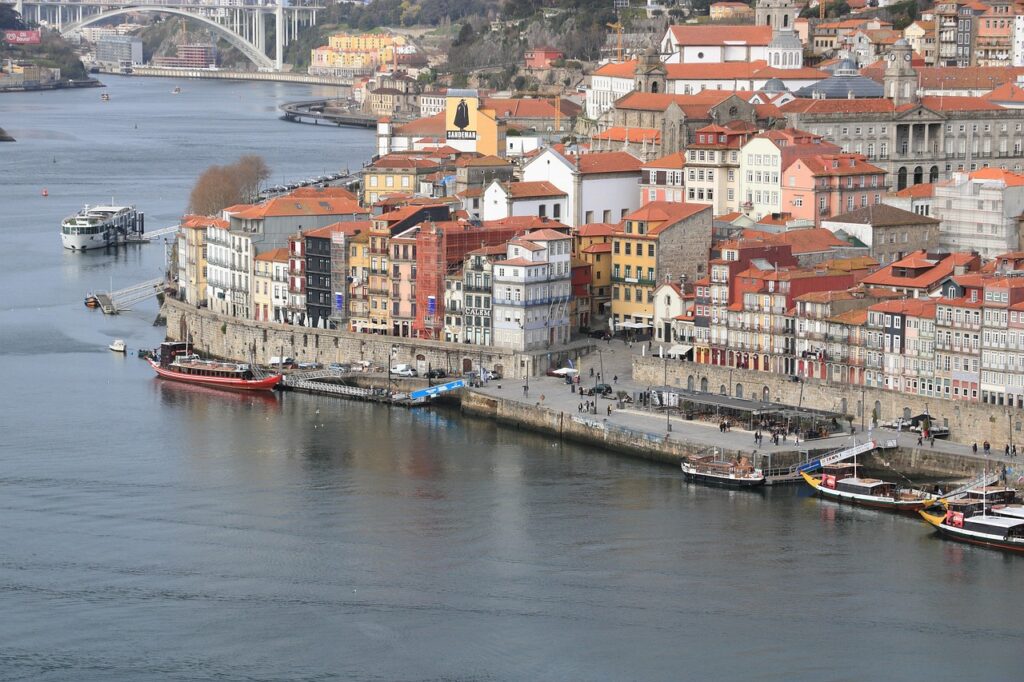
Tucked between the Ribeira, the Douro river and the slopes of Massarelos, Miragaia is one of Porto’s oldest quarters. It keeps a maritime village feel, with narrow lanes, steps, faded-colored houses and stunning views of Vila Nova de Gaia. The walk along the waterfront is much quieter than the Ribeira, especially in the morning or late afternoon.
Start at the Jardim do Passeio Alegre if you arrive from Foz, or reach Miragaia from the center by heading down to Rua da Alfândega. The Alfândega do Porto building, Rua Nova da Alfândega, 4050-430 Porto, is an imposing former customs house that now hosts exhibitions, congresses and events. Prices, opening hours and access conditions vary with programming: some exhibitions are free, others paid. Check the official calendar before visiting.
To see the neighborhood at its most authentic, climb up to Rua da Bandeirinha and the small adjacent streets. You’ll find walls covered in vegetation, steep steps and windows opening onto the river. This area requires caution: the cobbles can be slippery after rain, and some lanes are very steep. The pleasure lies in the slow pace, the detours and the unexpected viewpoints.
Along the Douro, the vibe shifts at sunset. Settle in with a drink bought at a small grocery or choose a tucked-away terrace. Avoid restaurants with overly illustrated menus on the main quay if you’re after a more local experience; walk up a few streets to find simpler, often more sincere places.
- Access: on foot from the Clérigos area in 15 to 25 minutes depending on your pace.
- Best time: between 17 h 00 and 19 h 30 for the sun’s reflections on the Douro.
- Local tip: pair Miragaia with a walk up to Massarelos rather than a quick visit to the Ribeira.
 >
>
4. Massarelos: museums, gardens and old bourgeois residences
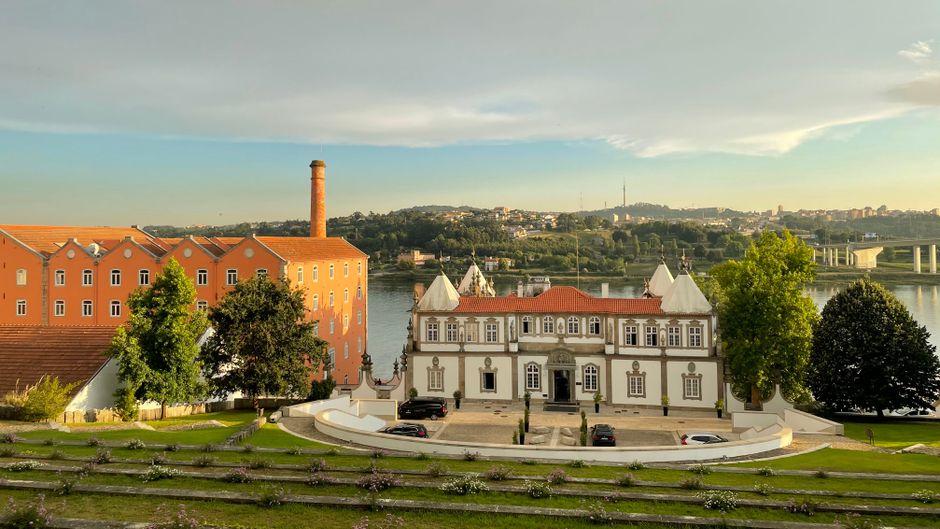
Massarelos is an elegant neighborhood stretched between the city heights and the Douro’s bank. It will appeal to travelers seeking culture, gardens and urban viewpoints. Less compact than Miragaia, it’s suited to a day of walking punctuated by visits. The streets are calmer, the buildings more spacious and the atmosphere distinctly residential.
The local must-see is the Museu Nacional Soares dos Reis, Rua de Dom Manuel II 44, 4050-342 Porto. Housed in the Palácio dos Carrancas, this museum displays sculptures, paintings, furniture and Portuguese decorative arts. The full-price ticket is usually around 5,00 €, with reductions by age, student status and some free-entry conditions. Opening hours are typically Tuesday to Sunday, from 10 h 00 to 18 h 00, with last admission before closing; it’s often closed on Mondays. Always check current conditions before you go.
Nearby, the Jardim do Palácio de Cristal, Rua de Dom Manuel II, 4050-378 Porto, is free and generally open daily, with seasonal hours often between 08 h 00 and 21 h 00 in summer and until around 19 h 00 in winter. It’s one of Porto’s loveliest green spaces: tree-lined paths, peacocks, landscaped terraces and open views over the river. The place is well-known, but its size makes it easy to find a quiet corner, especially away from the main entrance.
For a simple lunch, look for small restaurants around Rua da Restauração or Rua de Dom Manuel II. A Portuguese daily menu including soup, main and a drink can cost between 10,00 € and 16,00 €. Ask for the prato do dia, often better value than a tourist menu. Massarelos is also an excellent area to spot old townhouses and villas hidden behind walls.
- Not to miss: the terraces of Jardim do Palácio de Cristal overlooking the Douro.
- Ideal duration: 3 to 5 hours with museum, garden and lunch break.
- Local tip: bring a snack and settle in the garden on weekdays, away from the busiest areas.
 >
>
5. Foz do Douro: Atlantic elegance at the end of the tram line
Foz do Douro is one of Porto’s most restful faces. Located west where the Douro meets the Atlantic Ocean, this neighborhood mixes old residences, urban beaches, rocky promenades and fish restaurants. It draws locals at the weekend, but its extent makes it easy to escape crowds, especially by walking beyond the areas closest to the tram stops.
The ride on the historic tram line 1 from Infante to Passeio Alegre is a pleasant way to reach the neighborhood. A ticket bought on board usually costs around €6.00 for a one-way; fares can vary. The tram is loved for its charm and its route along the river, but it can be crowded in high season. If you want to avoid queues, take the STCP bus from the city centre instead.
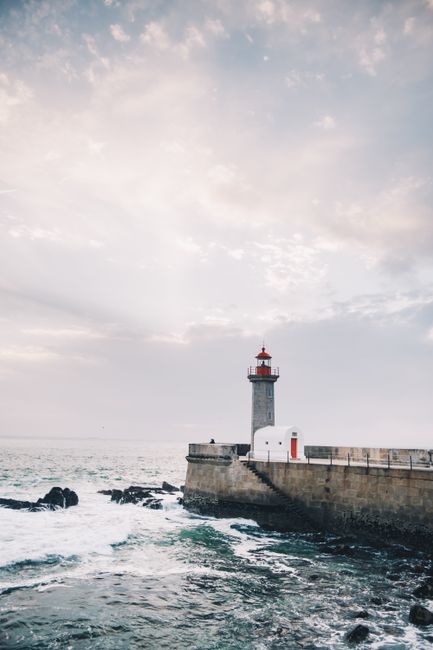
On arrival, check out the Jardim do Passeio Alegre, Rua do Passeio Alegre, 4150-570 Porto. This free public garden is known for its palm trees, geometric paths and two small decorative kiosks. It’s generally open during the day, with hours that change by season. Then head to the Farolim de Felgueiras, Avenida de D. Carlos I, 4150-190 Porto, a small lighthouse on the end of a jetty. In heavy swell, waves slam the breakwaters with spectacular force: keep your distance and respect the safety barriers.
For lunch, favour streets set back from the seafront avenue. Grilled fish dishes often start at around €16.00 to €25.00, depending on the species and the place. A plate of bacalhau à brás or octopus can cost more in seafront restaurants. Foz is especially pleasant late in the day when locals walk their dogs and the Atlantic sky shifts colours.
- Access: historic tram line 1 or bus from central Porto.
- Budget: expect roughly €20 to €35 for a fish lunch with a drink.
- Local tip: walk from Passeio Alegre toward Praia dos Ingleses to enjoy the coast with fewer groups.
 >
>
6. Nevogilde: villas, rocks and discreet promenades to the north
Just north of Foz, Nevogilde is an upscale residential neighbourhood that stays surprisingly low-key in most guides. Here the landscape opens up more: contemporary villas, hidden gardens, stone walls and long coastal walks. It’s a good choice for travellers who want to see a wealthier, more maritime side of Porto without the constant buzz of the city centre.
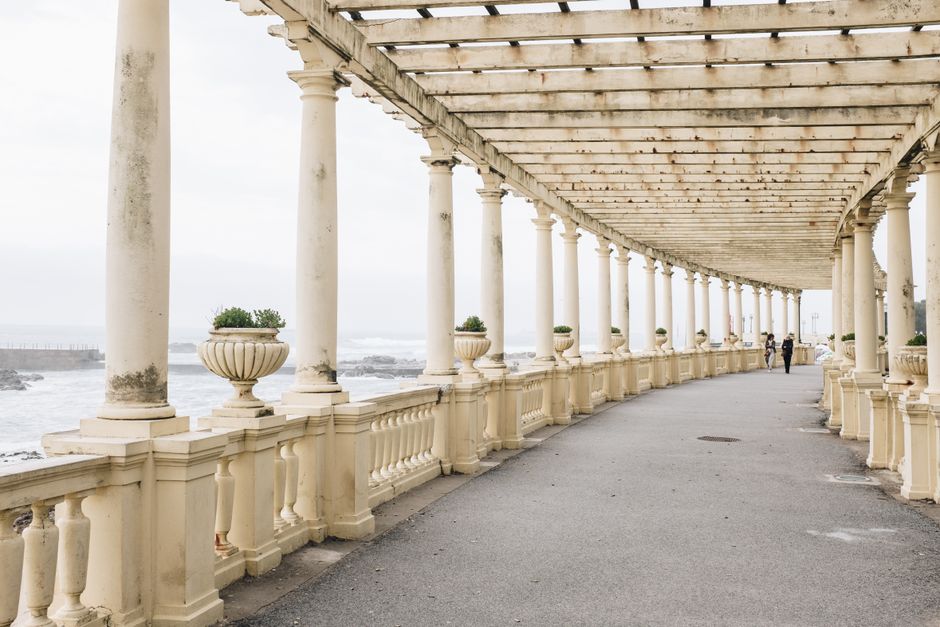
The area’s main natural draw is the Pérgola da Foz, Avenida do Brasil 694, 4150-153 Porto. This elegant white structure runs along the waterfront and makes a very photogenic setting, especially early in the morning. Access is free and the promenade is open continuously. Continue to Praia do Homem do Leme, Avenida do Brasil, 4150-153 Porto, an urban beach supervised during the bathing season. Swimming depends on sea conditions and the flags posted by lifeguards; Atlantic water stays cool even in summer.
Nevogilde isn’t visited as a monuments district. It’s a place to breathe. Take time to walk the seaside pavement, watch the fishermen, beginner surfers and families settled on the rocks. Waterfront cafés are pricier than in Bonfim or Campanhã: often expect €3.00 to €5.00 for a crafted coffee or juice, and €8.00 to €15.00 for a full snack.
The light is especially beautiful at golden hour, but the wind can be strong. Even in summer, bring an extra layer. For a peaceful experience, avoid sunny Sunday afternoons when the Portuenses naturally flock to the seafront.
- Reference address: Avenida do Brasil, 4150-153 Porto.
- Price: free access to the promenade, the Pérgola da Foz and the beaches.
- Local tip: come before 10:00 to photograph the Pérgola in soft light with few people around.
 >
>
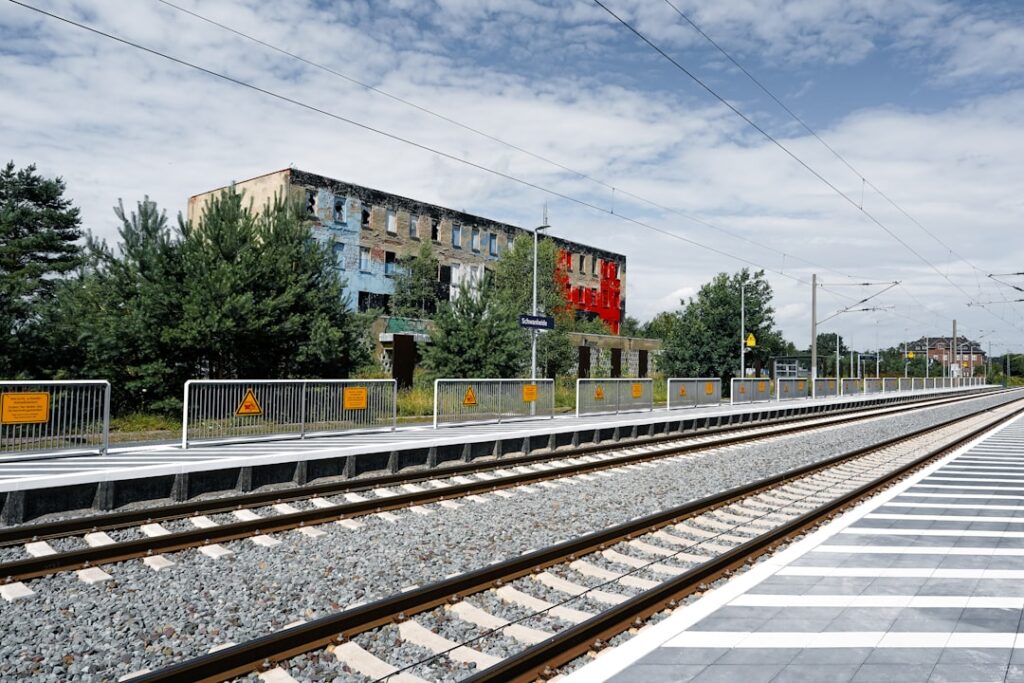
7. Campanhã: Porto’s railway district in transformation
Campanhã is often passed through without being explored. Its station is nonetheless one of Porto’s main entry points, especially for travellers arriving by train from Lisbon. The neighbourhood was long linked to industry, warehouses and a working-class population. Today it’s undergoing gradual change, with new urban projects, accommodation, creative spaces and direct access to greener areas along the Douro.
The Estação de Campanhã, Largo da Estação, 4300-173 Porto, deserves a few minutes of attention. It’s less ornate than São Bento, but much more representative of functional, contemporary Porto. Around the station, don’t search for a postcard district: look instead for signs of everyday life, transient cafés, modest shops and the railway lines that structure the city.
For an original experience, head to the Parque Oriental da Cidade do Porto, Estrada Interior da Circunvalação, 4300-000 Porto. This large urban park is free and open every day, usually from sunrise to sunset. It consists of meadows, paths, wetlands and lesser-known viewpoints over the east of the city. It’s an ideal spot to escape the stone-built centre, picnic or walk without an agenda.
Campanhã is also an excellent starting point to follow the Douro’s banks eastward, where tourist boats become sparse. Wear suitable shoes: some stretches are uneven and pedestrian connections aren’t always obvious. Explore this area by day and keep the usual attention to your belongings, as with any big city near stations and transport hubs.
- Access: metro, regional and national trains, urban buses at Estação de Campanhã.
- Price: free entry to the Parque Oriental da Cidade do Porto.
- Local tip : buy picnic supplies near the station and head to the park in the early afternoon.
 >
>
8. Marquês and Paranhos: neighborhood cafés and university Porto
Around the Praça do Marquês de Pombal and the wide Paranhos area, Porto feels more residential, more student-driven and much less touristy. These northern-central neighborhoods let you discover a city that’s active year-round, with bakeries, small canteens, pharmacies, residential blocks and very Portuguese avenues. They’re ideal for travelers staying several days who want to get off the main tourist strip.
Praça do Marquês de Pombal, 4000-390 Porto, is a lively garden roundabout where several streets meet. The metro Marquês makes getting around easy, and you can walk to Rua de Santa Catarina or Bonfim. Then head toward Paranhos, home to several faculties and university hospitals. The vibe is more functional than picturesque, but that’s exactly what makes it an interesting immersion.
For a simple tasty break, look for a traditional confeitaria rather than a visitor-focused café. An espresso, called a cimbalino in Porto, often costs between 0,80 € and 1,20 €. A classic Portuguese pastry like a pastel de nata is usually around 1,20 € to 1,80 €. In the morning many bakeries open as early as 07 h 00 or 08 h 00, making this a great neighborhood to start the day like a local.
Paranhos also reveals Porto’s less monumental side: 1950s–1980s façades, small houses behind the avenues, community gardens and local shops. For a greener stroll, you can gradually reach the edges of the Parque da Quinta do Covelo, Rua de Faria Guimarães, 4200-289 Porto, a free public garden usually open during the day. Its family atmosphere contrasts with the grand perspectives of Avenida dos Aliados.
- Access : metro, Marquês station, then bus or walk to Paranhos.
- Budget : a full local breakfast possible for 4 € to 7 €.
- Local tip : go into cafés where the counters are full of regulars and simply order a coffee and a pastry.
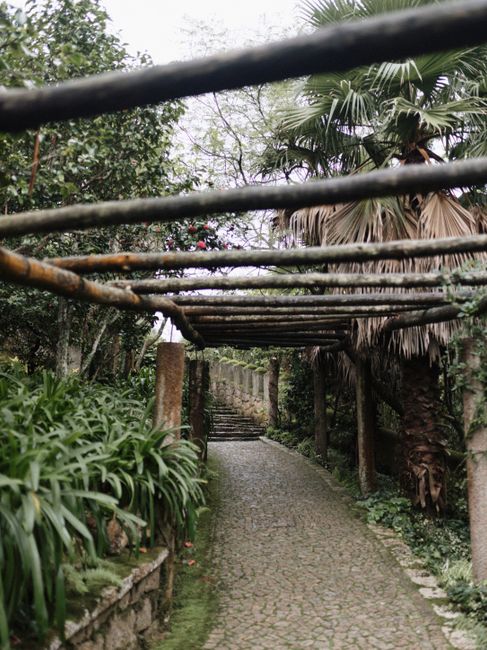
9. Lordelo do Ouro: gardens, embassies and peaceful riverbanks
Lordelo do Ouro spreads over Porto’s western slopes, between Boavista, Massarelos and the Douro. It’s a green, sometimes elegant residential neighborhood with embassies, old houses, schools and discreet gardens. It lacks the tourist density of the center but offers excellent walking, especially for those who enjoy architecture and green spaces.
The highlight is the Jardim Botânico do Porto, Rua do Campo Alegre 1191, 4150-181 Porto. The gardens belong to the University of Porto and provide a lovely botanical escape: plant collections, shaded paths, small ponds and an almost secretive atmosphere. Entry is usually free, though some activities or museum spaces may have separate terms. Opening hours vary by season, often around 09 h 00 to 18 h 00 or 19 h 00. Check them before you go.
Nearby, the Casa das Artes, Rua Ruben A 210, 4150-639 Porto, sometimes hosts exhibitions, screenings and cultural events. Its program changes regularly; some events are free, others have variable fees. Even without an event, the streets around Campo Alegre are worth the walk for their trees, villas and calm. It’s a good area to slow down after several days climbing the steep streets of the center.
Lordelo do Ouro is also close to the Boavista axis, but avoid sticking only to the big avenues. The small parallel streets reveal a quieter Porto. For lunch, look for set menus in restaurants frequented by office workers and residents: expect roughly 12 € to 18 € for a simple meal with a drink.
- Must-see address : Jardim Botânico do Porto, Rua do Campo Alegre 1191, 4150-181 Porto.
- Price : gardens usually free; cultural events subject to program fees.
- Local tip : combine the visit with a walk down to the Douro banks at Massarelos.
 >
>
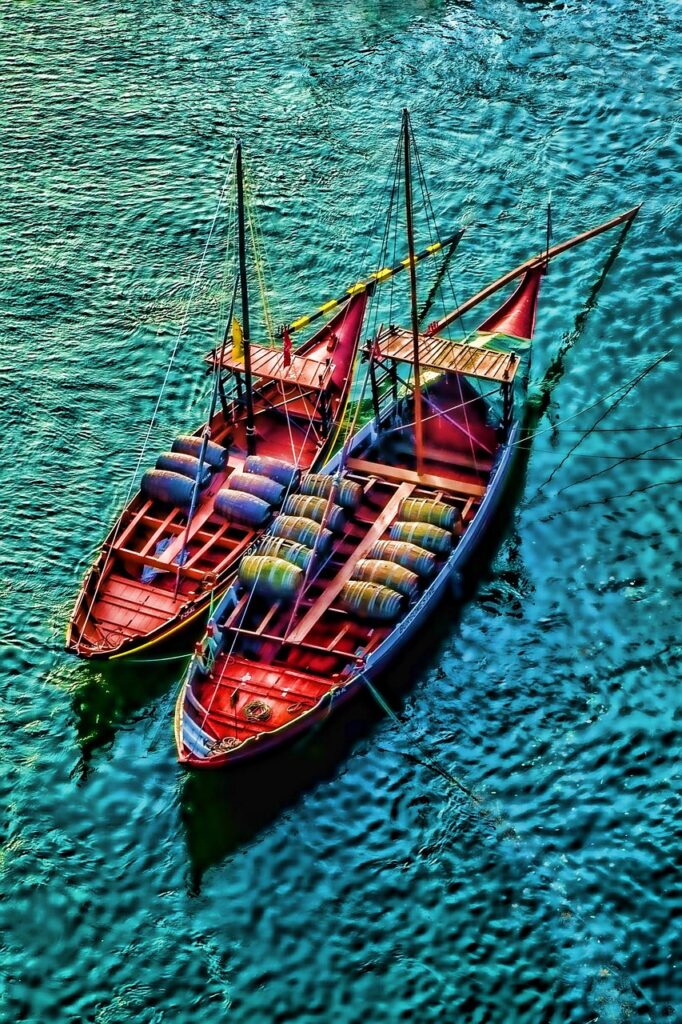
10. Afurada: the fishing village opposite Porto
Although administratively in Vila Nova de Gaia on the other side of the Douro, Afurada is very much part of Porto’s metropolitan experience and deserves a spot on an off-the-beaten-path itinerary. This former fishing village keeps a strong identity, with narrow lanes, low houses, boats, nets and the smell of grilled fish. It strongly contrasts with Gaia’s busy wine cellars and the Ribeira riverfront.
The neighborhood center is organized around Rua da Praia and Afurada’s fishing port, 4400-665 Vila Nova de Gaia. From Porto you can reach the area by bus, bike or by crossing into Gaia and following the riverbanks west. Transport times depend on the line; expect it to take longer than a trip to Gaia’s cellars. That slight distance is exactly what preserves the place’s atmosphere.
The Mercado da Afurada, Rua da Praia, 4400-665 Vila Nova de Gaia, is one of the best spots to watch the local fish and fresh produce supply. Hours vary, but mornings are most interesting, often between 08 h 00 and 13 h 00. Entry is free. For a meal, the neighborhood’s fish restaurants usually serve sardines, sea bream, bass, octopus or grilled calamari. Depending on the fish and season, expect about 15 € to 28 € per person for a main course, excluding drinks.
Afurada requires a respectful approach: it’s not a set designed for visitors but a living, working neighborhood. Don’t photograph people without permission, avoid blocking doorways with your group, and favor local shops over branded chains. After your meal, walk along the river to view Porto from the opposite bank: the bridge and hill silhouettes feel calmer there, almost domestic.
- Reference address : Mercado da Afurada, Rua da Praia, 4400-665 Vila Nova de Gaia.
- Best times : mornings for the market, between 12:30 and 14:30 for the grills.
- Local tip : pick the fish of the day and ask if it’s sold by weight before ordering.
 >
>
Conclusion: take the time to meet a more genuine Porto
Discovering Porto off the beaten path isn’t about avoiding famous monuments: it’s about giving them context. After admiring São Bento station or crossing the Dom Luís I bridge, neighborhoods like Bonfim, Cedofeita, Miragaia, Massarelos, Foz, Nevogilde, Campanhã, Paranhos, Lordelo do Ouro and Afurada show how the city really lives. They reveal the contrasts that make Porto’s character: dark stone and a luminous Atlantic, popular traditions and contemporary galleries, old infrastructure and new urban uses, a busy river and quiet banks.
To enjoy this route fully, don’t try to visit all ten neighborhoods in two days. Ideally choose two or three per day based on proximity and your energy. For example, pair Bonfim with Campanhã, Miragaia with Massarelos, or Foz with Nevogilde. Cedofeita and Lordelo do Ouro combine easily with a walk from the center, while Afurada almost deserves a separate excursion—especially if you want to lunch at a local fish spot.
Also leave room for the unexpected. In Porto, the best discoveries often come from a side street stumbled upon by chance, a café where you’re served a cimbalino at the counter, an empty garden after the rain, or a chat with a shopkeeper. Respect residents, favor independent businesses, use public transport and adapt your pace to the city’s hills. Exploring these neighborhoods with curiosity and slowness will leave you not just with great photos, but with a deeper impression: that you’ve met a lively, diverse Porto far richer than its postcards.