




Porto weather: understanding the climate before packing your suitcase
Porto, a major city in northern Portugal, charms with its azulejo-covered facades, Port wine cellars, steep alleyways and shifting light reflecting on the Douro River. Yet Porto’s climate often surprises travelers who picture Portugal as uniformly warm, dry and Mediterranean. The city actually has a more Atlantic character than Lisbon or the Algarve: winters are mild but wet, spring can be bright yet unstable, summers are generally pleasant without the southern extreme heat, and autumn stays mild for a long time before becoming progressively rainy.
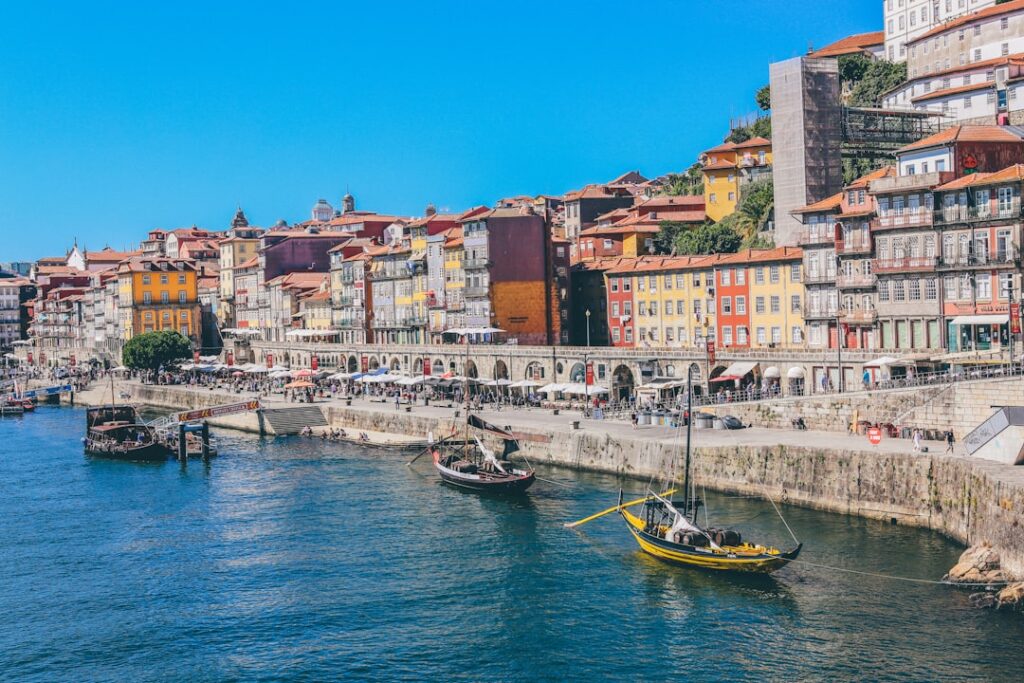
Situated at the mouth of the Douro, close to the Atlantic Ocean, Porto experiences rapid weather changes. A cool, overcast morning can turn into a sunny afternoon and then a rain shower driven by the wind. This affects how you should dress. In the UNESCO-listed old town, around the Ribeira, cobbled streets, stairways and wind-exposed quays call for comfortable shoes and a rainproof outer layer. On the Dom Luís I bridge, between Porto and Vila Nova de Gaia, gusts can feel cooler than the reported temperature.
To plan a successful trip, think by season but also by activities. A visitor intending to explore the galleries of the Museu Nacional Soares dos Reis, Rua de Dom Manuel II, 56, 4050-378 Porto, open Tuesday to Sunday from 10:00 to 18:00, should pack more urban, lightweight clothes than someone walking out to the Foz do Douro waterfront. Likewise, touring the Cálem cellars, Avenida Diogo Leite, 344, 4400-111 Vila Nova de Gaia, typically offered with tastings from around €22 depending on the package, mainly requires a warm layer: the cellars stay cool year-round.
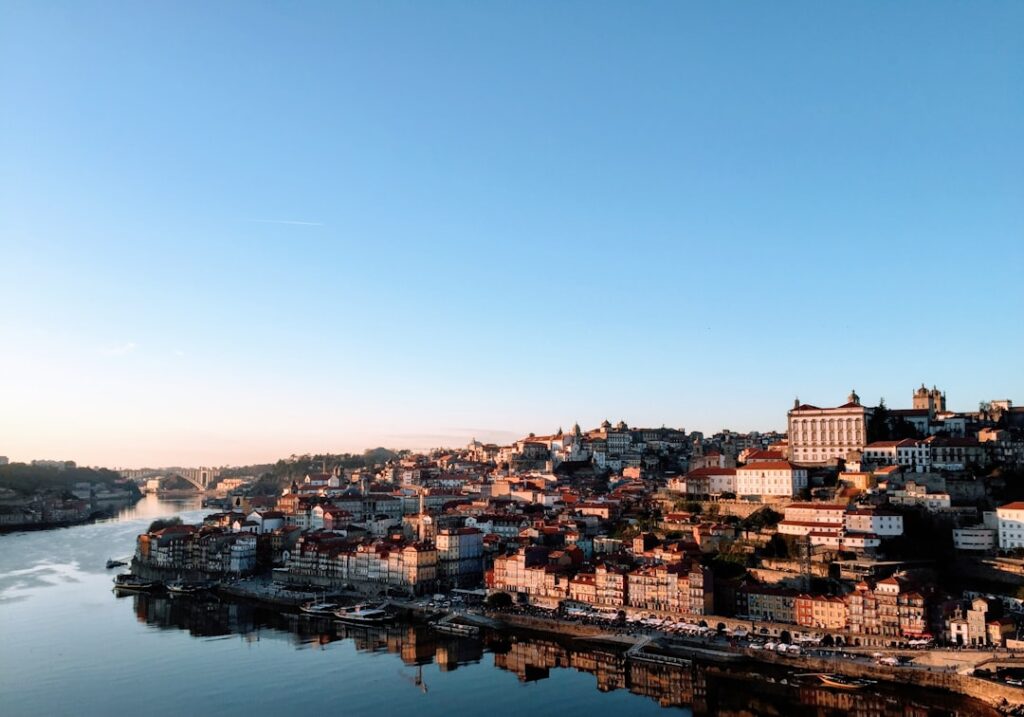
Porto is visitable year-round, but each season has its own atmosphere. Summer attracts travelers looking for terraces, Douro cruises and urban beaches. Spring highlights blooming gardens and city viewpoints. Autumn is ideal for food, wine and museum lovers, often with gentler prices than peak season. Winter reveals a more intimate Porto, wrapped in grey light, sea mist and the scent of roasted coffee.
This guide breaks down Porto’s climate month by month, expected temperatures, suitable activities and the ideal packing list for each season. Weather data are averages: check forecasts shortly before departure. Still, with a well-chosen waterproof jacket, layered clothing and good shoes, Porto is welcoming, photogenic and comfortable no matter when you travel.
Porto’s month-by-month climate: temperatures, rain and light
Porto enjoys a temperate, ocean-influenced climate. Temperatures rarely reach extremes, but humidity and wind can strongly affect perceived comfort. From January to March, daytime highs are usually between 13 °C and 17 °C, while nights can fall to around 6 °C to 9 °C. January is generally the wettest month: rain is frequent but often falls as showers with sunny breaks. February stays cool with possible bright days, and March marks the transition to spring without guaranteeing stable weather.
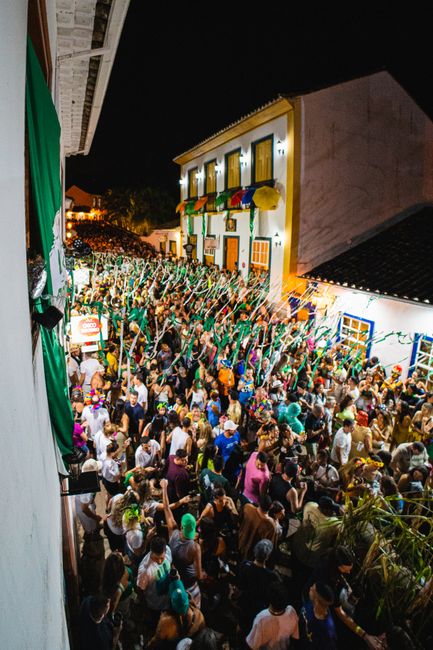
In April, Porto starts to green noticeably. Temperatures typically range from about 10 °C in the morning to 18 °C in the afternoon. The weather remains changeable, but long walks become very pleasant when the sun comes out. May is often one of the most attractive months to discover the city: highs frequently sit between 19 °C and 22 °C, gardens bloom and evenings stay cool. In June, temperatures can reach 24 °C to 26 °C, with long dry spells. It’s also the month of the famous Festa de São João, celebrated on the night of June 23–24 in popular neighborhoods and along the Douro banks.
The months of July and August are the warmest and driest. Daytime temperatures often hover around 25 °C to 28 °C, but Porto can see hotter episodes, especially when winds come from inland. The Atlantic’s presence limits the intensity of heat, particularly at Foz do Douro and nearby beaches. In the evening, a light sweater is often useful, especially for dinners on the Ribeira quays or a stroll near Praia do Molhe, Avenida do Brasil, 4150-154 Porto.
September is one of the year’s best compromises: the sea stays relatively warm, temperatures remain pleasant—often between 20 °C and 25 °C—and tourist numbers begin to decline. October can still offer lovely days around 20 °C, but rainy episodes increase. In November, humidity becomes more present, with highs near 16 °C to 18 °C. Finally, December is mild compared with many Western European cities, but can be grey, windy and very humid, with temperatures around 9 °C to 15 °C.
- January : 6 °C to 13 °C; cool, wet and quiet month.
- February : 7 °C to 14 °C; frequent showers, first bright days.
- March: 8 °C to 17 °C; changeable weather, gradual blooming.
- April: 10 °C to 18 °C; mix of sun, wind and rain.
- May: 12 °C to 22 °C; excellent month for walking and sightseeing.
- June: 15 °C to 25 °C; long days, festive atmosphere and dry weather.
- July: 17 °C to 27 °C; warm without being stifling, high visitor numbers.
- August: 17 °C to 28 °C; hot and sunny, ideal for the coast.
- September: 16 °C to 25 °C; mild, golden light, good balance.
- October: 13 °C to 21 °C; mild autumn, gradual return of rain.
- November: 10 °C to 17 °C; noticeably humid, quieter tourism.
- December: 8 °C to 15 °C; mild but rainy, seasonal atmosphere.
Spring in Porto: a flexible suitcase for March, April and May
Spring is a particularly recommended time for a first visit to Porto. Between March and May the city wakes up without the July–August crowds. The hills, gardens and terraces regain their colors, though the Atlantic often reminds you it’s close with a sudden shower or cool breeze. The golden rule for this season: pack layerable pieces rather than an exclusively lightweight wardrobe.
For daytime, comfortable trousers, a cotton t‑shirt or shirt, a light sweater and a waterproof jacket make a solid base. A hooded windbreaker is often more practical than an umbrella, especially in the narrow streets of the historic center and on the Dom Luís I bridge walkways. Portuguese cobbles can be slippery after rain; choose trainers with grippy soles or urban walking shoes. Open sandals are usually not the best option if you plan to stroll Rua das Flores, Rua de Santa Catarina and the many slopes down to the Ribeira.
Spring is ideal for exploring the gardens of the Palácio de Cristal, Rua de Dom Manuel II, 4050-378 Porto. The gardens are free daily; hours vary by season but often open around 08:00–09:00 and close between 18:00 and 21:00. From the lawns and terraces, views over the Douro, Vila Nova de Gaia and Porto’s rooftops are particularly photogenic when light breaks through the clouds. For this visit bring a small water bottle, sunglasses and a warm layer for shaded spots.
In April and May temperatures also allow a trip to Foz do Douro on the historic line 1 tram, from Infante near the Ribeira to Passeio Alegre. A single onboard ticket usually costs about €6; schedules change with the season and should be checked with the STCP. Even with sun, the coastline can be noticeably cooler than the city center. Add a light scarf or shawl to your bag.
Recommended spring packing list
- A waterproof, breathable jacket with a hood.
- A trench coat or light jacket for city outings.
- Two thin sweaters, cardigans or lightweight sweatshirts.
- Short‑ and long‑sleeve t‑shirts.
- Two comfortable trousers, preferably quick‑dry.
- One pair of non‑slip trainers and one pair of smarter shoes.
- A small folding umbrella, to be used away from windy spots.
- Sunglasses, sunscreen and a refillable water bottle.
- A European plug adapter only if your gear doesn’t have a compatible plug.
Summer in Porto: mild heat, Atlantic sun and lightweight clothes
Summer in Porto, June to August, is lovely for travelers who want culture, food, Douro trips and beach time. Unlike some southern European spots, the city stays fairly breathable thanks to maritime influences. Temperatures exceed 30 °C less often than in the Alentejo, Lisbon or the Algarve. Still, steep streets, cobbles and long days on foot can make afternoons more tiring than expected.
In June the climate is often very comfortable: pack light clothes but don’t forget a thin jacket for evenings. The São João celebrations turn Porto into a huge street party: decorated streets, grilled sardines, music, little plastic hammers and fireworks over the Douro. If you join the festivities, favor closed comfortable shoes—the crowds around the Ribeira, Dom Luís I bridge and Miragaia are dense. Book accommodation months in advance: prices rise sharply around June 23.
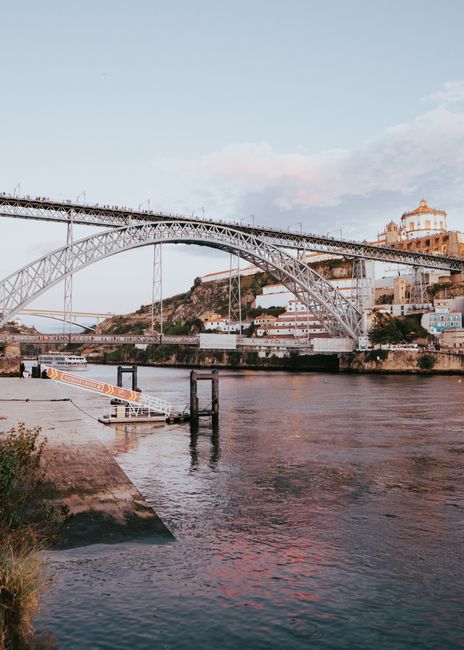
In July and August the hottest days invite you to do heritage visits in the morning, then seek shade or sea breeze in the afternoon. The Livraria Lello, Rua das Carmelitas, 144, 4050-161 Porto usually opens from 09:30 to 19:00; entry tickets typically start around €8, often deductible with a purchase depending on current terms. It’s wise to reserve a timeslot online, especially in summer. Queues and indoor crowds make the heat more noticeable: keep a water bottle and avoid heavy clothing.
For an ocean break, the beaches of Foz do Douro and Matosinhos are reachable from the center. Praia de Matosinhos, Avenida General Norton de Matosinhos, 4450-208 Matosinhos is popular for its wide sand, surf schools and fish restaurants. Beach access is free, but renting a sunbed and umbrella can cost about €10–€20 depending on the place and duration. The Atlantic water stays cool even in mid‑summer: bring a towel and swimsuit, and a light sweatshirt for the return at day’s end.
Recommended summer packing list
- Simple t‑shirts, tank tops, lightweight shirts or cotton and linen dresses.
- A pair of shorts, a skirt or loose trousers for hot days.
- Light trousers for restaurants, wine cellars and cool evenings.
- A denim jacket, thin cardigan or overshirt to wear after sunset.
- Breathable sneakers for sightseeing and sturdy sandals for flat walks.
- A swimsuit, compact towel and sunglasses with UV protection.
- A cap or wide‑brim hat, especially useful on the quays and in Foz.
- Sunscreen SPF 30 or 50, even when the Atlantic breeze masks the heat.
- A small backpack for water, reservations, a power bank and an extra layer.
Travelers wanting to try local cuisine can book a table at Restaurante O Gaveto, Rua Roberto Ivens, 824, 4450-279 Matosinhos, known for its fish and seafood. Expect to pay roughly €25–€45 per person excluding drinks, depending on choices. Service usually revolves around lunch and dinner with a mid‑day closure; reservations are highly recommended in high season. For terraces and restaurants, smart summer attire is enough: Porto stays relaxed, but locals appreciate a simple, elegant presentation.
Autumn in Porto: golden mildness, showers and practical elegance
Autumn, from September to November, is a great time to visit Porto. September keeps some summer warmth with pleasant temperatures, warm light and fewer crowds than August. October offers especially beautiful views from the city’s lookout points, while November brings a wetter, calmer atmosphere ideal for wine tasting, museums and foodie spots. This period suits travelers who prefer culture, city walks and authenticity over swimming.
In September, a summer‑style suitcase still works, but a light jacket becomes essential by evening. In October, showers increase and mornings can be cool. In November, Porto shows a more Atlantic face: changeable skies, sea winds, shiny cobbles and terraces sometimes sheltered by large awnings. The best strategy is packing easy layers: t‑shirts, shirts, thin knitwear, long trousers, a water‑repellent jacket and moisture‑resistant shoes.
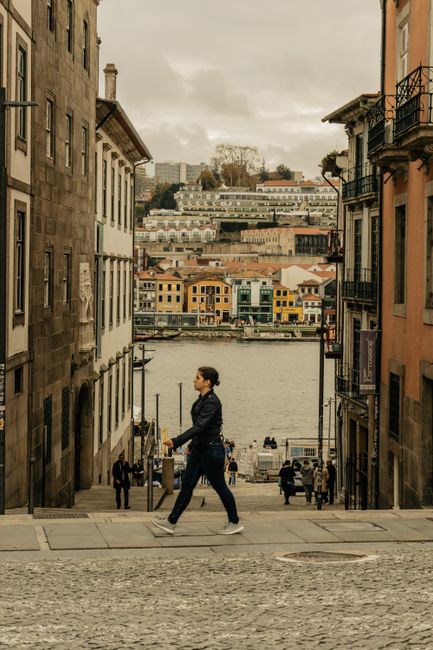
Autumn is ideal for crossing the Dom Luís I bridge and visiting the cellars of Vila Nova de Gaia. Casa Museu Ferreira, Avenida Ramos Pinto, 70, 4400-266 Vila Nova de Gaia offers guided tours of its historic cellars; prices often start around €18–€25 depending on the experience. Hours vary by season, but tours are generally daytime, by reservation or subject to availability. The cellars are cool and humid: even in September, a sweater or light jacket is useful.
You can also visit the Mercado do Bolhão, Rua Formosa, 322, 4000-248 Porto, restored and back as one of the liveliest spots downtown. The market usually opens Monday to Saturday, often from 08:00, closing earlier on Saturday and closed on Sunday. Stall and restaurant hours may vary. Entry is free; budget €5–€12 for simple purchases, pastries or a snack, and more for a sit‑down meal. In autumn it’s a great refuge during a shower while staying connected to local life.
Recommended autumn packing list
- A water‑repellent or waterproof jacket long enough to protect the upper thighs.
- A fine wool or merino sweater, handy for evenings.
- Long‑sleeve tops, t‑shirts and shirts for layering.
- Two comfortable long trousers, including one that handles moisture well.
- Waterproof closed shoes with a lugged sole.
- A lightweight scarf, useful against the Douro and coastal wind.
- A compact umbrella, paired with a hooded jacket for windy days.
- A waterproof pouch for your phone, documents and transport tickets.
For an autumn sunset, head to Jardim do Morro, Avenida da República, 4430-148 Vila Nova de Gaia. Access is free and the garden is generally open daily. From its lawns you’ll see the Dom Luís I bridge, the Ribeira roofs and the Douro. Arrive about an hour before sunset with a warm layer in your bag: once the sun slips behind the hills the temperature falls quickly.
Winter in Porto: rain, mildness and a protective packing list from December to February
Winter in Porto is not usually freezing or snowy, but it requires more thoughtful preparation than summer. From December to February temperatures stay generally above freezing and fairly mild, with afternoons often between 12 °C and 15 °C. The main issue is not extreme cold but the trio of rain, wind and humidity. A poor jacket or water‑soaking shoes can quickly ruin a day of exploring a hilly city.
Good winter gear means a truly waterproof jacket, a warm sweater, long‑sleeve clothes and closed shoes. A heavy coat isn’t always necessary if you layer well; it can nonetheless be appreciated by those sensitive to cold or for walks in Foz do Douro. Avoid smooth‑soled shoes: granite cobbles, rain‑polished sidewalks and old steps get slippery. Waterproof ankle boots or technical sneakers often strike the best balance between urban style and comfort.
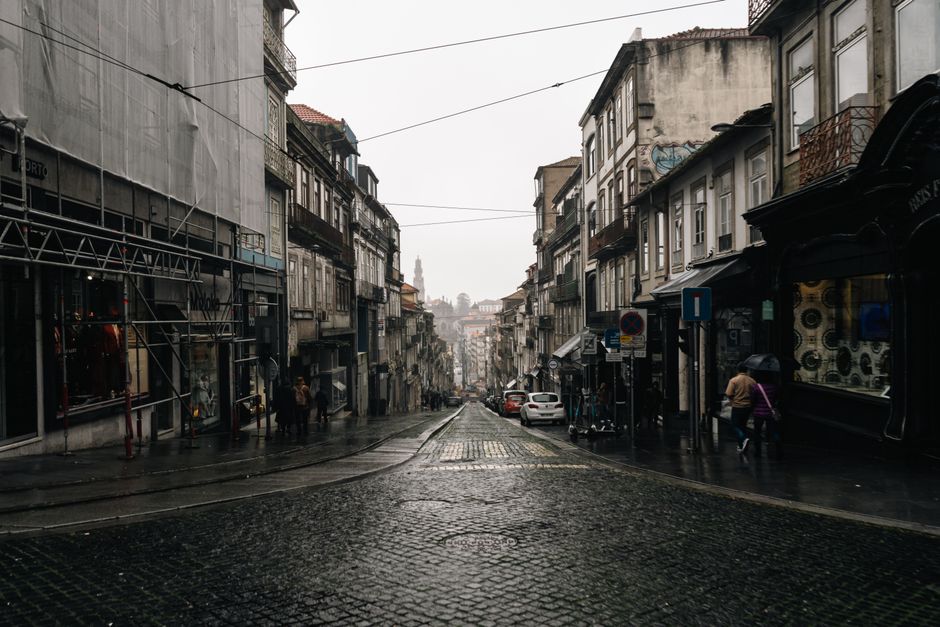
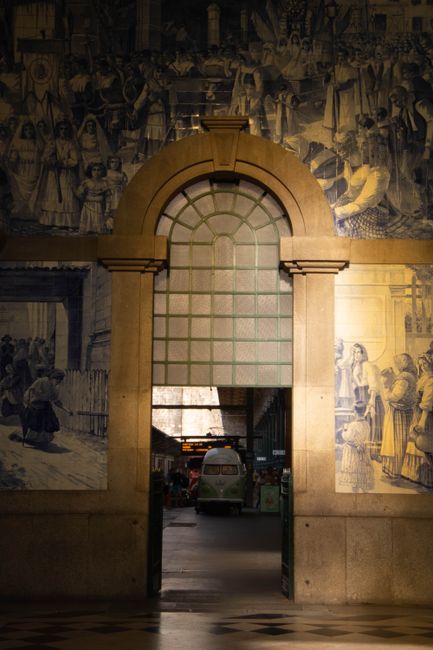
Winter is perfect for planning a cultural itinerary. The Estação de São Bento, Praça de Almeida Garrett, 4000-069 Porto is free to enter and open to rail travelers throughout the day. Its vast hall, decorated with thousands of blue-and-white azulejos, depicts scenes from Portuguese history. The winter light, slightly diffused, brings out the panels’ details beautifully. Bring a camera or a charged phone, and keep a waterproof cover in your bag if you continue your walk outside.
A few minutes’ walk away, the Café Majestic, Rua de Santa Catarina, 112, 4000-442 Porto offers shelter in a Belle Époque setting. Opening hours vary by day and season; check ahead, especially around holidays. A coffee costs roughly €3–5, while breakfast, a pastry, or a meal can raise the bill to €10–30 per person. It’s pricier than a neighborhood café, but it’s a memorable heritage experience.
Recommended winter suitcase
- A lightweight parka or warm waterproof jacket with an adjustable hood.
- A warm sweater, a cardigan, and several long-sleeve tops.
- A thermal base layer if you get cold easily or plan a coastal outing.
- Two long pants, preferably in thick or water-repellent fabric.
- Waterproof ankle boots or rain-resistant walking trainers.
- A sturdy umbrella, plus a hood for gusty winds.
- A scarf, thick socks, and thin gloves.
- A backpack with a rain cover or a waterproof bag to protect your belongings.
For a winter evening, a concert at the Casa da Música, Avenida da Boavista, 604-610, 4149-071 Porto is an excellent option. The venue is served by the metro, Casa da Música station. Concert prices vary widely by program, often starting at €10–15 and rising above €40 for some shows. Confirm tickets and schedules on the official program. Dress slightly smart, but don’t skimp on a warm layer for the return journey.
Practical year-round tips: pack according to neighborhoods, visits, and budget
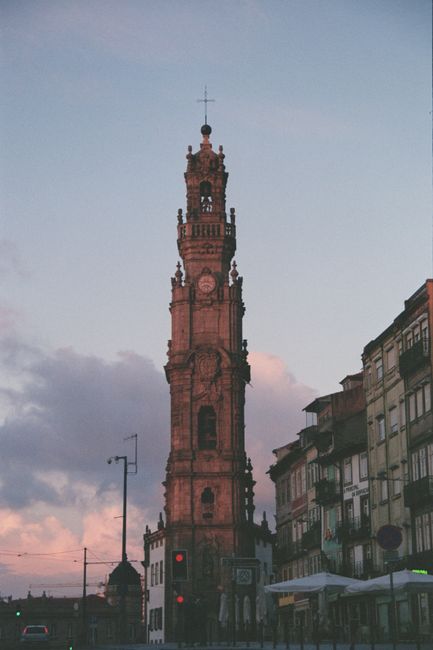
Beyond seasons, a good suitcase for Porto must suit the city’s topography. The historic center isn’t flat: Porto is made of hills, steps, cobbled alleys and viewpoints. Between São Bento station, the Sé do Porto cathedral, the Ribeira, the Torre dos Clérigos and the Gaia waterfront, you can easily walk several kilometers in a day. Truly comfortable shoes matter more than multiple outfits. Stylish travelers can bring dress shoes, but save them for dinners or indoor outings.
The Atlantic weather also calls for simple planning: tuck a lightweight waterproof layer in your bag each morning. Even in summer a cool breeze can come off the quays or the ocean. In Vila Nova de Gaia’s cellars, old churches and some museums, indoor temperatures can feel lower than outside. A shacket, cardigan or light scarf avoids unnecessary purchases on site.
For getting around, Porto has a network of metro, buses and trams. The metro serves Francisco Sá Carneiro airport and the city center; fares depend on zones and a rechargeable card is needed for some journeys. Always carry a few euros for transport, possible pay toilets, a coffee or a pastry. A pastel de nata often costs around €1.20–2.50 in a typical bakery, while a simple lunch can start at €10–15 in a local spot outside highly touristy areas.
Travelers wanting the six-bridges cruise on the Douro will find departures from the Ribeira and Vila Nova de Gaia quays. Tickets commonly cost €15–20 per adult for about 50 minutes, depending on operator and season. Even in good weather, bring a windbreaker: the river can be breezier than the lanes. Sun protection is also essential, as the water’s reflection increases exposure.
- To keep in your bag daily: water bottle, light jacket, sunglasses, power bank and tissues.
- Don’t forget: non-slip shoes, rain protection and layers.
- For photos: microfiber cloth and a waterproof pouch, especially between October and March.
- For the cellars: a vest or overshirt, whatever the season.
- For Foz do Douro and Matosinhos: an extra windproof layer, even in August.
Conclusion: choose the right season and travel calmly in Porto
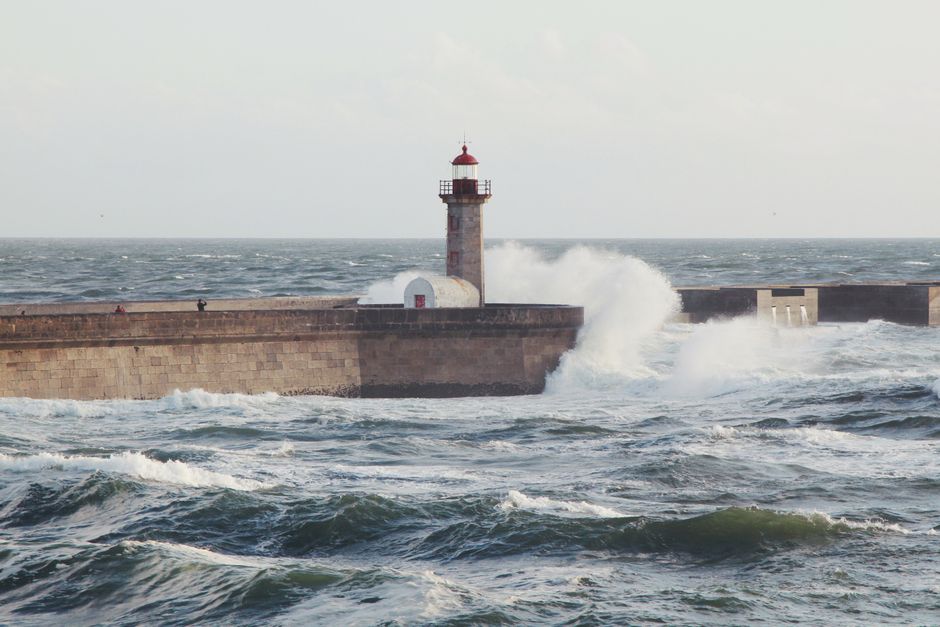
Porto rewards prepared travelers, but it doesn’t require a complicated suitcase. Its climate, shaped by the Atlantic and the Douro, is mainly notable for its variability. Winters can be mild, summers cool near the coast, May and September very pleasant, and a supposedly sunny day can still be rainy. The aim isn’t to pack too many clothes, but to pick versatile, comfortable pieces suited to walking.
Spring and autumn are the most balanced seasons to enjoy Porto’s architecture, museums, cellars and views—just bring rain protection. Summer is perfect for terraces, cruises and the beaches of Foz do Douro or Matosinhos, with a light jacket for evenings. Winter appeals to those seeking fewer crowds, cozy cafés and cellars, and sometimes lower prices; then focus on a waterproof jacket, reliable shoes and windproof accessories.
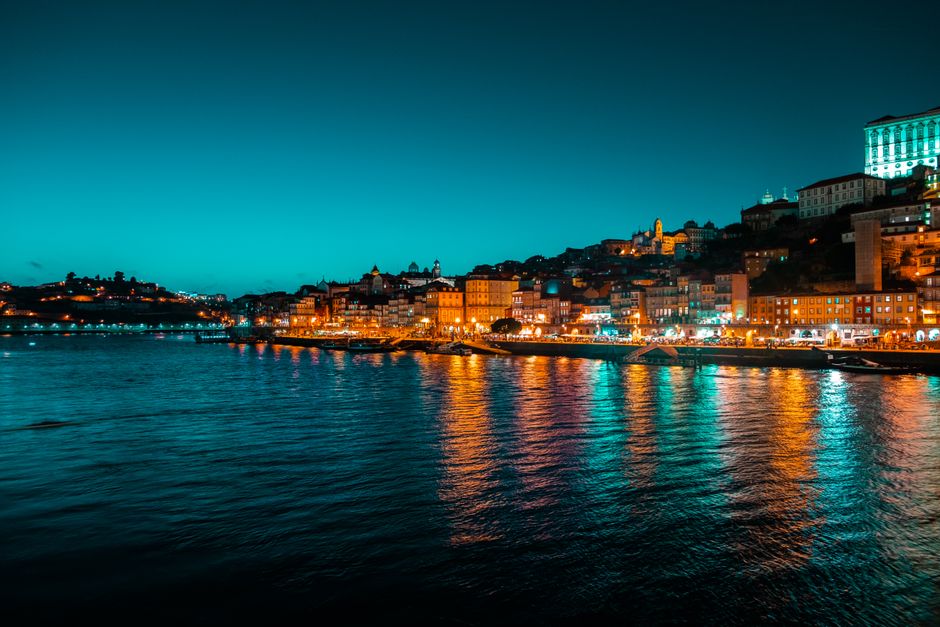
Whatever time of year you visit, bring shoes that can handle cobbles, a warm layer that’s easy to carry and rain protection. Also leave time for the unexpected: a shaft of sunlight on the Dom-Luís I Bridge, a tasty stop at Mercado do Bolhão, a tasting in Gaia’s cellars or a windy walk in Foz are all part of the experience. Porto isn’t a city to be explored solely according to the weather: it’s lived to the rhythm of changing light, steep streets and its deeply Atlantic atmosphere.