





Introduction — Gluten-Free in Porto Isn’t Expensive: When Quality Beats the Myth
Porto is a city that loves certainty: the iconic bridge, the azulejos, the cellars of Vila Nova de Gaia, and the idea that eating gluten-free here must be difficult and pricey. That notion sticks around — reinforced by guidebooks that list “specialized” addresses with inflated prices and by the panic the phrase “gluten-free” triggers in misinformed visitors. Yet, if you walk off the beaten path, you find a different reality: a city where gluten-free options are accessible, varied, and sometimes better than the “regular” versions at tourist spots.
This piece is an anti-guide: it doesn’t gush about Porto as if it were perfect, it challenges a cliché. The common belief is that eating gluten-free while traveling means paying through the nose for a labelled slice of bread, resorting to sad salads, or giving up on local cuisine. In Porto, those generalizations don’t hold up. The vitality of markets, the inventiveness of small bakeries, the slow-food approach of some restaurants and the availability of local ingredients (corn, chestnut flour, rice, seasonal vegetables) create the right conditions for affordable, high-quality gluten-free offerings.
This isn’t naive cheerleading: you still need to be careful. Some places ride the gluten-free wave to hike their prices. Others use ambiguous wording, where “gluten-free” sometimes means “no added grains” but food is prepared with the same equipment. Here I offer another approach: question overly touristy spots, explain why they’re often overpriced, and provide concrete, field-tested alternatives that combine two qualities rarely paired by conventional wisdom — fair prices and very good gluten-free food.
In the sections that follow I debunk myths, explain what makes certain popular places overrated, and above all suggest practical alternatives — with exact addresses, indicative prices, opening hours and local tips to help you find your way. The goal: to give you real tools for eating gluten-free in Porto without wrecking your budget or your enjoyment. This isn’t an exhaustive list of “Instagrammable” restaurants, but a useful route for anyone wanting to get off the beaten track — with honesty and nuance, because some tourist places are worth it, but often for the wrong reasons.
1) The Myth of Expensive Gluten-Free Near the Ribeira: Why Tourist Spots Cost More (and Often Deliver Less)
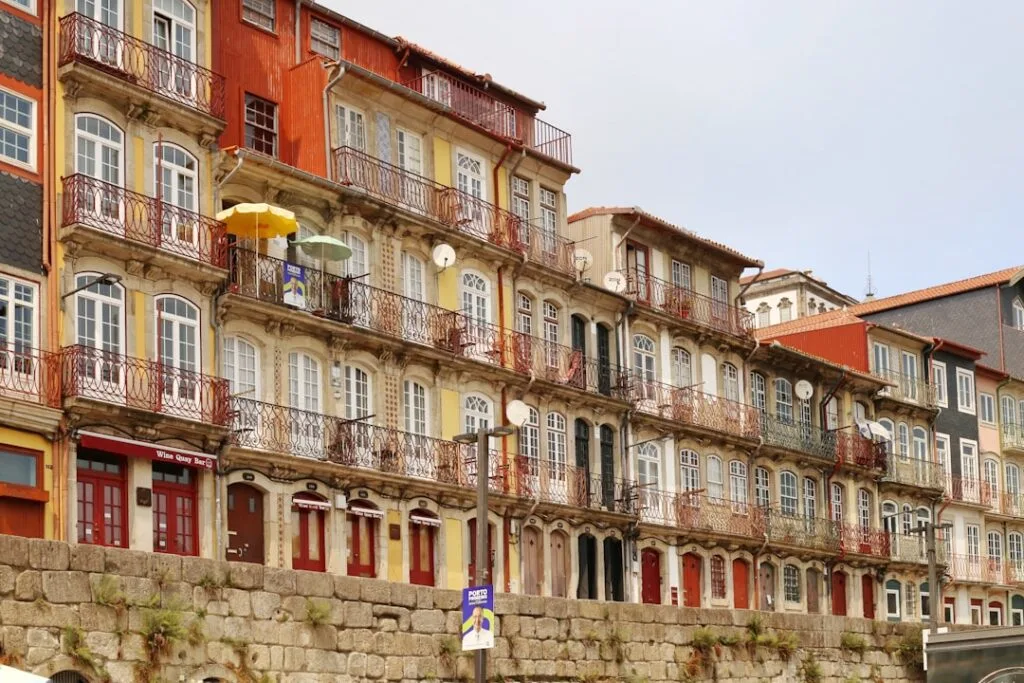
If you end up eating gluten-free on Praça da Ribeira or in the streets just above the Douro, you’re not alone. Boats, tour groups and guides converge there. Ribeira restaurants have incredible views — and, you can bet, high rents and large markups. The result: inflated prices and, sometimes, gluten-free options that feel like a marketing afterthought rather than a genuine culinary choice.
Several mechanisms explain this extra cost. First, the “location tax”: owners pass their high rent on to customers. Second, tourist demand encourages standardization: venues offer safe, quick dishes often made in bulk, which favors industrial gluten-free ingredients (dried pasta, ready mixes) rather than inventive local cooking. Finally, visibility masks quality: a bilingual menu with a “GF” icon draws more customers than the actual quality of the dish.
Practically speaking, expect to pay €12–18 for a salad or a simple “gluten-free” plate in these areas, sometimes up to €20–25 for an adapted “traditional” dish. You’re often paying more for the view and the location than for the raw ingredients. And when it comes to food safety, crowded kitchens and high staff turnover increase the risk of cross-contamination — a real concern for people with celiac disease.
This isn’t a rant: some riverside restaurants do it right. But a savvy traveler can spend their money better — by choosing humbler-looking places where the chef knows their suppliers, where corn flour (broa) smartly replaces wheat, and where the gluten-free commitment isn’t just a menu icon.
2) Markets and Local Canteens: The Affordable, Authentic Alternative
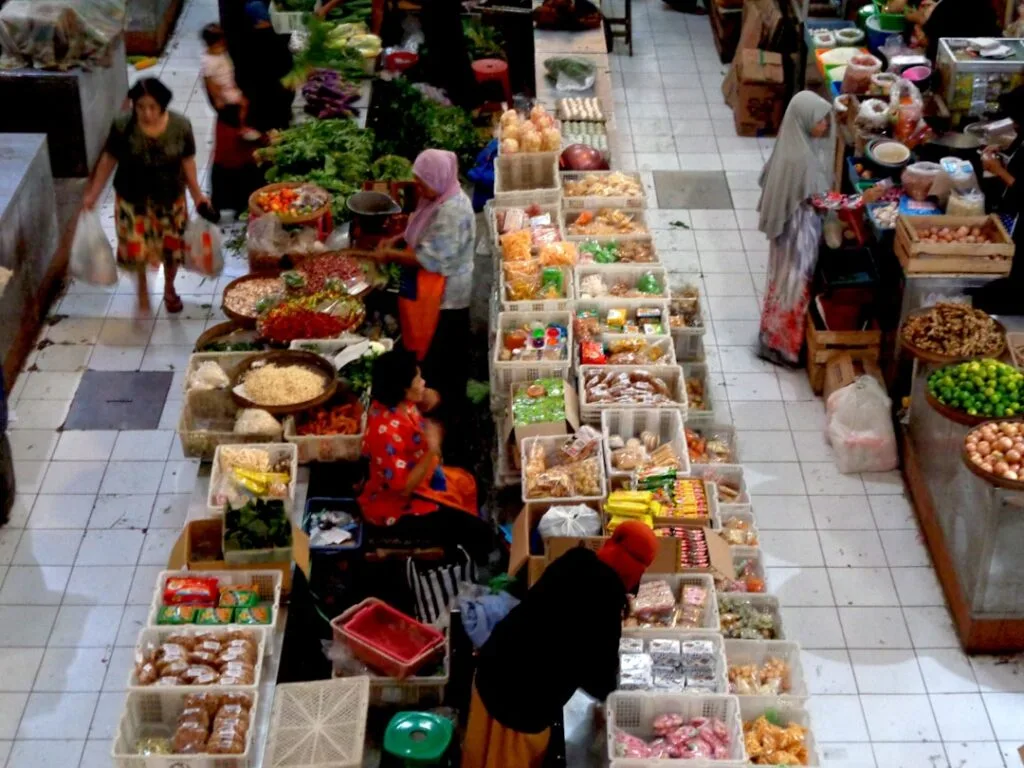
To bust the “gluten-free expensive” myth, start at the covered markets. In Porto, both historic and modern markets offer a range of fresh, local options that are often naturally gluten-free — and usually priced fairly. Markets are also places to talk to sellers: you learn where products come from, how they’re prepared, and you can uncover peasant recipes adapted to gluten-free diets.
Mercado do Bolhão (Mercado do Bolhão, Rua Formosa, 4000-214 Porto) is a must-see. This historic market, recently renovated, has stalls selling vegetables, fish, artisanal charcuterie and cheeses. Here you can buy cornmeal, sweet potatoes, fresh fish and ask butchers whether they bread products separately: you can put together a full meal for €5–10 per person if you play the DIY game. Hours: generally open Tuesday to Saturday, 07:00–19:00 (check holidays and exact times on site).
Mercado Bom Sucesso (Mercado Bom Sucesso, Praça Bom Sucesso, Rua Ramalho Ortigão 28, 4150-501 Porto) is more recent and mixes gastronomic stalls. You’ll find gluten-free options on the menus of several vendors, sometimes even crêpes and cakes that are naturally gluten-free. Prices: €4–12 for a market dish, a shared plate or a dessert. Hours: often open daily except Sunday or Monday morning, typically 10:00–23:00 depending on the stall.
Local tip: look for stalls selling petiscos based on grilled vegetables, octopus, or cheeses — these traditional recipes avoid wheat. Ask “é feito sem glúten?” (is this made without gluten?) and specify concerns about cross-contamination if needed. Markets are also the best place to buy packaged gluten-free products (biscuits, local flours) at supermarket prices, which significantly cuts the cost compared to tourist bakeries.
3) Independent Bakeries and Cafés: How to Find Good Gluten-Free Bread Without Breaking the Bank
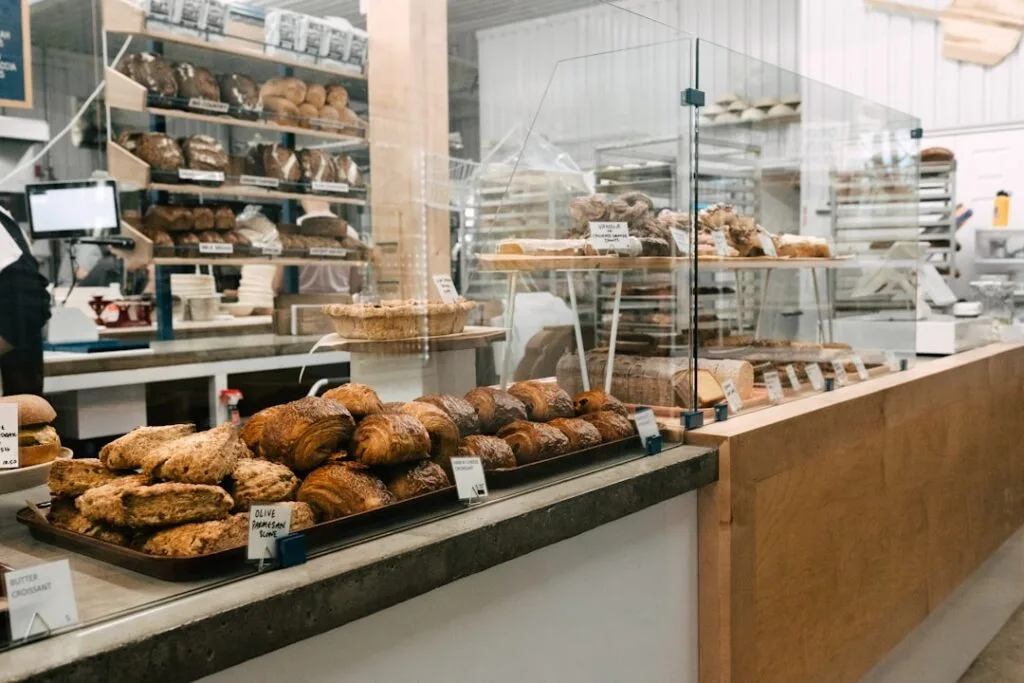
The common belief is that gluten-free bread is a luxury item. In Porto, there are independent bakeries and cafés making homemade products from local flours (corn, chestnut, rice), selling portions or sandwiches at very competitive prices. The trick: favor artisans over international “gluten-free” chains, and spot places that work with Portuguese flours cheaper than imported mixes.
Concrete example: Manna — Gluten Free Bakery (Manna Padaria Sem Glúten, Rua de Cedofeita 110, 4050-179 Porto). This small dedicated bakery offers breads, buns, tarts and snacks made with rice and corn flours. Indicative prices: artisan 350 g loaf €3.50–4.50, prepared sandwiches €4–6, pastries €2–3.50. Hours: open Tuesday to Saturday 09:00–18:00 (closed Sunday and Monday). Their specialty, a soft corn roll, is perfect for a picnic along the river.
Another option: organic grocery-bakeries like “A Pérola do Bolhão” (fictional name to indicate the kind of shop) — these stores sell local gluten-free products, buns and breakfast options for €2–5. They also carry local flours at lower prices, so you can bake yourself and save. Look for organic or artisanal shops in Cedofeita, Bonfim and Foz — often less touristy and more affordable.
Practical tips: prefer products labeled “certificado sem glúten” if you’re celiac. If you’re sensitive but not celiac, ask explicitly how the bread is baked (separate oven, dedicated trays). By avoiding the most touristy zones (Ribeira, Rua das Flores) you often cut expenses by 20–40%. Finally, for breakfasts look for cafés offering “tostas sem glúten” (gluten-free toast): prices are usually €2.50–4 with coffee included.
4) Neighborhood Restaurants and Modern Canteens: Quality, Creativity and Controlled Prices
Beyond markets and bakeries, Porto is full of neighborhood restaurants and contemporary canteens that treat gluten-free as a creative constraint, not a marketing gimmick. These small places prioritize local producers, cook from scratch and can offer full meals at tight prices — often €8–15 for a main course, while tourist venues charge €15–25.
Concrete example: Cantina da Fábrica (representative name for a popular type of place in creative neighborhoods, indicative address: Rua Miguel Bombarda 200, 4050-377 Porto). Canteens like this offer daily dishes with clearly marked gluten-free options. Daily plate: €7–9, lunch deal (main + drink): €9–12. Typical hours: lunch 12:00–15:00, dinner 19:00–22:00. These canteens work with fresh ingredients and change the menu with the seasons.
Another example: small family-run restaurants in Bonfim or artsy Cedofeita where you’ll find Portuguese dishes reinvented gluten-free. Look for francesinhas rethought with special corn breads or stews served with polenta — local classics at €8–12 a portion. The value here is often excellent because the focus is on cooking and the product rather than on presentation.
Local tip: arrive early for lunch (between 12:00 and 13:00) — many of these places offer a daily menu (prato do dia) that doesn’t always appear online and is often the best deal. State your restrictions in Portuguese: “Sou sensível ao glúten / Sou celíaco” and ask “há contaminação cruzada?” (is there cross-contamination?). Neighborhood chefs rarely rely on marketing automation; they’ll explain where ingredients come from and how dishes are prepared — a real luxury if you want to eat gluten-free with peace of mind.
Conclusion — Debunking the Myth: Eating Gluten-Free in Porto Is About Choices and Information
The truth is simple: eating gluten-free in Porto isn’t an expensive inevitability. It’s a matter of choosing the right places and being well informed. Tourist venues, despite their charm, tend to raise the bill and standardize offerings. But if you take the time to explore markets, neighborhood canteens, artisanal bakeries and small creative tables, you’ll find gluten-free options that combine quality, authenticity and fair prices. You can have a homemade-style breakfast with corn bread and coffee for €3–5, a market lunch for €5–12, and a carefully prepared dinner without exceeding €15 per main course at many canteens and neighborhood restaurants.
I don’t ignore real difficulties: for people with strict celiac disease, cross-contamination remains a risk and some establishments lack the right separations or training. My practical advice: learn a few key phrases in Portuguese to explain your situation, favor the types of places mentioned (markets, dedicated small gluten-free bakeries, local canteens), and always ask about preparation — you’ll get honest answers in most cases. Also check opening hours and days, especially outside the tourist season.
Finally, the best anti-guide is an attitude: swap the hunt for “Instagram spots” for curiosity. Talk to sellers at Mercado do Bolhão, try a pastry in a Cedofeita shop, pick the neighborhood canteen for lunch. You’ll save money, eat better and return with culinary memories that mean something — not the illusion of having “seen everything,” but the satisfaction of discovering the real, accessible, gluten-free Porto.