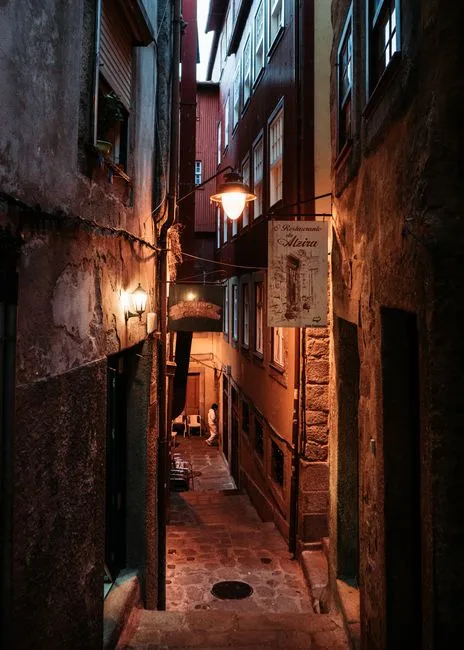
Introduction — Why a checklist before entering a restaurant in Porto
Porto draws millions of visitors every year with its cobbled lanes, colorful Ribeira waterfront and bold culinary scene. But dining in Porto isn’t just about tasting a francesinha or a bowl of caldo verde: it’s also about navigating sometimes tight, noisy and busy spaces. For cautious travelers — whether you’re returning to city life after a long period of isolation, sensitive to allergies, or traveling with a small child — stepping into a restaurant can carry real contamination risks (food, surfaces, air). This practical guide gives you a clear, on-the-spot checklist: numbered steps, specific addresses, opening hours of well-known Porto eateries, price ranges and the items to check before you cross the threshold.
Here you’ll find 7 precise steps — no vague advice — to assess in 10 minutes whether a place meets your precaution level. The steps cover identifying the venue, staff and surface hygiene, ventilation/spacing, menu and payment handling, risks tied to shared dishes, behavior to adopt while dining, and what to do in case of illness or incidents. Each section includes concrete examples of popular Porto restaurants with addresses, opening times and price ranges so you can use the checklist right away.
This guide is designed as a quick routine: read the introduction, then apply each of the 7 numbered steps when you approach a venue. You can print the checklist or keep it on your phone to tick off each point. The addresses and hours shown (March 2024–Jun 2024) are indicative; check for updates on the restaurant’s site or Google Maps the day you go. Finally, the recommendations take into account Porto’s urban context — narrow historic center streets, riverfront terraces and food markets — so your decisions are grounded in local reality.
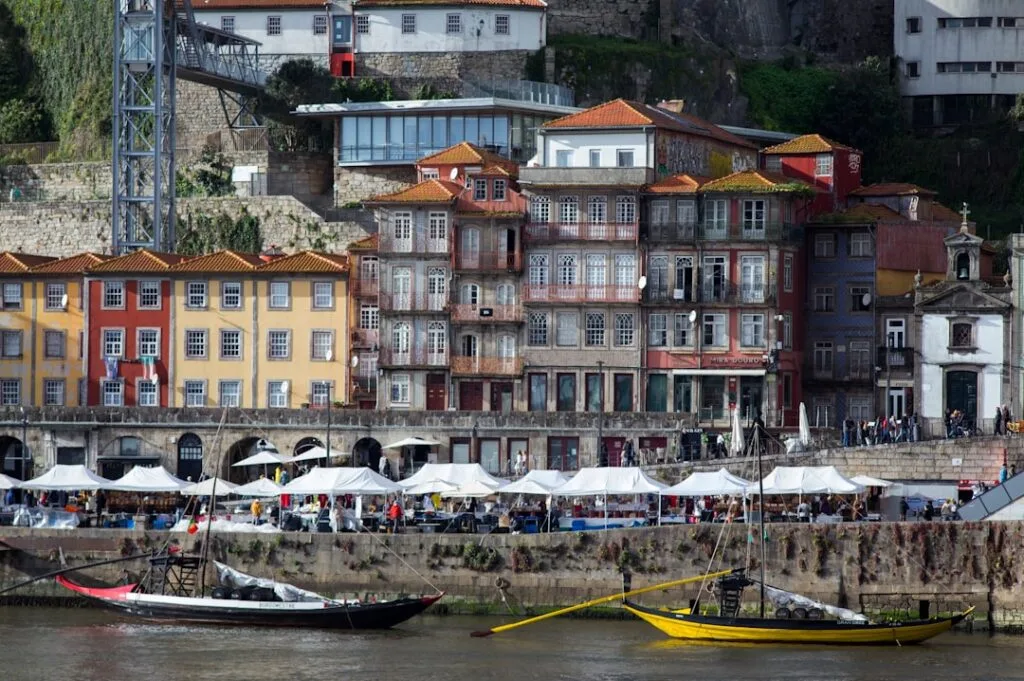
Step 1 — Check location and crowd levels before you go in
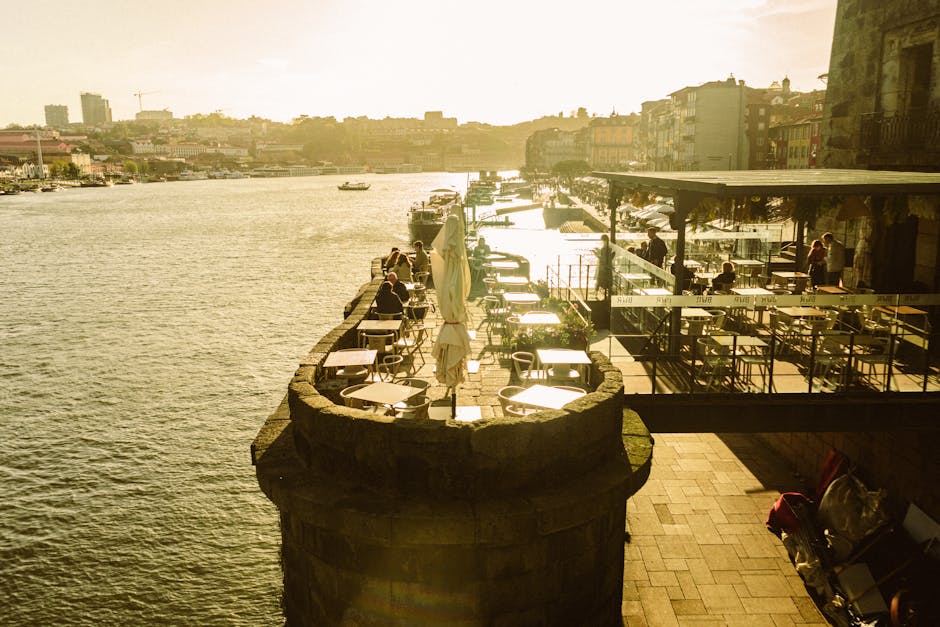
The first check is simple and often decisive: note where the restaurant is and how busy it looks. In Porto, urban layout heavily influences airflow and customer density. A place tucked on a narrow street (e.g. Rua das Flores) will often have less natural ventilation than an establishment with a quay-side terrace (e.g. Ribeira).
Concrete procedure:
- Pin the exact address in your app: example — Adega São Nicolau, R. de São Nicolau 1, 4050-561 Porto.
- Observe the entrance and waiting area: is there a tight queue on the pavement? If so, book ahead or choose another spot.
- Estimate visible occupancy: if there are more than 8 people in an indoor area of 50 m², density is high. Opt for a less crowded dining room.
- Favor an outdoor terrace if possible: for instance, restaurants along the Douro (Ribeira) like Taberna do Largo offer outdoor options — check whether the terrace is shaded or wind-exposed.
Practical examples and opening hours:
- Taberna dos Mercadores — Rua dos Mercadores 36, 4050-373 Porto. Hours: Tue–Sat 12:00–15:00, 19:00–22:30. Price range: dishes €10–€25. Very busy at dinner (19:30–21:30).
- Adega São Nicolau — R. de São Nicolau 1, 4050-561 Porto. Hours: daily 12:00–23:00. Prices: dishes €8–€22. Heavy crowds 20:00–22:00; reservation recommended.
- Casa Guedes — Praça dos Poveiros 130, 4000-297 Porto. Hours: Mon–Sat 09:00–20:00. Signature: sandes de pernil (pork sandwich) €3.50–€4.50. Regular queue 12:00–14:00.
Quick checklist to tick off before entering:
- Address confirmed
- Outdoor crowd acceptable
- Terrace option available
- Opening hours compatible
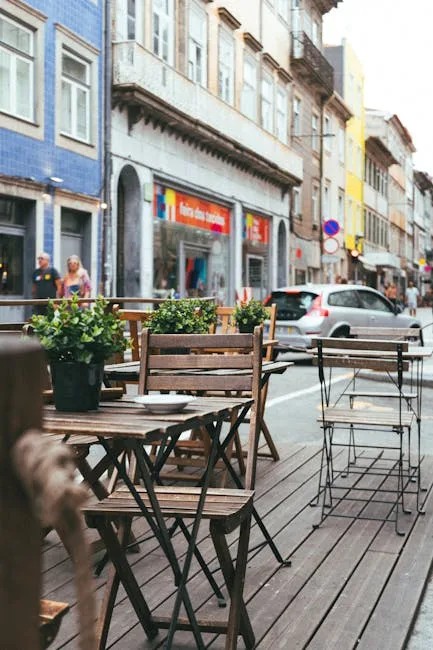
Step 2 — Check hygiene signage and staff behavior
Once the location looks acceptable, watch for hygiene signs and how staff behave. In Porto, small family-run places sometimes have less formal procedures than chains, but many still display clear cleanliness cues and sanitary protocols.
What to look for exactly:
- Cleaning notices: a sign stating tables are cleaned every X minutes is a good indicator. Look at the counter or the entrance.
- Gloves and hand hygiene: kitchen staff should change or clean gloves regularly. If staff handle cash then food without sanitizing, note it and consider avoiding the place.
- Uniforms and tied-back hair: clean aprons, hair tied back or hairnets present.
- Visible, clean bins: overflowing bins near the kitchen or counter are a red flag.
Local examples where signage and staff behavior are often up to standard:
- Cervejaria Brasão — Rua de Ramalho Ortigão 28, 4000-407 Porto. Hours: daily 12:00–00:00. Prices: francesinha €12.50–€16. The venue posts its cleaning routines at the counter and staff wear neat uniforms.
- Mercado do Bolhão (food stalls) — Rua Formosa 214, 4000-214 Porto. Hours: Mon–Sat 08:00–18:00. Buy from stalls where the vendor uses a clean tray, fresh gloves and a meat thermometer if visible.
Checklist to validate:
- Cleaning notice visible
- Staff sanitize hands between tasks
- Utensils and cutting boards look clean and in sight
- Bins empty or properly closed
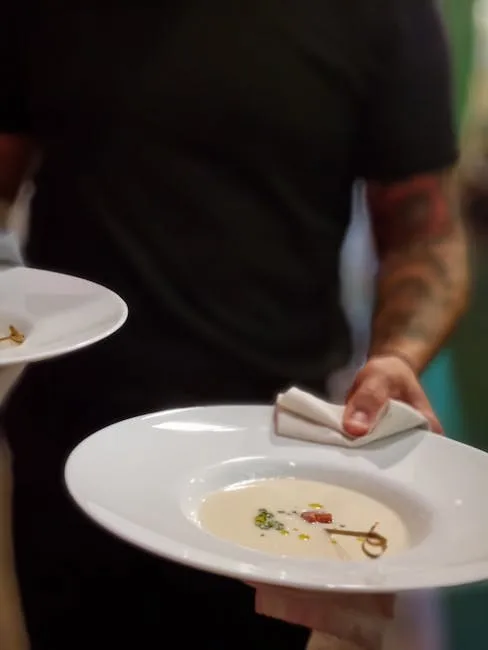
Step 3 — Assess ventilation and table spacing
Air circulation and the distance between tables are key factors to reduce airborne contamination risk. In Porto, some traditional restaurants have vaulted, compact rooms; others have wide spaces with windows opening onto the street or a terrace. This step is about quickly eyeballing and measuring available space.
Practical 3-minute procedure:
- Note where windows/doors are: an entrance and an opposite window support cross-ventilation. If windows are closed and the room is cramped, pick a terrace table.
- Estimate table spacing: roughly, 1 meter equals the width of a person. If tables are less than one meter apart, ask to move the table or leave.
- Ask whether AC is on recirculation: pose the question to your server. If the aircon recirculates without HEPA filtration, avoid peak hours.
Addresses and tips:
- Adega São Nicolau — often very busy and indoor. Ask for a table near the door (R. de São Nicolau 1). If the door stays closed, request the terrace or wait for a table turnover.
- Ribeira cafés and terraces — the Cais da Ribeira avenue offers many outdoor options: favor places with side screens (windbreaks) but open at the top to keep air moving.
Ventilation checklist:
- Windows/doors open or good airflow
- Tables spaced ≥ 1 meter (ideal ≥ 1.5 meters)
- Air conditioning with filtration or in ventilation mode
Step 4 — Check menus, shared items and touchpoints
Menus and other shared objects (condiment packets, payment touch-screens, spice jars) are classic contamination vectors. In Porto, some traditional places still use paper menus, others have switched to laminated menus or QR codes. Here’s how to assess and reduce the risk.
Immediate actions:
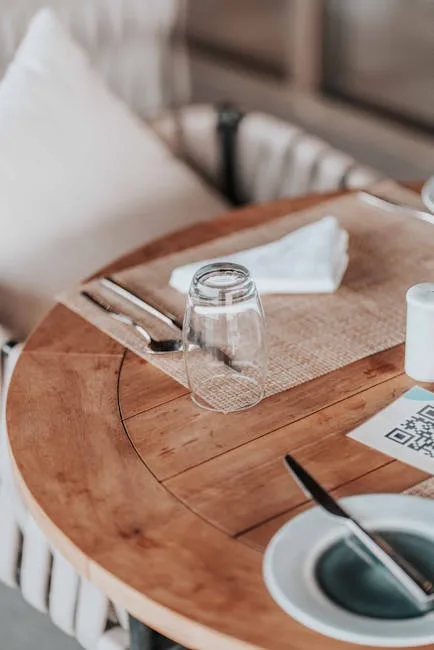
- Prefer QR codes: scan the QR code if available (usually on the table or counter). If the menu is paper, ask for a freshly used/clean one.
- Request wrapped cutlery: many restaurants can provide sealed cutlery; insist on it if you’re concerned.
- Avoid touching communal condiments: ask the server to bring salt/pepper in an individual ramekin.
- Sanitize your hands after handling: use hand sanitizer (100 ml ≈ €2–€4 at pharmacies) before touching your face or phone.
Dining spots and examples:
- Casa Guedes — usually simple menus and counter service. Ask for your sandwich wrapped or for takeaway if the counter looks crowded (Praça dos Poveiros 130).
- Taberna dos Mercadores — chalkboard menu often wiped down; ask if the board was cleaned between customers (Rua dos Mercadores 36).
Shared items checklist:
- QR code or clean laminated menu
- Sealed or sanitized cutlery
- Personal condiments on request
- Hand sanitizer available
Step 5 — Choose dishes and manage food risks
The type of dish affects risk: raw or undercooked items, shared plates, or dishes requiring many hands increase exposure. In Porto, some classics (petiscos, seafood platters, charcuterie) need special attention. Here’s how to pick wisely.
Practical rules:
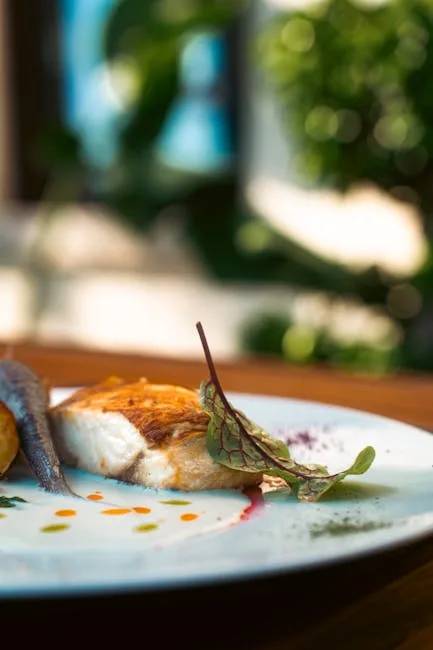
- Avoid raw dishes if you’re at-risk: ceviche, sushi or fresh oysters — opt instead for well-cooked dishes like grilled bacalhau (cod).
- Prefer individual portions: rather than a big shared plate, order individual servings to limit utensil passing.
- Ask for full cooking: request well-done for meats and fish if necessary.
- Be cautious with buffets and self-service: avoid them if staff don’t manage the service directly. Few Porto venues offer buffets, but some market stalls do (Mercado do Bolhão: listen to how the stall is managed).
Examples of safer and riskier dishes in Porto:
- Recommended dishes: caldo verde (hot soup) €3.50–€6.50, bacalhau à bras €12–€20, francesinha (well-cooked) €12–€16.
- Dishes to approach with caution: raw seafood platters (prices vary €15–€35 depending on selection), petiscos meant for sharing without individual cutlery (€6–€12 per portion).
Suggested spots for well-cooked dishes:
- Cervejaria Brasão — meat specialities and well-cooked francesinha (Rua de Ramalho Ortigão 28). Dishes €9–€18.
- Adega São Nicolau — traditional bacalhau prepared properly (R. de São Nicolau 1). Prices €10–€22.
Dish selection checklist:
- Prefer individual portions
- Request meats/fish well cooked
- Avoid raw seafood without clear hygiene proof
Step 6 — Payment, receipt and final interactions
The payment moment is often when terminals, cards and cash are shared. Here’s how to secure the end of your meal in Porto — a commonly overlooked but crucial step to avoid contamination.
Secure payment procedure:
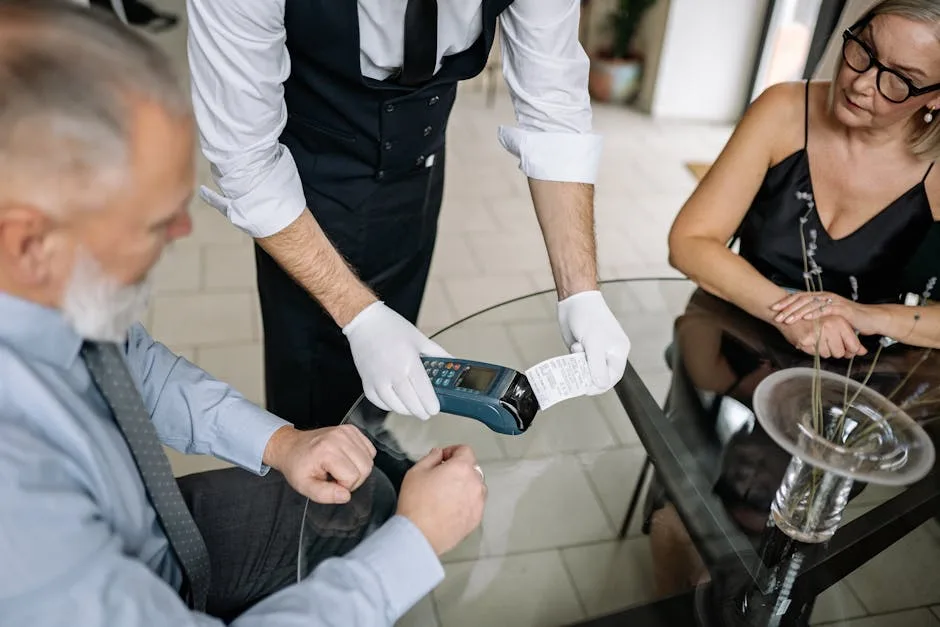
- Prioritize contactless payment (card, Apple/Google Pay): most Porto restaurants accept contactless; for small stalls look for SumUp or iZettle devices.
- Don’t handle the card machine: ask the server to bring the terminal to the table and hold it while you pay, then wipe it down (with a disinfecting wipe) afterward.
- For cash: place bills in a tray rather than handing them directly from person to person. If possible, pay separately for your share.
- Ask for the receipt by email if available to avoid paper handled by multiple people.
Indicative prices and tips:
- Average cost for a simple meal in Porto: €10–€18 per person (starter + main + local drink). Upscale restaurants €25–€50/person.
- For small cafés and snacks (Casa Guedes): sandwich €3.50–€4.50; contactless payment usually accepted, but carry some coins for small vendors.
Payment checklist:
- Contactless payment prioritized
- Terminal held by staff, disinfected after use
- Receipt sent by email if possible
Step 7 — What to do if you have symptoms or witness a breach
Despite all precautions, you may feel unwell or notice a serious hygiene breach. This final step outlines a clear course of action so you can act quickly and limit exposure to others.
Immediate actions if you have symptoms (fever, cough, malaise):
- Tell the staff immediately and ask for an isolated spot to wait if they can provide one.
- Return home or find a pharmacy/health center: pharmacies (Farmácia) in Porto operate day and night: Farmácia Portuguesa — R. de Sá de Noronha 151, 4000-472 Porto (hours vary; some open 24h). Cost of an antigen self-test at a pharmacy ≈ €5–€15 depending on brand.
- If it’s an emergency: dial 112 (Portugal) for an ambulance. For non-emergencies, contact SNS 24 at 808 24 24 24 for medical guidance in Portuguese/English.
What to do in case of a serious hygiene breach:
- Ask for the manager’s name and note the time and behaviors observed (e.g. staff handling money then food without washing).
- Request a copy of any displayed sanitary control sheet if present; note the restaurant’s tax number (NIF) if you plan to report the place.
- Report the incident to the Autoridade de Segurança Alimentar e Económica (ASAE) via their official site or by phone: +351 218 691 000 (office hours). Provide photos and detailed descriptions.
Post-incident checklist:
- Emergency contact 112 if condition worsens
- Pharmacy / antigen test if needed
- Report to ASAE with evidence
Conclusion — Practical summary and quick routine to follow
Entering a restaurant in Porto can become a safe, stress-free routine if you consistently apply these 7 steps: check location and crowding, monitor staff hygiene, assess ventilation and spacing, manage menus and shared items, choose dishes to minimize risk, secure payment, and finally know what to do if you have symptoms or witness breaches. Each step is designed to take just a few minutes before or during your meal — a habit that protects you, fellow diners and staff.
To recap in a pocket checklist (copy/paste or print):
- Step 1 — Address confirmed, crowd acceptable, terrace option?
- Step 2 — Hygiene signage visible, staff sanitizing?
- Step 3 — Ventilation OK, tables spaced ≥1 meter?
- Step 4 — QR/plastic menu clean, sealed cutlery available?
- Step 5 — Individual and well-cooked dishes chosen?
- Step 6 — Contactless payment, terminal disinfected?
- Step 7 — Emergency numbers noted, pharmacy/test on hand?
Remember that Porto is full of fantastic places: Casa Guedes (Praça dos Poveiros 130), Taberna dos Mercadores (Rua dos Mercadores 36), Adega São Nicolau (R. de São Nicolau 1), Cervejaria Brasão (Rua de Ramalho Ortigão 28) and the varied stalls of Mercado do Bolhão (Rua Formosa 214). Always double-check opening hours before you head out (most open at noon and close between 22:00 and midnight), adapt these steps to your personal risk level and don’t hesitate to ask for simple accommodations — most Porto venues are welcoming and understanding.
If you’d like, I can create a printable A4 PDF with a condensed checklist, tick boxes and local contact fields (pharmacy, emergency, ASAE) tailored to the neighborhoods you’ll visit in Porto. Tell me your neighborhood or route and I’ll prepare the document with relevant addresses and phone numbers.