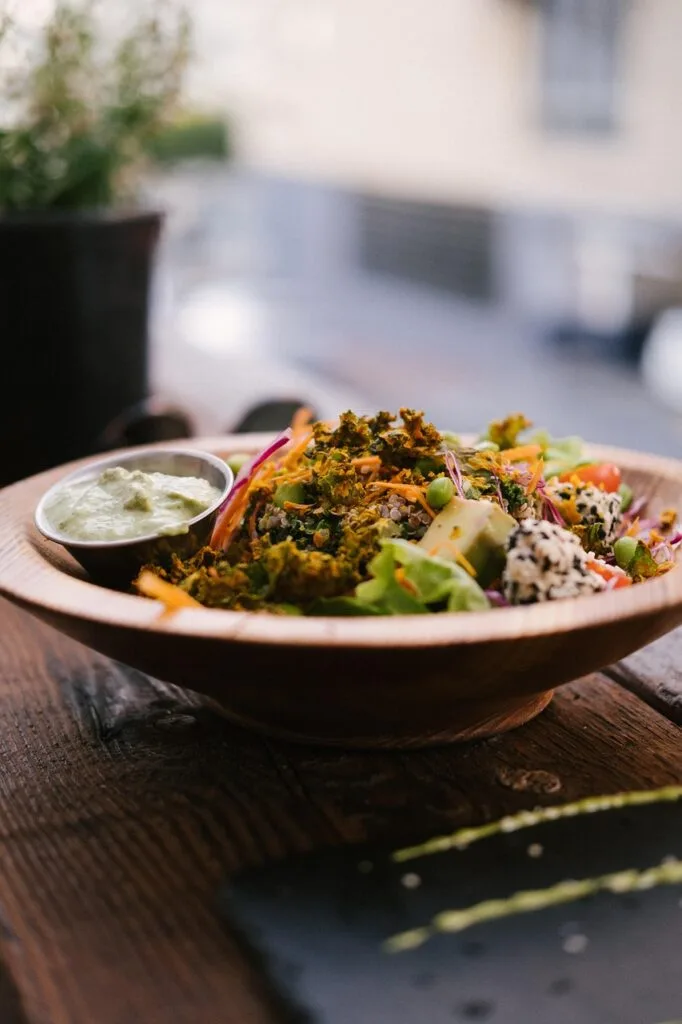






Introduction — Why this guide to ordering vegan in Portuguese in Porto
Porto is a lively city where traditional cuisine sits alongside a growing contemporary food scene, including an expanding vegan offering. For French-speaking vegan travelers, ordering at restaurants, markets, and cafés can quickly become stressful: hidden allergens, menus in Portuguese, and a local habit of assuming certain ingredients (like fish stock or butter) are « natural. » This practical guide is designed to give you key phrases, ready-to-use dialogues, checklists and concrete addresses in Porto — everything you need to eat vegan with confidence from your very first order.
Rather than vague advice, you’ll find numbered steps to prepare your order, polite phrases, alternatives to request if a dish contains a non-vegan ingredient, and phonetic translations so you can speak even if you’ve never practiced Portuguese. There are also printable checklists or versions to keep on your phone: phrases to memorize, questions to ask, and expressions to avoid so you won’t be misunderstood.
The guide also includes useful spots in Porto: a central market ideal for fresh produce, a few restaurants/cafés known for vegan options, and health food shops. For each place you’ll find the full address, rough price ranges and typical opening hours — practical info to plan your meals. Finally, you’ll get local tips: how to ask without causing confusion, how to spot suspicious dishes even if the word « vegano » doesn’t appear on the menu, and how to refuse dishes with eggs, milk or fish.
Keep this guide handy while wandering the cobbled streets of the Ribeira, queueing at a small bistro downtown, or grabbing coffee in Matosinhos after a beach day. The phrases are short, clear and ready to use; you can show them on your phone or say them out loud. Beyond language, each section includes real dialogue examples with staff, variations depending on the venue (restaurant, food truck, market), and simple fallback solutions if the answer isn’t what you hoped.
Before you start: get your phone ready, note 6–10 essential phrases (we provide them), and memorize a polite thank-you. The Portuguese welcome often comes with a smile and an « obrigado/obrigada » — a small gesture that smooths interactions. If you’re ready, let’s move on to priority phrases, typical exchanges, and Porto addresses where you can practice ordering vegan.

Must-have key phrases and pronunciation — Speak with confidence
Start by learning 12 essential phrases — they cover the basics: saying you’re vegan, asking what’s in a dish, requesting changes and checking for hidden animal products (stock, butter, cheese, gelatin). Below each phrase you’ll find a simplified pronunciation and useful variants.
- I am vegan — « Eu sou vegano » (male) / « Eu sou vegana » (female). Pronunciation: « EH-oo soo vah-GAH-no / vah-GAH-na. » Useful as an opening to alert staff.
- Is this dish vegan? — « Este prato é vegano? » Pronunciation: « ESH-chee PRAH-too eh vah-GAH-no? »
- Does it have milk / butter / egg? — « Tem leite / manteiga / ovo? » Pronunciation: « Tchem LAY-tchee / man-TAY-gah / OH-vo? »
- Without animal products, please — « Sem produtos de origem animal, por favor. » Pronunciation: « Sem proh-DOO-toosh djee oh-REE-zhem ah-nee-MAL, por fah-VOR. »
- I am allergic to milk / eggs / fish — « Sou alérgico(a) ao leite / ovos / peixe. » Pronunciation: « Soh ah-LEHR-zhee-ko(a) ow LAY-tchee / OH-voosh / PAY-she. »
- Can you prepare it without stock or butter? — « Pode preparar sem caldo (de carne/peixe) ou sem manteiga? » Pronunciation: « POH-dgee preh-PAH-rar sem KAL-doo (djee KAR-neh / PAY-she) ow sem man-TAY-gah? »
- Does the sauce contain fish / cream / cheese? — « O molho tem peixe / natas / queijo? » Pronunciation: « Oo MOHL-yoo tem PAY-she / NAH-tash / KAY-zho? »
- I want the salad without cheese or eggs — « Quero a salada sem queijo nem ovos. » Pronunciation: « KEH-roo ah sah-LAH-dah sem KAY-zho nem OH-voosh. »
- Is the bread made with milk or butter? — « O pão tem leite ou manteiga? » Pronunciation: « Oo pow tem LAY-tchee ow man-TAY-gah? »
- Can you make a similar vegan dish? — « Pode fazer um prato vegan semelhante? » Pronunciation: « POH-dgee fah-ZEHR oon PRAH-too VE-gaan seh-meh-LHAN-che? »
- Thanks / Thank you very much — « Obrigado » (male) / « Obrigada » (female); « Muito obrigado(a) » for thank you very much. Pronunciation: « Oh-bree-GAH-doo / Oh-bree-GAH-dah; MOO-een-toh oh-bree-GAH-doo(a) »
- Can you write that down, please? — « Pode escrever isso, por favor? » Pronunciation: « POH-dgee es-kreh-VEHR EE-soo, por fah-VOR? »
Quick pronunciation tips: the Portuguese « r » can be rolled or pronounced like an « h » at the start of a word (e.g. « rua »). Polite forms like « por favor » soften your request. If you can’t pronounce something, show the written phrase: Portuguese people appreciate the effort and often read English and Spanish well, but showing the phrase in Portuguese is usually most effective.
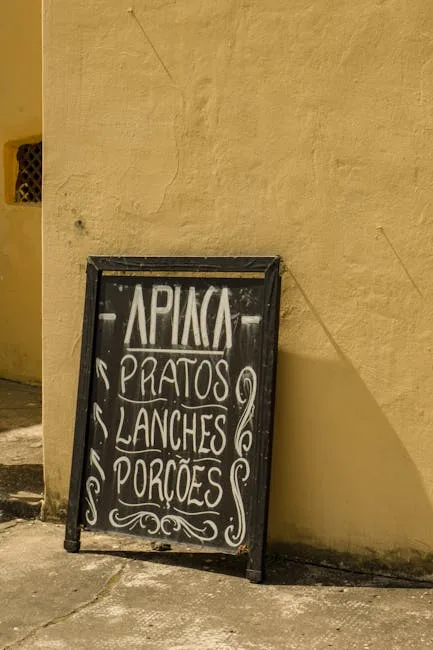
Ordering at a restaurant — sample dialogues, changes and checks
Here are ready-made dialogues covering common scenarios: a sit-down tavern, a modern canteen, and a food truck. Each dialogue shows the opening phrase, a likely server response, and the appropriate reaction. At the end of the section you’ll find a checklist to photocopy for substitutions and modifications.
Scenario 1: Sit-down restaurant (taberna)
You’re seated and looking at the menu. The server offers the dish of the day. Say: « Eu sou vegano/vegana. Este prato do dia é vegano? » — if the answer is « não » (no), continue with: « Pode fazer sem carne/peixe/ovos/laticínios, por favor? » The server might ask « Tem alguma restrição específica? » (do you have a specific restriction?). Reply: « Sim, sem leite, ovos, mel nem peixe. » If the dish uses fish in the stock, ask explicitly: « O caldo é feito com peixe ou carne? » If yes, propose an alternative: « E é possível substituir por legumes grelhados ou arroz? » They often agree to modify the dish.
Scenario 2: Canteen / modern café
Urban cafés and canteens are often flexible. Say: « Posso encomendar sem lactose e sem ovos? » (Can I order without lactose and eggs?) If the kitchen makes a sandwich with pesto and parmesan, ask: « O pesto tem queijo? » If they say no, confirm: « Só para confirmar: sem queijo, por favor. » For salads, insist on: « Sem molho com maionese/sem queijo. Pode pôr vinagrete ou azeite? »
Scenario 3: Food truck / market
At markets (like Mercado do Bolhão) and food trucks, communication is fast. Say: « Eu não como produtos animais. Pode ser sem manteiga, ovos e peixe? » If the vendor is busy, show the phrase written down. Offer a simple alternative: « Pode pôr legumes grelhados e batatas? » Stalls often answer « sim » if ingredients are kept separate.
Checklist to verify before accepting a dish:
- Check the stock: « O caldo é de carne ou peixe? »
- Check the sauce: « A molho tem natas/queijo? »
- Ask for separate cooking: « Pode cozinhar separado? »
- Ask for a substitute: « Posso trocar por arroz/legumes? »
- Confirm no butter/animal fats: « É feito com azeite ou manteiga? »
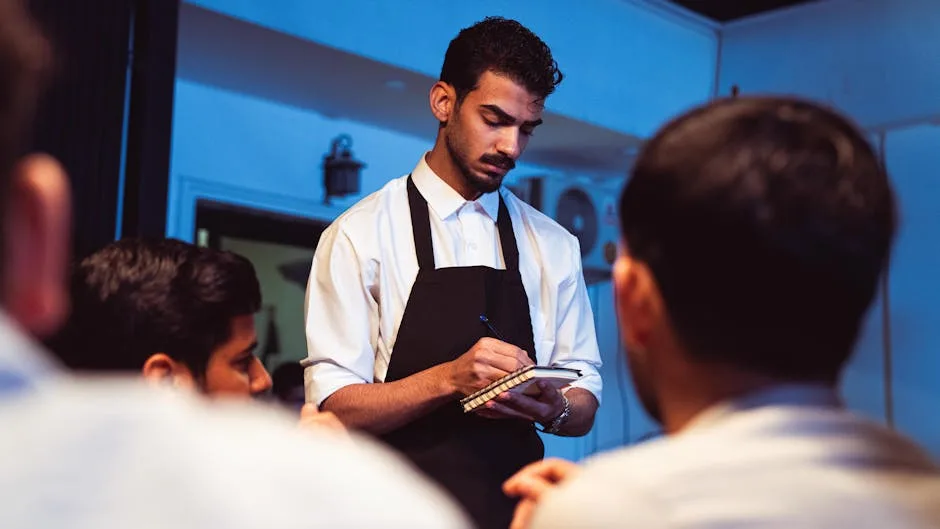
Useful addresses in Porto for vegan options — where to eat and what to expect
Below are four real, useful spots in Porto with full addresses, indicative prices and typical hours. These places are recommended for their understanding of vegan requests and flexibility. Always check current opening times online before you go (they can change seasonally).
-
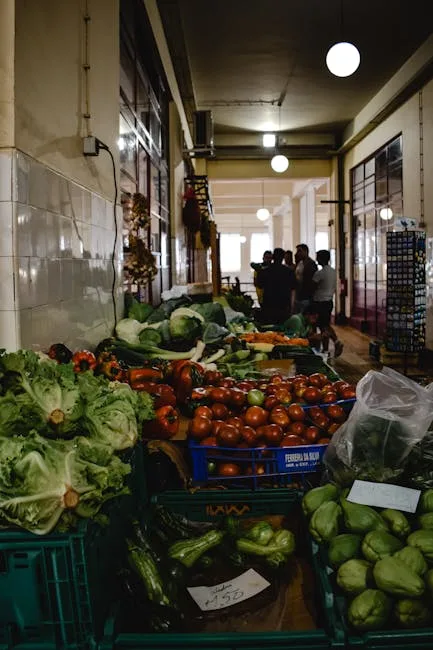
Mercado do Bolhão — Rua Formosa, 214, 4000-252 Porto. A historic covered market where several stalls sell fruits, vegetables and artisanal products. Hours: generally 07:00–17:00 Tuesday to Saturday. Prices: fresh veg €1–4/kg depending on season, vegan snacks at stalls €3–7. Tip: ask stallholders « têm tofu ou tempeh? » to find plant-based protein.
-
Ao 26 Vegan Food Project — Rua de Passos Manuel 178, 4000-382 Porto. Popular vegan restaurant. Hours: 12:00–15:00 and 19:00–22:30 (check reservations). Main dishes: €8–12, desserts €3–5. English-speaking staff are common; ideal for practicing phrases. Example order: « Quero o prato do dia sem pão, por favor. »

-
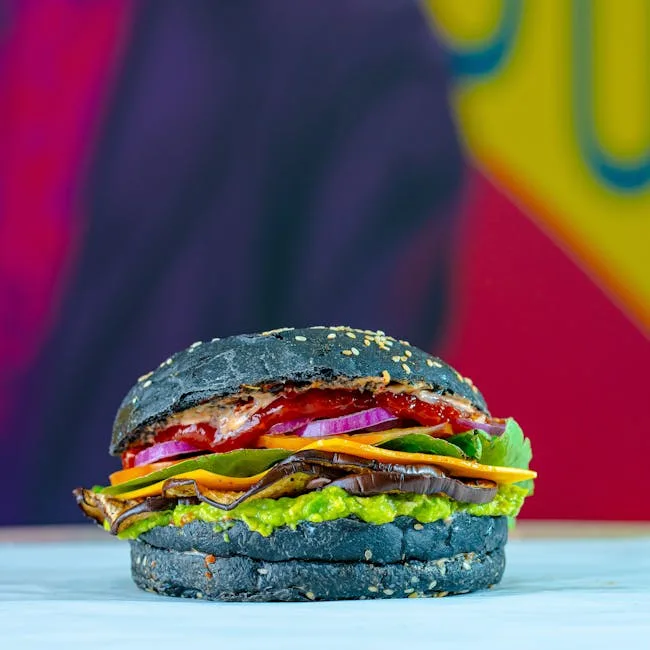
Black Mamba – Vegan Burger — Rua das Flores 135, 4050-260 Porto. Food truck / restaurant specializing in vegan burgers. Hours: 12:00–22:00, sometimes closed on Mondays. Burgers €6–9, fries €2–3. Ask « pode ser sem maionese? » or « sem queijo vegano, por favor », depending on your preference.
-
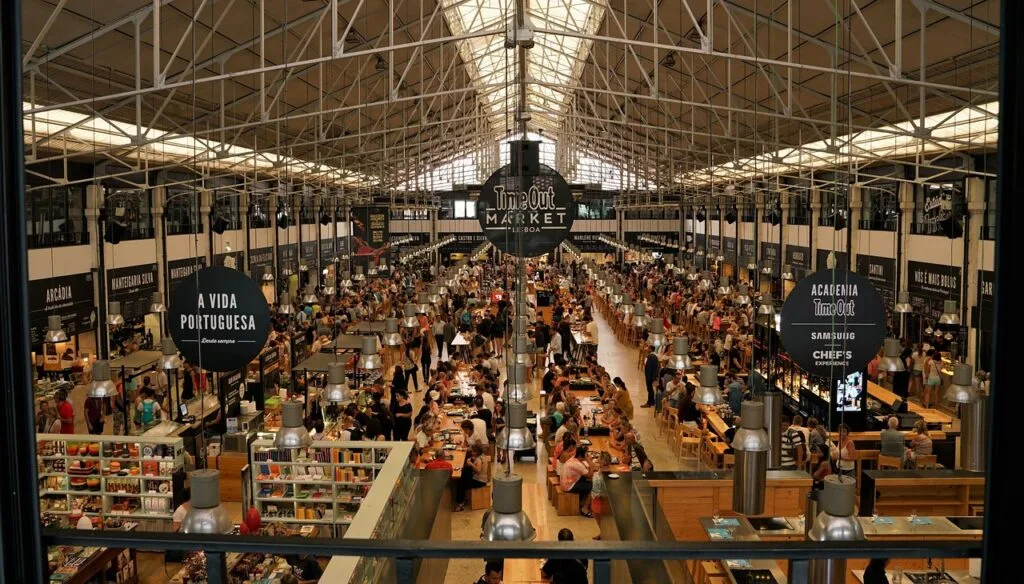
Mercado Bom Sucesso — Praça do Bom Sucesso, 80, 4150-145 Porto. A food hall with stalls where you can find bowls, salads and vegan dishes. Hours: 10:00–23:00. Prices: bowls €6–10, vegan coffees €1.5–3. When ordering, say: « Sem ingredientes de origem animal, por favor. » to avoid surprises.
Practical tip: for health food stores, look for « Celeiro Porto » (check local address) where labels often indicate if a product is « vegan » or « isento de produtos animais ». If in doubt, use the phrase: « Isto é vegano? » and show the label.
Advanced vocabulary and phrases for tricky situations
Some terms can cause misunderstandings if not used correctly. Here’s an advanced glossary and phrases to handle complicated situations (hidden sauces, shared fryers, desserts with gelatin).
- Gelatin — « gelatina »: ask « A sobremesa tem gelatina? » (Does the dessert contain gelatin?)
- Natas (cream) — « natas »: widely used in sauces; always check with « A sopa/molho tem natas? »
- Caldo (stock) — « caldo »: often made from fish or meat. « O caldo é de peixe ou carne? »
- Shared fryer — « fritura partilhada »: to avoid cross-contamination say « É fritado em óleo partilhado com peixe? »
- Cheese — « queijo »: Portuguese people often add cheese to salads and bread. « Tem queijo neste prato? »
- Honey — « mel »: sometimes used in desserts. « A sobremesa tem mel? »
Tricky situations and recommended responses:
- If the server says « o prato tem ovo na massa » (the dish has eggs in the dough): reply « Pode fazer sem massa, com arroz ou batatas? »
- If they say « o peixe dá um sabor especial » (the fish gives a special taste) about a stock: ask « Posso ter o prato sem caldo e com um substituto vegetal? »
- If they offer a vegetarian option but not vegan: clarify « Vegetariano significa que tem ovos ou queijo? »
Language tip: the word « vegan » is increasingly understood, but pronouncing « vegano/vegana » correctly speeds recognition. Insist politely but firmly on « sem produto animal » if you have a serious allergy or intolerance.
Printable checklist and step-by-step actions before and during ordering
Use this checklist as a quick card to keep on your phone. It guides you step-by-step, from choosing a spot to the final confirmation of your dish. Follow these steps to reduce the risk of misunderstandings.
- Before you go: note 6 key phrases (I am vegan; Is it vegan?; Without milk/eggs/fish; Can we replace?; I am allergic; Thanks). Have them written in Portuguese on your phone.
- Choose the place: favor the venues listed above or restaurants marked « vegan » on Google Maps. Check hours and call if needed (say: « Posso falar sobre opções vegan? »).
- When ordering: as soon as the server arrives, say: « Eu sou vegano(a). » then ask « Este prato é vegano? » — don’t assume.
- Check hidden ingredients: always ask about stock, sauce, fryer and bread using the provided phrases. For extra safety: « Pode escrever os ingredientes, por favor? »
- Ask for substitutions: suggest simple swaps (rice, potatoes, grilled vegetables). Phrase: « Pode substituir por arroz/legumes grelhados? »
- Confirm separate prep: if possible ask « Pode cozinhar separado? » to avoid cross-contamination.
- When the dish arrives: visually check it. If in doubt, ask immediately: « Tem queijo/ovo ou peixe neste prato? »
- Payment and thanks: say « Muito obrigado(a) » and if service was good leave a modest tip (5–10% is appreciated but not mandatory).
Compact checklist to keep on your phone:
- Eu sou vegano(a).
- Este prato é vegano?
- Tem leite/manteiga/ovo/peixe?
- Sem produto animal, por favor.
- Pode cozinhar separado?
- Substituir por arroz/legumes?
Local tips and cultural tricks — blend in and make the most of your meals
Porto locals appreciate politeness and clarity. Here are local tips to smooth interactions, avoid misunderstandings and enjoy Portuguese food in vegan form. These tips have been tested by travelers and locals in the historic center and popular neighborhoods like Cedofeita and Foz do Douro.
- Smile and open with a greeting: start with « Boa tarde » (Good afternoon) or « Bom dia » (Good morning). Then say « Eu sou vegano(a). » Servers are usually happy to help.
- Avoid the word « vegetariano » if you want zero animal products: many « vegetarian » dishes include eggs or cheese. Say « vegano/vegana » for clarity.
- Mention allergies: if you have allergies (e.g. soy, nuts), say « Sou alérgico(a) a nozes/soja » — this gets extra attention.
- Learn « por favor » and « obrigado/obrigada »: politeness makes modifications easier.
- Spot safe dishes: composed salads (without cheese), potato, rice, grilled vegetables, and some legume soups (« sopa de legumes », « sopa de lentilhas ») are often vegan if you confirm there’s no natas or animal stock.
- Try breakfast: for a vegan breakfast choose « pão com tomate e azeite » (bread with tomato and olive oil) instead of butter. Ask « sem manteiga. »
- If all else fails: find a supermarket (Pingo Doce, Continente) or a café with vegan options; use apps like HappyCow to quickly locate alternatives.

Conclusion — Eating vegan in Porto with confidence (summary and final tips)
Porto is becoming increasingly welcoming for vegan visitors, but the key to success is clear and polite communication. This guide gave you instant phrases, sample dialogues, a ready-to-use checklist and a few useful addresses to start exploring the city with confidence. Learn to say « Eu sou vegano(a) » as soon as you arrive, use our checks for stocks and sauces, and keep the checklist on your phone for each meal.
Remember: most servers want to help. Showing the written phrase, staying courteous and offering simple substitutions will save time and win smiles. Markets like Mercado do Bolhão and food halls like Bom Sucesso are perfect places to buy fresh produce and find flexible stalls. The listed addresses (Ao 26, Black Mamba) are reliable starting points for a guaranteed vegan meal. Finally, stay pragmatic: if a dish can’t be made vegan, ask for a simple alternative — rice, grilled vegetables and potatoes are your best allies.
Have a great trip and enjoy your meals in Porto: with these phrases and tips, you’ll be able to savor the alleys, markets and restaurants without compromising your diet. Take this guide, practice three or four phrases beforehand, and you’ll see ordering vegan in Portuguese become second nature. E não se esqueça: « Muito obrigado(a) » for the kindness you receive — and enjoy every bite!