





Introduction: Why a museum route to understand Porto
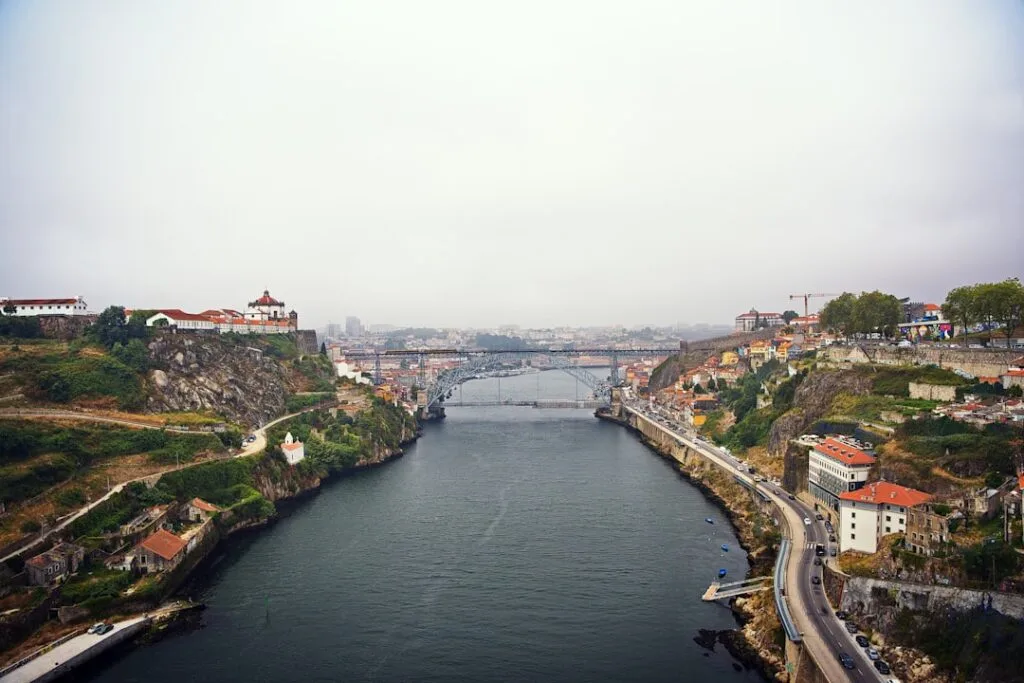
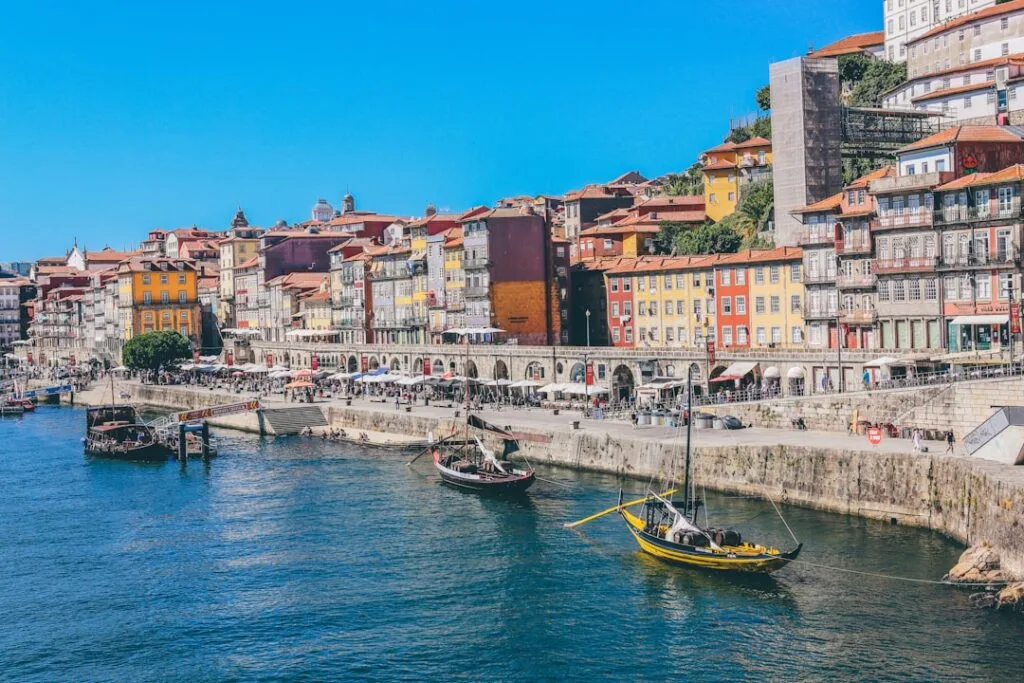
Porto is a city you read through its stones, its riverbanks and its collections. Beyond the Ribeira quays and the cellars of Vila Nova de Gaia, the North Portuguese capital hosts a constellation of museums and cultural sites that tell its maritime, industrial, artistic and popular stories. A museum route in Porto is not just about walking through exhibition rooms: it’s about plotting an itinerary that ties architecture, the urban landscape and collective memory together. By following seven curated stops — each focused on a specific place — you’ll gain a clearer sense of how Porto was built, how it transformed, and how it tells its own tale today.
This practical guide, aimed at curious visitors who don’t have endless time, offers a balanced selection: from national institutions to small neighborhood museums, and thematic sites that explain trades, maritime routes and local artistic practices. Each stop includes practical info (exact address, opening hours, prices in euros), an immersive description of the collections and the space, plus local tips to make the most of your visit — for example the best time to avoid crowds, which museum pairs well with a nearby café or park, and money-saving tricks for tickets.
Understanding Porto through its museums means going beyond the usual tourist highlights to dive into less visible narratives: everyday objects, ship models, modernist works, electric trams that shaped urban mobility, or archives documenting industrial growth. This museum walk is designed to be doable on foot or by public transport, mixing indoor visits with pauses at emblematic outdoor sites. The chosen museums span a wide time range — from the Middle Ages to contemporary production — and let you approach Porto from complementary angles: political and commercial history, visual arts, urban design, sports culture and popular memories.
Before you start, a few general tips: book skip-the-line tickets for the busiest museums and check official websites because local holidays can change opening hours. Wear comfortable shoes — Porto demands hill climbs and cobbled calçadas — and bring a bank card: many places offer discounts for online purchases, students and seniors. Finally, leave some time between visits to enjoy spontaneous Douro viewpoints and sample local food in small neighborhood restaurants. Here are the seven steps to understand Porto, each with practical details and local anecdotes.
1. Museu Nacional Soares dos Reis — The story of romantic and academic Portugal
Name: Museu Nacional Soares dos Reis
Address: Rua Dom Manuel II 44, 4050-346 Porto, Portugal
Opening hours: Tuesday to Sunday 10:00–18:00 (closed Monday). Last entry 17:30.
Price: Full price €5.00; reduced €2.50 (students, seniors); free on the first Sunday of the month.
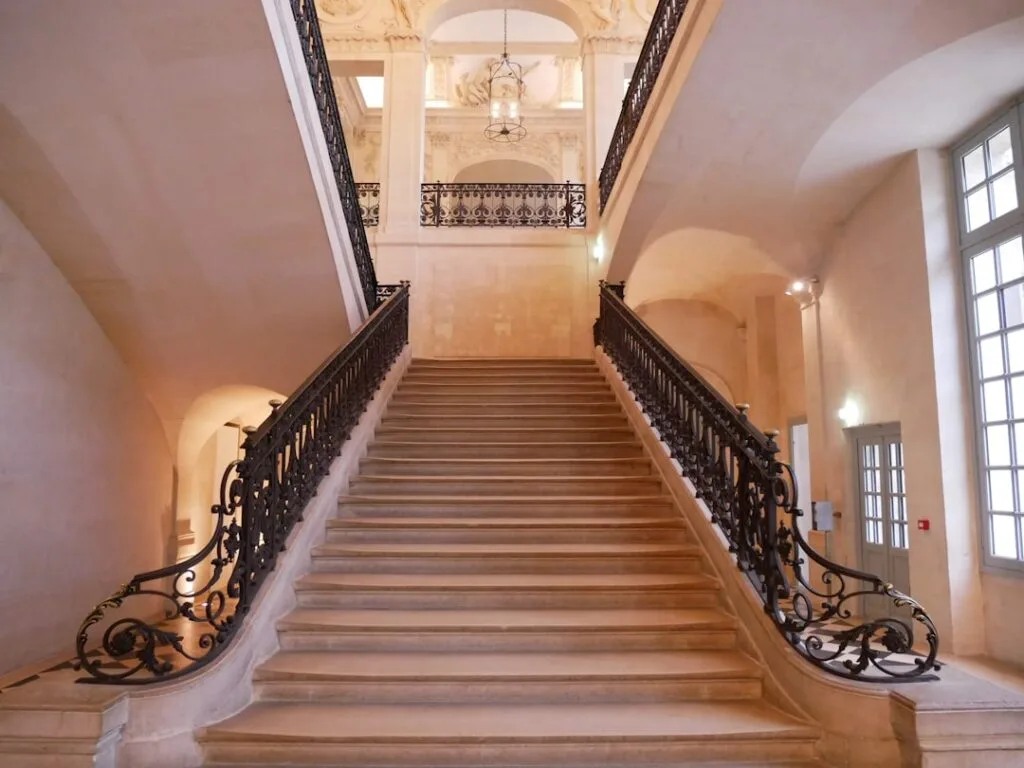
Housed in the Carrancas Palace, the Museu Nacional Soares dos Reis gathers collections that trace Portuguese art from the 18th and 19th centuries into the early 20th-century modernities. From the moment you enter, you feel the atmosphere of an aristocratic home: stone staircases, decorated salons and cabinets of curiosities. Academic paintings give way to sculptures by Soares dos Reis — the museum’s namesake and a key sculptor — alongside a rich selection of faience, glass, furniture and jewelry. The rooms devoted to romantic and naturalist painting help you grasp the aesthetic debates that crossed post-Napoleonic Portugal.
What makes the visit especially insightful is the sequence of themes: decorative arts, portraiture, landscape and sculpture converse to present a coherent picture of the tastes of an urban ruling class. Labels are in Portuguese and English, and audio guides (often available at the desk for €3.00) let you explore major works with contextual commentary. Around the palace, the gardens offer a welcome break; in summer they become a pleasant strolling space with views over the historic center.
Local tips: arrive early in the morning to enjoy the quietest rooms, then head down to Cedofeita Street for a coffee. The free first Sunday draws local families — if you prefer a more specialist crowd, pick another weekday. For photographers, palace interiors provide striking compositions — don’t forget to switch off your flash.
2. Fundação de Serralves and Serralves Museum — Contemporary art and landscaped park
Name: Fundação de Serralves — Museu de Arte Contemporânea
Address: Rua Dom João de Castro 210, 4150-417 Porto, Portugal
Opening hours: Wednesday to Monday 10:00–18:30; closed Tuesday. Park: 10:00–20:00 in season (check seasonal hours).
Price: Museum + park €18.00; Museum only €12.00; reduced €8.50 (students, >65); children <12 free.
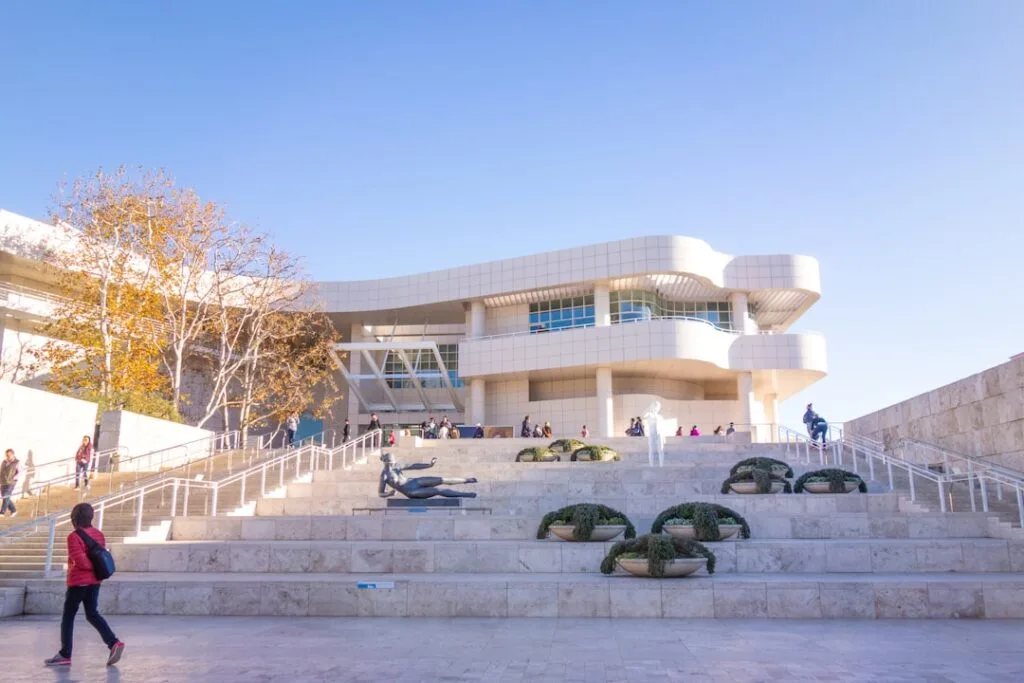
Fundação de Serralves is one of Porto’s flagship cultural sites: a contemporary art museum designed by architect Siza Vieira, set within an extensive landscaped park and featuring an Art Deco villa (Casa de Serralves). The contrast between the museum’s modern lines and the park’s gentle geometry makes the visit sensory: contemporary works in light-filled galleries followed by immersion in structured gardens, groves and water features. The museum stages international temporary shows and maintains a permanent collection focused on Portuguese and European art from the 20th century to today.
The ideal visit combines the temporary exhibition (allow 1–2 hours), a walk through the park (minimum 45 minutes) and the Casa de Serralves (guided visit recommended). The park, initially designed by Jacques Gréber and adjusted over decades, is a spectacle in itself: tree-lined avenues, outdoor sculptures and a heritage kitchen garden. Audio guides and thematic guided tours are regularly available to deepen the dialogue between architecture, landscape and contemporary art.
Local tips: book tickets online to avoid weekend lines and give yourself time for lunch at the museum café, often stocked with local produce. If the weather is good, plan your visit for late afternoon to enjoy soft light on the outdoor sculptures. For landscape photographers, the perspective from the central lawn toward the Casa de Serralves is a must.
3. Casa do Infante and City Museum — Medieval roots and commercial memory
Name: Casa do Infante / Museu da Cidade do Porto
Address: Praça do Infante D. Henrique, 4050-295 Porto, Portugal
Opening hours: Tuesday to Sunday 10:00–18:00; closed Monday. Last entry 17:30.
Price: Full price €4.00; reduced €2.00 (students, >65); free Sunday afternoons.
Sitting on one of Porto’s most historic squares, Casa do Infante occupies the site of a medieval house linked to port activities and fiscal administration. The museum underscores the idea that Porto has always been a city oriented toward trade and the sea: ship models, artifacts from customs operations, maritime archives and everyday objects testify to a port city in constant interaction with the Atlantic. The permanent exhibition also explores the city’s topography and the transformations of the built fabric, connecting the façades you see on the street to the functions that animated these buildings for centuries.
The museography favors multimedia supports: interactive maps, sound reconstructions and archival documents. A section dedicated to archaeological excavations displays remains of the medieval city, while another examines the impact of trade routes on Porto society. For visitors who like to walk, the museum is a great starting point for a stroll through the Ribeira area or toward Mercado Ferreira Borges.
Local tips: pair the visit with a coffee break on Praça do Infante — study the building façades and the uneven cobbles that tell the city’s evolution. Avoid the middle of the weekend if you want to read labels in peace; afternoons sometimes draw school groups. If you need a combined ticket, ask at reception: the city occasionally offers discounts for multiple municipal institutions.
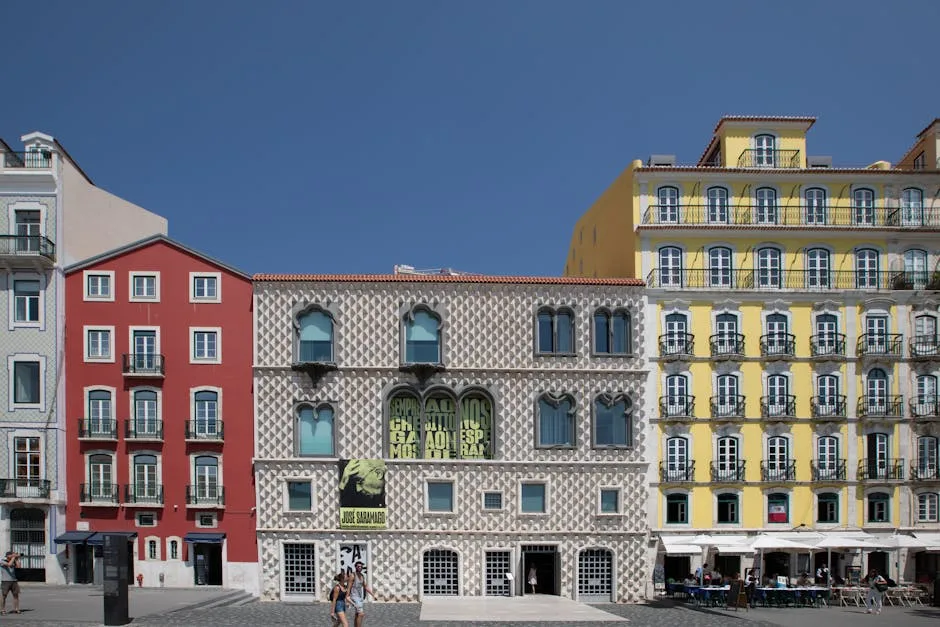
4. World of Discoveries — The explorers’ story in an interactive immersion
Name: World of Discoveries — Interactive Museum and Theme Park
Address: Rua de Miragaia 106, 4050-387 Porto, Portugal
Opening hours: Every day 10:00–18:30 (extended hours in summer and during school holidays).
Price: Full price €19.00; reduced €14.50 (children 4–12); children <4 free. Family tickets available (check website for offers).
World of Discoveries is an interactive museum-theme park devoted to the Portuguese Age of Discovery. Located on the Douro riverside, it offers immersive routes where scenography, 360° films, models and interactive displays place visitors in the role of navigator, cartographer or merchant. The emphasis is on the global impact of maritime voyages: trade exchanges, cultural encounters, but also colonial consequences. The tone is educational without being dull, making it an ideal visit for families and school groups.
The visit unfolds in several stages: ship reconstructions, crew quarters, the navigation room, then scenes showing African, American and Asian stops. Tactile displays let you inspect navigation instruments and old maps, while sometimes costumed guides run workshops. Temporary exhibitions add contemporary perspectives on navigation and ethnography.
Local tips: pair this visit with a walk along the Douro and a taste of petiscos in a nearby restaurant. Buy tickets online and check the schedule for children’s workshops if you’re traveling with family. Nearby buildings also offer viewpoints over the bridges crossing the river — perfect for sunset photos.
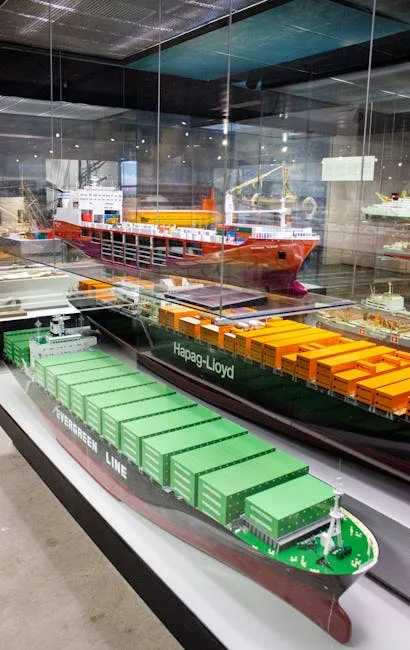
5. Museu do Carro Eléctrico — The story of urban mobility in Porto
Name: Museu do Carro Eléctrico
Address: Rua Infante D. Henrique 80, 4050-297 Porto, Portugal (on the Vila Nova de Gaia/touristic side) — check exact location by season as vehicles can be moved for temporary exhibitions.
Opening hours: Tuesday to Sunday 10:00–17:00; closed Monday. Some vehicles run according to a seasonal service calendar.
Price: Full price €4.00; reduced €2.00 (children and students); guided group tours by reservation.
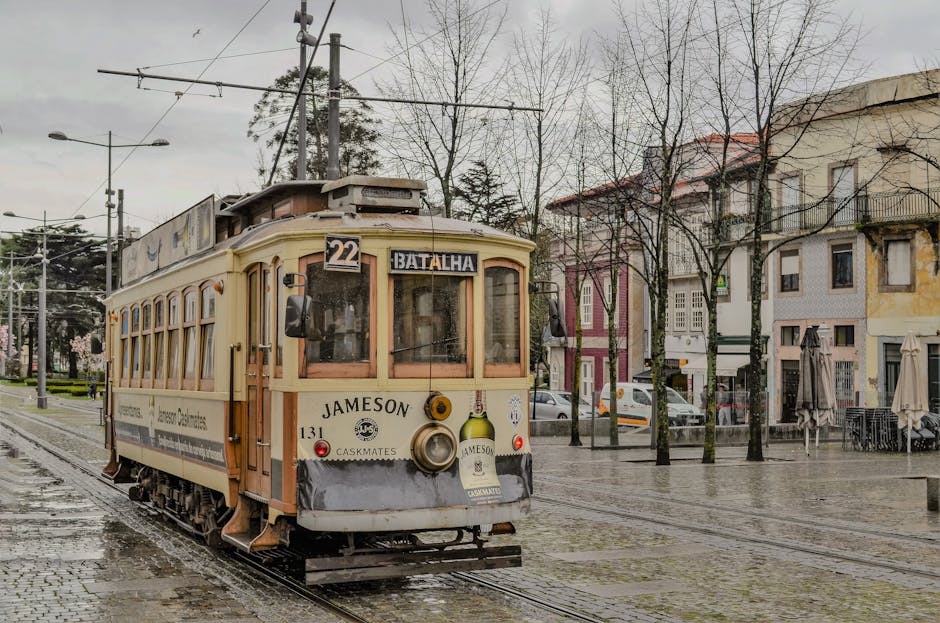
The Museu do Carro Eléctrico traces the evolution of Porto’s tram and omnibus network, showing how mobility shaped the city’s layout. The collection includes restored vintage cars, technical documents, line maps and historic control posts. Fans of industrial design and urban engineering will enjoy the detailed presentation of motors, track systems and technological changes that adapted transport to Porto’s characteristic slopes.
Beyond the technical aspects, the museum tells everyday stories: commuting, summer rides along the river, and the role trams played in social life. Reconstructed cabins with mannequins, vintage adverts and period photographs bring the visit to life. Occasionally some vehicles are put back into service for heritage rides, providing a hands-on experience — check the schedule to take advantage of these historic trips.
Local tips: if possible, time your visit for a day when a heritage car runs — the feeling of riding on historic rails is memorable. Bring a jacket — older vehicles can be cool inside — and ask staff for local anecdotes about lines that no longer exist. The museum is a great stop when exploring the quays and helps explain the city’s topography.
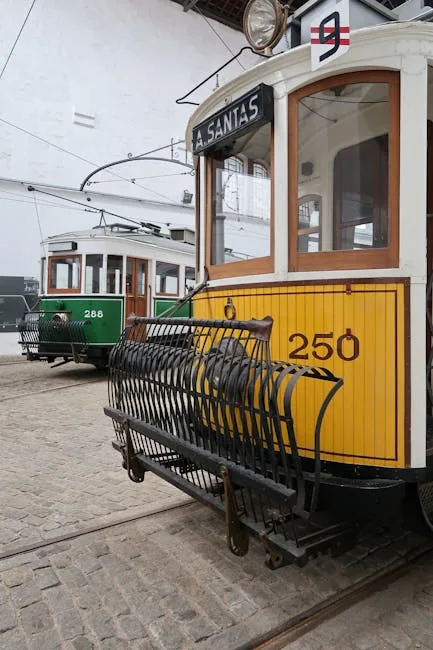
6. FC Porto Museum and Estádio do Dragão — Sport history and contemporary identity
Name: FC Porto Museum (Museu do FC Porto)
Address: Via Futebol Clube do Porto, 4350-415 Porto, Portugal (Estádio do Dragão)
Opening hours: Museum open daily 10:00–18:30; stadium tours and ticket office depend on match schedule. On match days, hours may change.
Price: Museum + stadium tour €17.00; museum only €10.00; reduced €12.00 (students); children <5 free. Family packages available.
The Museu do FC Porto is more than a sports museum: it explores the intimate relationship between the city and its club, showing how modern football and local identity intertwine. Trophy displays, historical videos, iconic shirts and player testimonies tell the club’s story from its founding in 1893. The stadium tour complements the museum, granting access to behind-the-scenes areas — locker rooms, the players’ tunnel, suites and panoramic views of the pitch. For many Portuenses, the club is a central part of community life, and the visit helps explain how local values (resilience, competitiveness) are put on display.
The museum offers interactive activities for children, temporary exhibitions on landmark seasons, and shops selling official shirts and souvenirs. Guided tours in English are frequent and often included in the combined ticket price. If you love sport, experiencing a match at the Dragão is unparalleled but requires advance booking.
Local tips: check the match calendar before planning your visit, as stadium access can be restricted. The museum is easy to reach by metro (Estádio do Dragão station). For a local immersion, eat at a small restaurant near the stadium after your visit — often frequented by supporter families and serving affordable Portuguese specialties.
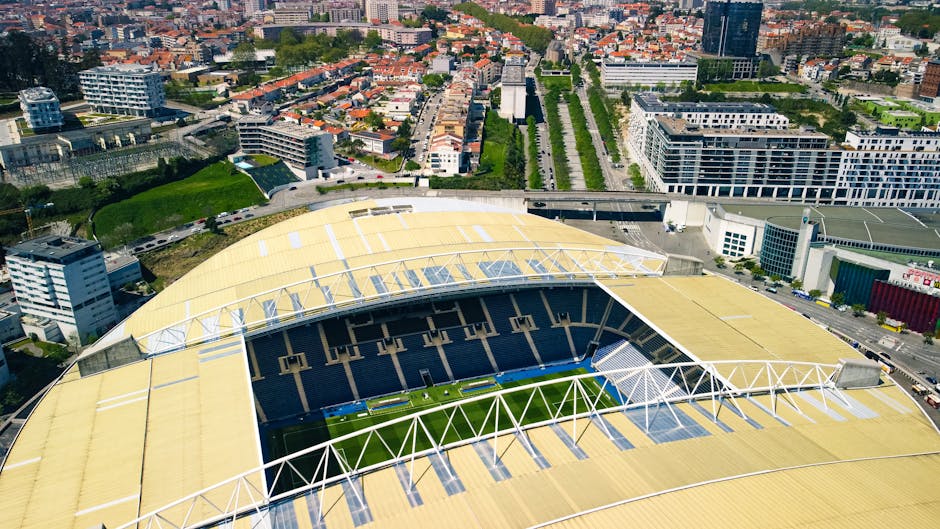
7. Museu do Papel e Imprensa / Museu do Porto — Niche museums and industrial memory
Name: Museu do Papel e Imprensa (Museum of Paper and Printing) — alternatives: Museu do Porto (small municipal collections and temporary exhibitions)
Address: Museu do Papel e Imprensa — Largo São Domingos 74, 4050-545 Porto, Portugal (check for traveling exhibitions); Museu do Porto (various municipal locations, refer to Câmara do Porto website for programming).
Opening hours: Variable by exhibition; typically Tuesday to Sunday 10:00–18:00.
Price: Full price €3.50; reduced €2.00; combined rates possible depending on programming.
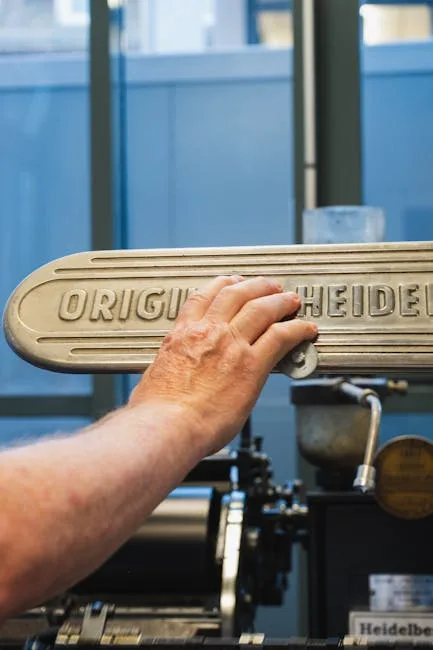
Specialized museums like the Museu do Papel e Imprensa offer an original take on Porto’s industrial and cultural history: printing, the press, the spread of information and paper production. Collections include historic printing presses, type matrices, proofs and posters, arranged in displays that explain the printer’s role in shaping public opinion and spreading knowledge in Portugal. The museum shows how reproduction techniques helped modernize Porto society in the 19th and 20th centuries.
Visiting a specialist museum also lets you discover trades that have disappeared or evolved: bookbinders, typesetters, engravers. Hands-on workshops often let visitors print a souvenir page on an old press — a popular activity for families. Meanwhile, the traveling exhibitions of Museu do Porto — organized by the city — reflect a local commitment to documenting varied themes: trades, neighborhoods, family histories. They round out a historical reading of the city, especially for those who want to go deeper into specific subjects.
Local tips: check out workshop schedules — they fill up fast — and favor a weekday visit if possible. Combine this stop with a walk through a rehabilitated industrial neighborhood, where old factories and warehouses have been turned into cultural spaces and cafés. And if you love old books, browse the specialized bookshops in the historic center after your visit.
Conclusion: Piecing together Porto’s story through its museums
This seven-stop route provides a museum map diverse enough to grasp Porto’s many facets: art and design (Serralves), history and heritage (Museu Nacional Soares dos Reis, Casa do Infante), interactive experiences (World of Discoveries), industrial memory (Museu do Papel e Imprensa), urban mobility (Museu do Carro Eléctrico) and contemporary identity through sport (Museu do FC Porto). Each museum adds a piece to the puzzle — technical, aesthetic, social — and helps link the place names and façades you see around town to deeper narratives.
To get the most from this route, plan visits around opening days and times, book online when possible to skip queues, and prioritize mornings for the busiest museums. Alternate indoor visits with outdoor breaks: Porto also reveals itself in viewpoints and along the Douro. If you’re short on time, pick two or three stops that match your interests: contemporary art (Serralves), naval history (World of Discoveries) and local identity (Casa do Infante or Museu do FC Porto) make a particularly revealing trio.
Remember that museums are living places: temporary exhibitions, educational programs and restoration projects constantly rotate. Check official sites before each visit to confirm addresses, hours and prices (information can change with seasons and events). Don’t hesitate to talk with museum staff — curators and mediators love sharing anecdotes and local recommendations that don’t always appear on official pages.
Follow these seven steps and you’ll have experienced Porto from a rich, well-documented angle. You’ll better understand how the city shaped its cultural institutions, how it stages its history and how Portuenses invent a daily identity that blends tradition and modernity. Enjoy your visits, and stay open to surprises: Porto often reveals itself in the details — a shop window, a tramcar, a painting hung on a stairwell — which, strung together, tell the city’s soul.