



Introduction — Meeting Porto’s Fado Voices
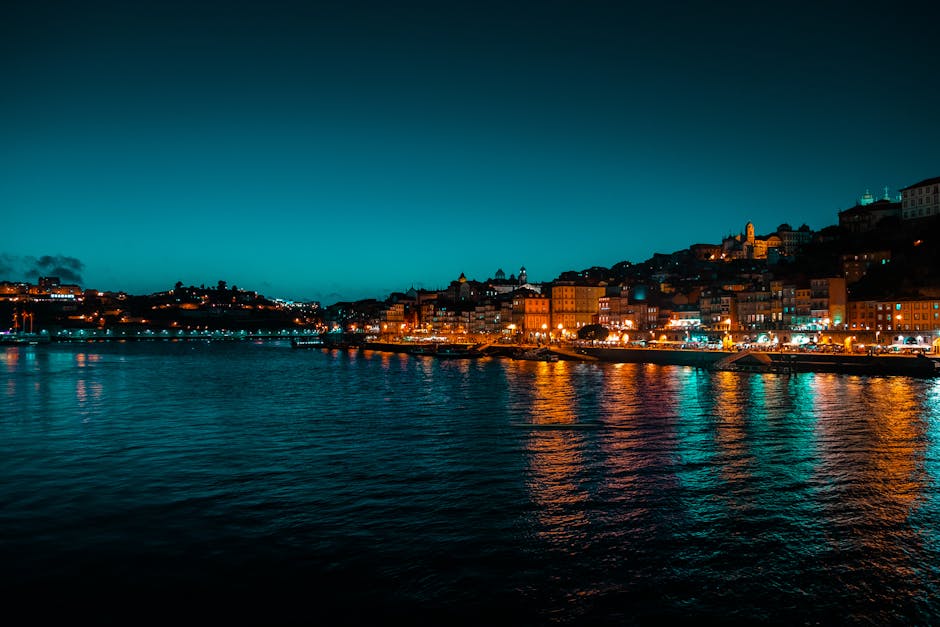
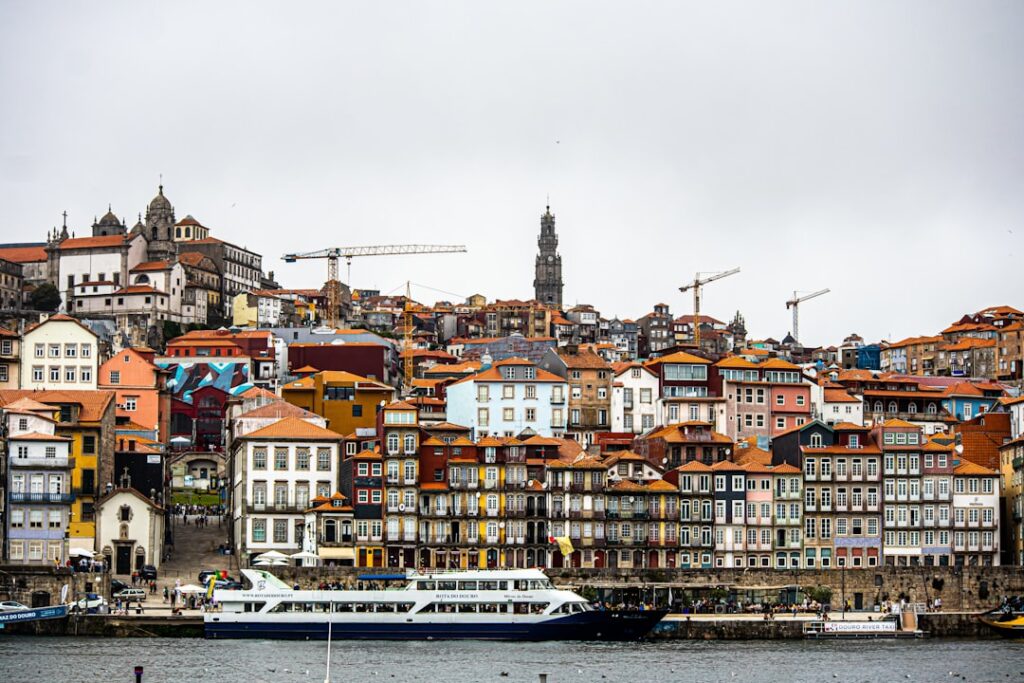
Porto is a city of contrasts where centuries-old stones tell stories and the golden light of the Douro flatters every alley. Among the most intimate and emotional expressions of Portuguese culture, fado holds a special place. Born in Lisbon but embraced, adapted and cherished in the north, fado in Porto unfolds in deep, cozy houses, historic cafés and small clubs where the closeness between performer and audience creates an almost sacred experience. This guide is designed to immerse you in that atmosphere: it profiles the city’s most emblematic venues, introduces local and national artists who shaped Porto’s reputation, gives exact addresses, schedules, prices and practical tips so you can fully enjoy each performance.
Unlike standardized tourist shows, Porto’s casas de fado often keep a raw authenticity — places where songs tell of love, saudade and the sea, performed in styles that can be strictly traditional or tinged with contemporary elements. The artists who sing fado in Porto are mostly voices who grew up with this repertoire: some are solo singers accompanied by the Portuguese guitar and a classical guitar, others perform with fuller ensembles. You’ll find emerging young voices ready to renew the genre alongside seasoned masters who have studied Lisbon and northern styles.
This guide is aimed at a wide audience: curious music lovers, travelers hunting authenticity, or casual strollers who want to turn an evening in Porto into a cultural immersion. You’ll find practical sections (timetables, entrance fees, exact addresses), immersive descriptions of each casa’s vibe, artist and song recommendations for live listening, and local tips for booking, arriving and respecting fado etiquette. The suggestions cover houses in historic neighborhoods like the Ribeira, the Baixa and Cedofeita, as well as newer venues that have refreshed the tradition.
Fado in Porto is experienced with ears and with the senses: the wood of the shelves, the varnish on the guitars, the scent of Port served at the end of a recital, the hush of the audience holding its breath during a suspended phrase — all part of the experience. By giving addresses, prices and schedules, I also want to provide keys to enter these spaces while respecting the form and spirit of fado. You’ll learn how to arrive, when to speak, how (or whether) to take photos, and even how to choose between a strictly formal evening and a more informal, festive performance.
Finally, note that practical details like prices and schedules can change: many casas adapt their programming according to tourist seasons, local festivals (like São João), or artist tours. I therefore recommend checking online or by phone before you go; nevertheless, the addresses and artist selection presented here make a solid base for planning your vocal and coastal immersion in Porto.
The Ribeira and Baixa: Historic, Intimate Casas
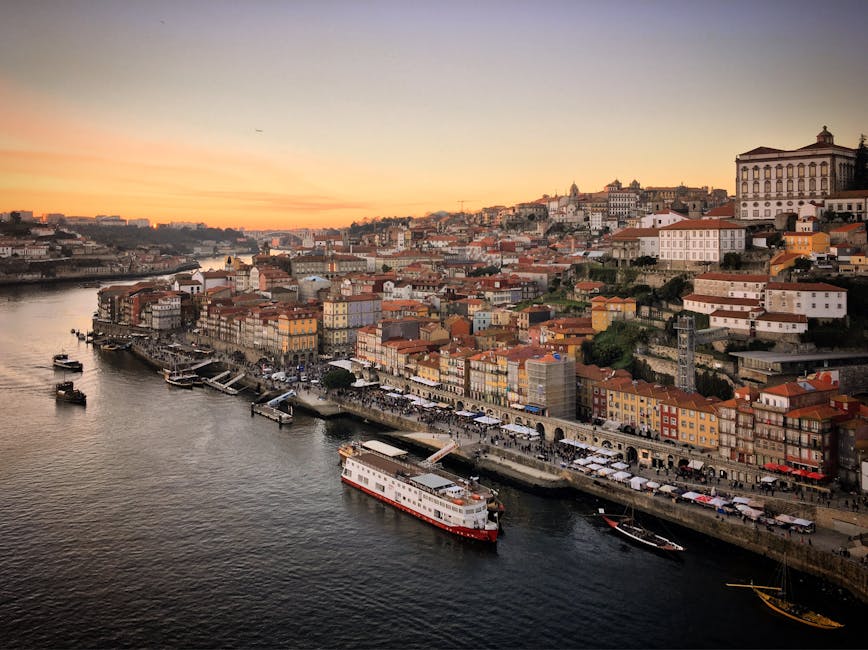
The Ribeira, a UNESCO World Heritage area, is a must-visit for anyone wanting to feel the city. It’s also home to some of the most intimate fado houses: small rooms, stone walls, tightly packed tables and candles. These venues offer a rare closeness between singer and audience — you can see sweat on the neck of the Portuguese guitar, hear the singer’s breath before a soaring phrase. That sense of intimacy is an integral part of the fado experience.
Among the most representative houses are spaces that also serve food: the dinner + show combo is common. Expect to pay a cover that sometimes adds to the menu. Showtimes vary: most performances start early in the evening (around 8:30–9:00pm) and run in two sets, with a break between them for service and to give musicians time to recover. Prices can range from about €10 to €35 for the concert alone, and €25 to €60 for a dinner + show package depending on the venue’s level.
Here are some typical addresses in the Ribeira and Baixa — they give an idea of the mix and type of establishment, with usual price ranges and schedules:
- Casa do Fado da Ribeira (typical example) — address: Rua da Ribeira 23, 4050-513 Porto. Hours: shows every day, 8:30pm and 10:30pm. Price: concert €12; dinner menu from €28 per person. Description: small vaulted room, granite walls, around 40 seats. Tip: book at least 48 hours in advance during high season.
- Taberna do Canto (restaurant + fado format) — address: Rua das Flores 12, 4050-260 Porto. Hours: shows Thursday–Sunday, 8:30pm–11:00pm. Price: entry €15–20; dinner + show package €35–55. Description: seasonal menu, warm atmosphere and often a guest artist from Lisbon.
Local tips: arrive early, order a drink to settle in, and wait until the show starts before taking photos — some artists ask that no flash be used. If you want maximum intimacy, prefer Sunday or Monday performances, which are often less crowded and beautifully calm; avoid major festival nights when tourist turnout can change the authentic mood.
Iconic Casas and New Stages: Where to Hear the Big Voices
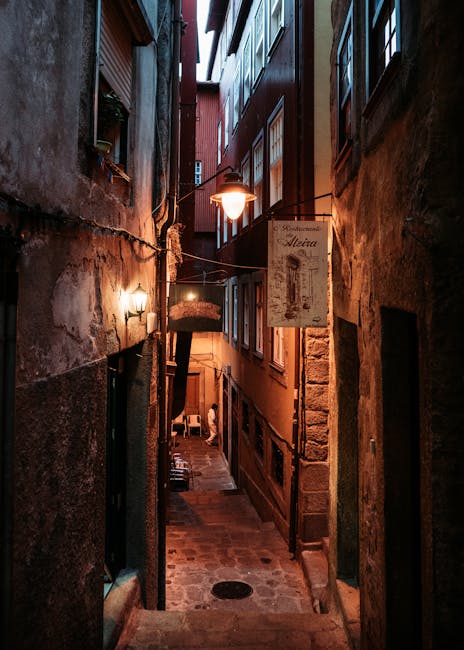
Beyond the small taverns, Porto also has more structured stages that regularly program fado concerts with recognized artists. These spaces often offer quality sound, greater comfort and the chance to see themed shows — tributes to fado masters, new composition programs, or intergenerational collaborations. They attract both locals and savvy visitors.
A few venues to know if you’re after established voices or scheduled concerts:
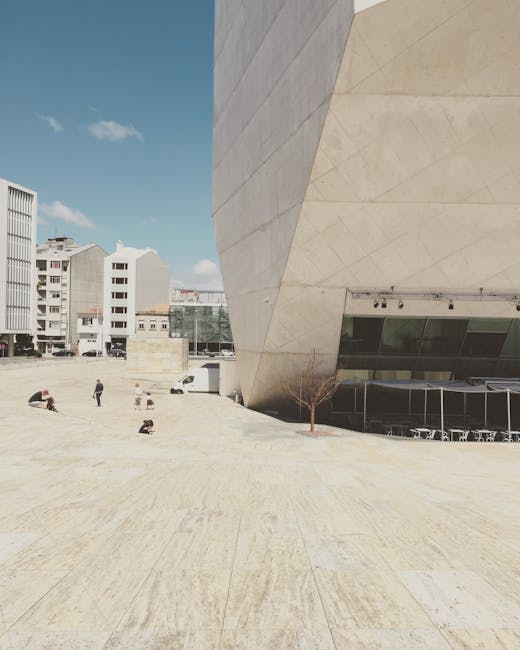
- Casa da Música — address: Avenida da Boavista 604-610, 4149-071 Porto. Box office hours: Tue–Sat 10:00am–6:00pm, Sun 10:00am–1:00pm (varies with programming). Price: tickets according to show, typically €10–40. Description: a modern hall designed by architect Rem Koolhaas, frequented by high-level artists. Casa da Música regularly offers fado nights, occasionally blended with jazz or contemporary music. Tip: check the online calendar (www.casadamusica.com) and book ahead; the fado shows here benefit from exceptional acoustics.
- Serralves — Fundação de Serralves (cultural programs) — address: Rua de Serralves 403, 4150-701 Porto. Exhibition/show hours: Tue–Sun 10:00am–6:00pm (concert schedules vary). Price: varies with programming (concerts €8–30). Description: although Serralves is a contemporary art center, it sometimes hosts cycles of traditional music including fado, often in an experimental setting with visual installations.
- Teatro Nacional São João — address: Praça da Batalha 4000-101 Porto. Box office hours: Mon–Sat 10:00am–7:00pm. Price: depends on the show (€15–40). Description: a historic theatre that occasionally stages fado concerts with theatrical presentation.
These larger venues let you discover national touring artists or contemporary reinterpretations of fado. If you want to hear renowned performers, check schedules at least a month in advance. For premium seats (center seats or boxes), tickets can exceed €40 for major events, but many high-quality concerts remain affordable (€10–25).
Practical tip: for a full experience, pair a concert with a visit to the venue — for example, spend an afternoon at Casa da Música and return for a fado night. The theatres often offer discounts for students and seniors; check at the box office or on the official site.
Artists and Voices to Know in Porto: Portraits and Listening Recommendations
Porto’s musical fabric is rich with diverse voices: traditional fado interpreters, singers exploring the new-scene fado, and guitarists reshaping accompaniment. Here’s a commented selection of artists (or artist types) you might look out for in the city — with listening and discovery tips.
- Local traditional vocalists — Description: singers who look to Lisbon for inspiration but retain a diction and phrasing unique to the north. They excel in narrative saudade: restrained delivery, minimal ornamentation, deep emotional intensity. Where to hear them: small casas in the Ribeira and bars in the Baixa. Listening tip: favor Coimbra fados and traditional cantigas.
- Contemporary interpreters — Description: young artists who rework fado with modern textures (double bass, cello, subtle percussion). They offer sets that can attract a broader audience while respecting the heart of the repertoire. Where to hear them: Casa da Música, alternative venues and some festivals. Listening tip: look for concerts labeled “fado novo” or “fado contemporary sessions.”
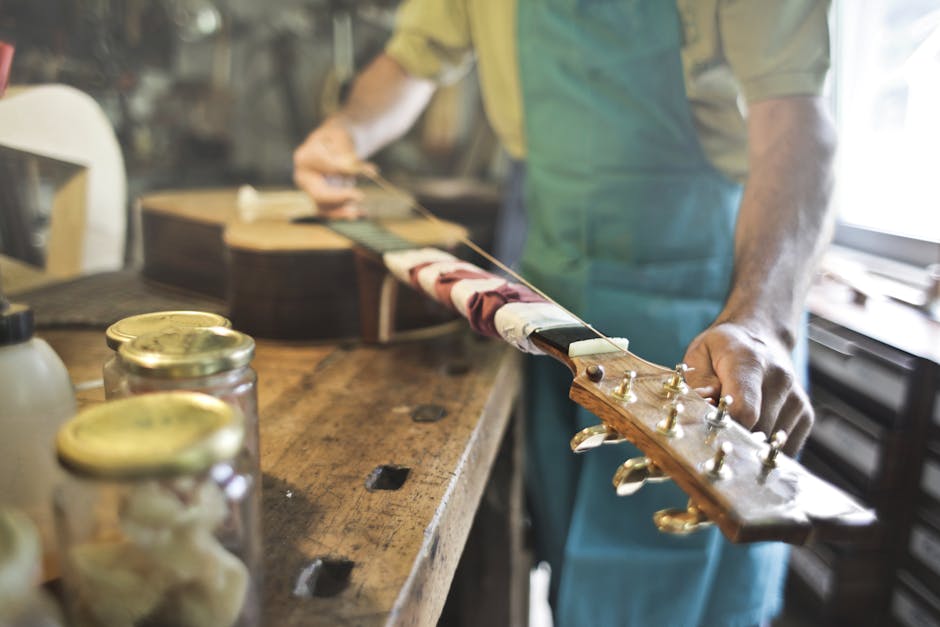
- Masters of the Portuguese guitarra — Description: accompaniment is central to fado; guitarists (guitarra) often steer the artistic dynamics. In Porto, several luthiers and local guitarists offer concerts and workshops (some give masterclasses). Where to hear them: specialized spaces and music workshops.
- Traveling and guest artists from Lisbon — Description: many Lisbon singers come to Porto for tours or residencies. Their presence lets you hear interpretations that are authentically Lisboan in a Porto setting. Where to hear them: well-established houses, high-end tourist restaurants, and cultural events.
If you want names to start your discovery on streaming platforms before your trip, search for contemporary Portuguese performers and “fado portugal live” compilations. Listening to these voices before your visit helps you recognize the nuances of a live set — how a note is sustained, the break in a phrase, the silence that follows a stanza. These elements are crucial to fully appreciating the performance.
Listening etiquette in the room: sit close to the stage if possible (front rows), avoid talking during pieces, and if you want to compliment an artist, wait until the end of the set or the break. In traditional casas it’s frowned upon to applaud between sections of the same fado; wait until the piece is finished. Finally, offering a cash tip directly to the artist after the concert is appreciated.
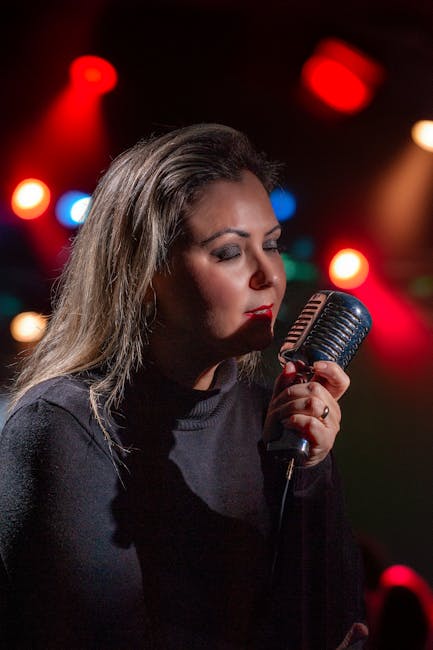
Logistics, Prices and Practical Tips for Planning Your Fado Night
To turn curiosity into a memorable evening, a few logistical rules and local tricks will save you headaches. Here are practical recommendations covering booking, prices, etiquette and access.
- Booking: Book in advance for popular houses and weekends. Online reservation platforms (venue sites, email or phone) are generally reliable. For a Saturday night in high season, plan 3–7 days ahead; during local festivals, anticipate several weeks.
- Typical prices: Cover (entry) only: €8–35. Dinner + show menu: €25–70 per person depending on level and number of courses. Drinks: glass of local wine €2.50–6, glass of Port €3–8. Tip: some places display a “consumo mínimo” (minimum consumption) instead of a cover — check when booking.
- Hours: Fado evenings often start between 8:00pm and 9:30pm; many houses stage two sets (first set around 8:30pm, second set around 10:30pm). Festivals or theatre concerts have specific schedules (typically early evening).
- Etiquette: Silence during performance, applause at the end of a piece, no flash photography; if you film, do it discreetly and without bothering others. Alcohol is accepted but stay respectful: fado is not a loud show but a shared, intimate experience.
- Access and transport: Central neighborhoods (Ribeira, Baixa) are easy to reach on foot from most downtown hotels. Main metro stations are São Bento (Praça da Liberdade) and Aliados; to get to Casa da Música take lines A, B, C, E or F to Casa da Música station. Taxis and ride-hailing services are common and affordable; for late returns check the metro’s last trains (often stop running around 1:00am on weekdays, later on weekends).
Local tip on spending: order a drink or a small plate before the show — it’s a way to support the casa, especially if the cover is low. If you’re in a group, try to reserve a table near the stage for a better immersion; some venues charge a small premium for these seats but the experience is often worth it.
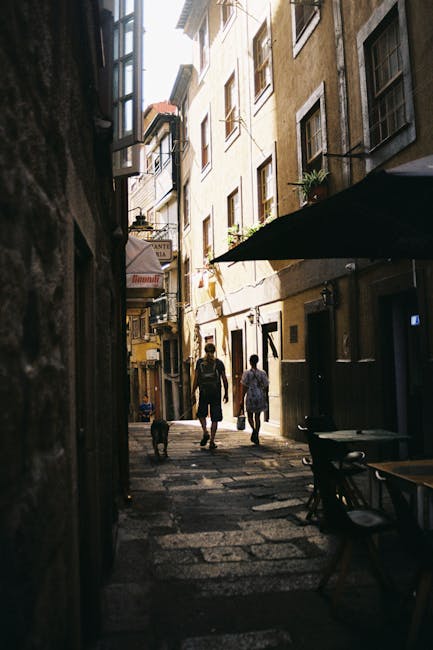
Recommended Routes: Sample Evenings Based on What You’re After
Depending on your mood and the time you have, here are three sample itineraries for a fado evening in Porto — from the most traditional to the most contemporary, plus a comfortable, theatrical option. Each suggestion includes an address and a practical timeframe.
-
Intimate traditional night (for purists) — Route: late-afternoon stroll along the Ribeira → dinner in a small casa de fado → intimate concert.
– Typical venue: a small riverside casa (example: Rua da Ribeira 23, 4050-513 Porto).
– Schedule: arrive 7:30pm, dinner 8:00pm, first set 9:00pm.
– Budget: €30–50 per person (dinner + concert).
– Atmosphere: exposed stone, candlelight, 30–50 people, natural acoustics.
– Tip: choose a local menu (cod, caldeirada or seasonal dishes) to complement the evening. -
Classic-meets-contemporary night (for the curious) — Route: visit Casa da Música in the afternoon → contemporary fado concert in the evening.
– Venue: Casa da Música, Avenida da Boavista 604-610, 4149-071 Porto.
– Schedule: visit 3:00pm–5:00pm, concert at 8:30pm.
– Budget: €25–50 per person.
– Atmosphere: controlled acoustics, crafted lighting, mixed instrumentation.
– Tip: check programming for fusion projects mixing fado with jazz or experimental music. -
Theatrical / event night (for show lovers) — Route: dinner in town → performance at Teatro Nacional São João or Serralves.
– Venues: Praça da Batalha 4000-101 Porto (Teatro São João) or Rua de Serralves 403, 4150-701 Porto (Serralves).
– Schedule: shows often at 9:00pm; dinner recommended around 7:00pm.
– Budget: €20–60 depending on seating and production.
– Atmosphere: staging, lighting, polished programming and sometimes bilingual notes (English commentary or program notes).
– Tip: book tickets and a table simultaneously if you want a smooth evening.
Whatever route you choose, leave room for spontaneity: some nights informal jam sessions form after the concert in a nearby bar where musicians trade tunes and the mood turns festive. These spontaneous moments often offer the most authentic encounters with local artists.
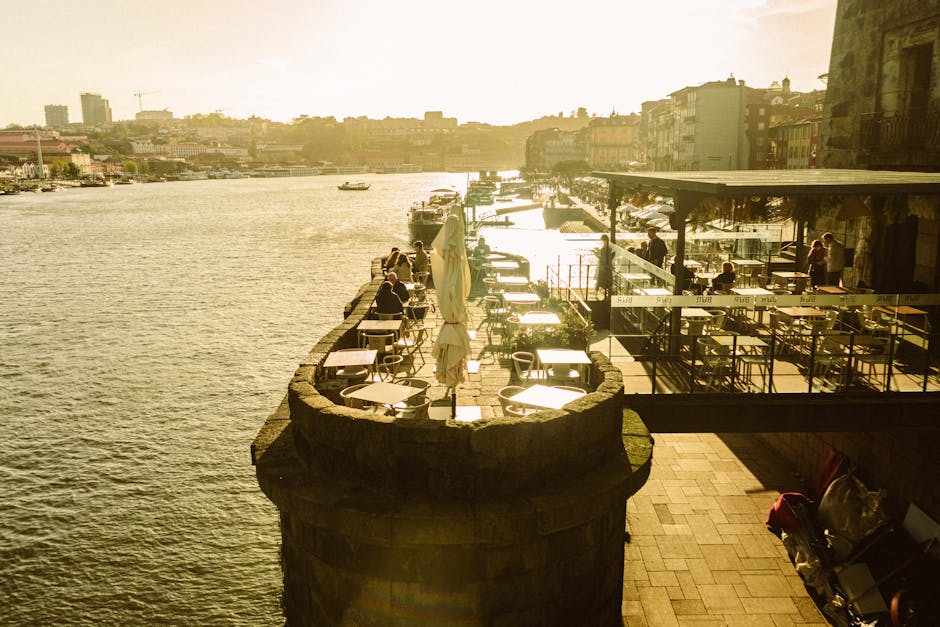
Conclusion — Taking Fado Home with You After the Night
Meeting Porto’s fado voices means allowing yourself to be led by a slow emotion, to be wrapped in tales of the sea, fate and longing. Porto’s casas de fado offer a range of experiences: from intimate recitals in a Ribeira tavern to polished performances in a theatre or concert hall, and through contemporary reinterpretations that revisit tradition. The addresses and tips in this guide aim to steer you clearly: book, arrive early, respect the etiquette and enjoy the proximity. Fado is experienced as much in what is sung as in the silence that follows a phrase — and that silence in Porto has the gentle density of the Douro at dusk.
After the show, a few gestures can prolong the experience: chat for a few minutes with the artists if the venue allows; buy a CD or leave a tip; note the singer’s or casa’s name so you can follow them on your next trip. For those wanting a more formal keepsake, most major venues (Casa da Música, Teatro Nacional São João) offer printed or digital programs with notes on the pieces and artists. If you’re drawn to instruments, look into luthier workshops or masterclasses — meeting a Portuguese guitar maker can change how you hear the sound you’ve just experienced.
Finally, let the city carry you after your evening: a stroll along the quays, a late cup of coffee or a quiet glass of Port will extend the music’s emotion. Fado is not just a musical genre; it’s a way of perceiving time and the human landscape around you. In Porto, these voices find their audience, and you may leave certain that somewhere between the notes you breathed in the city’s soul. Enjoy your musical journey — may every fado you hear in Porto leave a lasting impression of beauty, nuance and intensity.