





Introduction — Getting around Porto: a rich, accessible urban experience
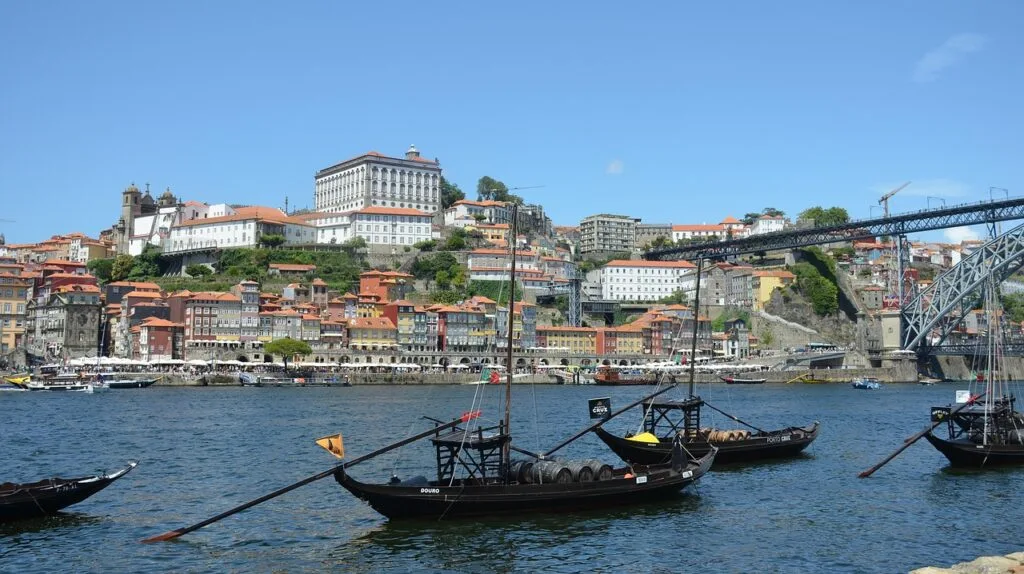
Porto, Portugal’s second-largest city, is a captivating mix of steep hills, azulejo-covered facades and lively quays along the Douro River. Exploring Porto by public transport isn’t just practical — it’s an immersive way to feel the city’s pulse, watch neighborhoods go by and link up historic sites — from the medieval heart of the Ribeira to the port wine cellars of Vila Nova de Gaia and the modern avenues of Boavista. This comprehensive guide lays out the main lines (metro, train, tram, bus, funicular) and typical travel times between major points of interest, with exact addresses, indicative schedules, ticket prices in euros and local tips to make your journeys smoother.
Porto’s transport network combines several complementary modes: the light metro (Metro do Porto) linking the airport and key stations, CP regional and urban trains for intercity and suburban connections, historic trams that offer a scenic ride, a large bus network (STCP) to reach less-served districts, and a few charming lifts/funiculars like the Funicular dos Guindais. Key stations to know are Aeroporto (Aeroporto Francisco Sá Carneiro), Trindade (central metro hub), Estação de São Bento (historic downtown station), Campanhã (major rail hub), Casa da Música (Boavista cultural center) and Cais de Gaia (access to the port wine cellars in Vila Nova de Gaia).
This guide is aimed at visitors planning routes around Porto: you’ll find average travel times, transfer tips, practical routes (for example how to get from the airport to your hotel in the Ribeira or how to combine metro and walking to see multiple sites in one day), plus fare and timetable info. Prices quoted are based on typical fares (in euros) at the time of publication; note that discounts exist for children, students and seniors, and that buying a pass (Andante card, Porto Card) can cut costs if you plan to use public transport frequently.
Finally, the guide includes practical local tips: which quay to favor for the best view of the Dom Luís I Bridge, the best stations for walking to the port wine caves, when to avoid the metro during rush hour, and how to combine a tram ride with a stroll in the Ribeira. Image markers are placed at the most visually interesting spots to spark ideas for photos and landmarks.
Metro do Porto — main lines, key routes, addresses and travel times
The Metro do Porto is the fastest and most used way to link the airport to the city center and to cross Porto from end to end. The network has six lines identified by letters and colors: Line A (Blue), B (Red), C (Green), D (Yellow), E (Violet, airport link) and F (Orange). The central hub is Trindade (Praça da Trindade), which offers many connections. Here are the main lines and the most useful routes for visitors:
- Line E (Violet) — Aeroporto ↔ Trindade ↔ Estádio do Dragão
Airport address: Aeroporto Francisco Sá Carneiro, 4470-558 Porto. Travel time: Aeroporto → Trindade about 25–30 minutes. Hours: generally 06:00–01:00 (check seasonal schedules). Frequency: around 20–30 minutes early in the morning, then roughly every 20 minutes and about every 15 minutes during the day. Fare: single urban Andante ticket + reusable or disposable card around €2.00–€3.00 depending on zones; airport fares are usually the same but make sure you have an Andante card. Tip: get off at Trindade to change toward the historic center.
- Lines A/B/C/D — east-west cross through Trindade
Trindade (Praça da Trindade, 4000-393 Porto) is the junction to reach: Rua de Santa Catarina, São Bento and the Baixa. Estimated travel times: Trindade → São Bento (on foot) 10–15 minutes; Trindade → Casa da Música (Line D/B depending on route) about 8–12 minutes. Hours: 06:00–01:00; frequencies every 6–12 minutes during the day depending on the line. Fares: a standard urban trip with Andante typically costs €1.20–€2.00 per zone (single ticket); the exact price depends on the number of zones crossed.
- Practical example: Airport → Ribeira (Cais da Ribeira)
Recommended route: Aeroporto (Line E) → Trindade, then walk 10–15 minutes to the Ribeira (Cais da Ribeira, 4050-513 Porto) or take a short metro/bus hop to São Bento and walk down. Total estimated duration: 35–45 minutes door-to-door. Approximate cost: €2.00–€3.50 per person depending on ticket purchases. Tip: if you have heavy luggage, choose a taxi or private transfer (Airport → Ribeira €20–€30 depending on traffic).
Practical points and local tips:
- Andante card: rechargeable card used on metro, buses and some urban trains. Buy at station ticket machines; expect €0.60–€0.70 for a disposable card plus credit for journeys. For several days, an Andante Tour (24h/72h) can be cost-effective — indicative prices: €7–€15 depending on duration (confirm at point of sale).
- Hours: the metro generally runs from about 06:00 to 01:00; special night services may operate during festivities. First and last trains vary by line — check the official Metro do Porto website for exact times.
- Accessibility: most stations and trains are accessible for people with reduced mobility, with elevators and reserved spaces.
Rail stations: Estação de São Bento and Campanhã — regional links and travel times
The two essential railway stations for travelers in Porto are Estação de São Bento and Estação de Campanhã. They serve regional and national routes operated by CP – Comboios de Portugal as well as faster urban connections.
- Estação de São Bento
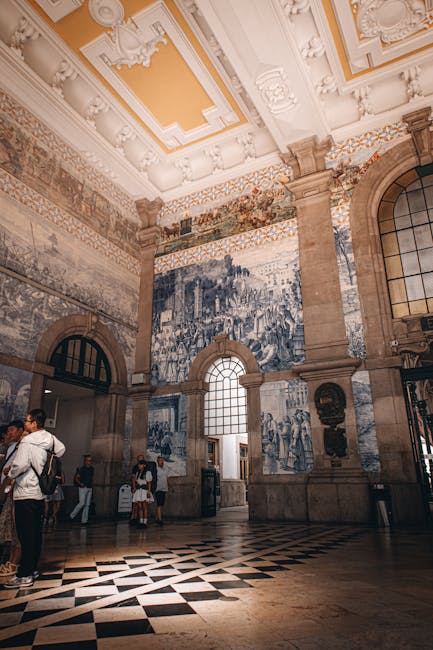
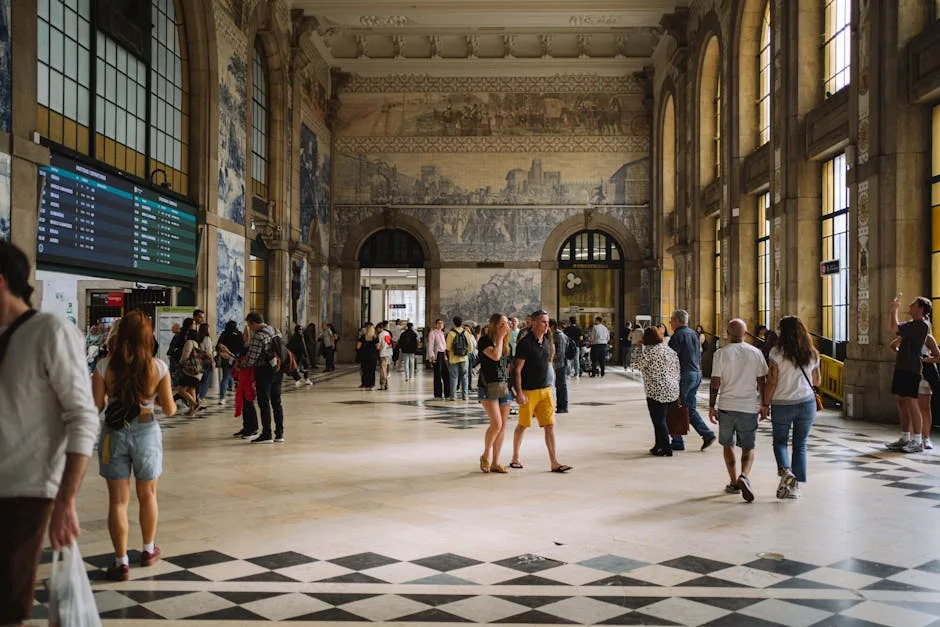
Address: Praça de Almeida Garrett 12, 4000-069 Porto. Description: an iconic station known for its tile panels (azulejos) depicting Portuguese history — a very photographed spot. Services: CP ticket counters, machines, nearby cafés. Hours: generally open early (05:30–23:30 depending on trains). Lines served: urban trains to Vila Nova de Gaia, Matosinhos (São João tunnel); fewer regional services; the station is also a main arrival point for visitors exploring the Ribeira.
Example journeys: São Bento → Vila Nova de Gaia (Cais de Gaia) on urban train (with possible transfer) : 5–10 minutes; approximate fare: €1.20–€1.70.
- Estação de Campanhã
Address: Rua de Entre-Quintas 1, 4300-089 Porto (main entrance on the Campanhã side). Role: the primary station for long-distance trains (Lisbon–Porto, onward connections to Madrid via transfers, Alfa Pendular and Intercidades), plus regional links. Hours: long-distance services start early (around 05:00–06:00) and run late into the evening; ticket offices open according to train schedules. Travel time to São Bento: Campanhã → São Bento by regional train ~8–10 minutes; Campanhã → Airport via metro (Line E) requires a transfer at Trindade → total time about 30–40 minutes depending on wait times.
Tickets and fares: Intercidades and Alfa Pendular prices vary widely (€10 to €35–€45 for Porto–Lisbon depending on class and booking). Regional/urban tickets usually cost €1.20–€3.00 depending on zones.
Practical tips:
- If you arrive on a long-distance train (from Lisbon, Faro), prefer Campanhã to disembark and take the metro Line E or a direct connection into the center. São Bento is ideal if you want to arrive right in the historic old town.
- When traveling between stations and the airport, allow 30–45 minutes to account for connections and walking. Long-distance trains often require advance booking — buy tickets online via CP.
Historic trams, STCP buses and funiculars — tourist routes and journey times
Beyond the metro and trains, Porto retains its historic charm with tramways, a dense bus network (STCP) and useful lifts/funiculars for tackling the hills. These modes are often preferred by travelers who want a scenic yet practical experience.
- Historic trams
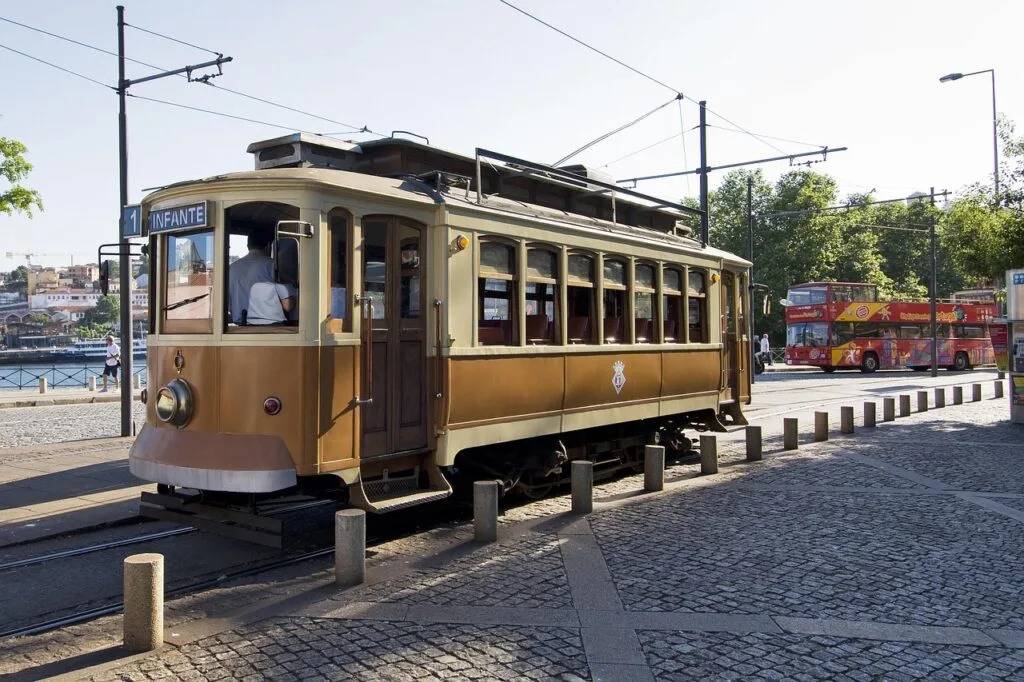
Main tourist line: Tram 1 (Linha Histórica 1) which runs along the Douro between Infante (Rua do Infante D. Henrique, 4050-297 Porto) and Passeio Alegre/Costantina. Hours: typically 09:30–18:30 with departures every 20–40 minutes in high season; reduced services off-season. Fare: single tourist ticket around €3.50–€5.00; combo tourist passes may be available. Description: restored wooden trams offering a picturesque ride along the river — perfect for photos and views.
- STCP buses
The STCP network covers the whole of Porto and its suburbs. Hours: most lines run from 05:30 to 00:30; several night lines operate until 04:00. Fares: single ticket without a card around €2.00–€2.50; using an Andante card reduces the price. Useful routes: Line 500/502 (examples vary seasonally) to link São Bento station with Mercado do Bolhão (Mercado do Bolhão, Rua Formosa 352, 4000-214 Porto) in minutes; lines to Foz do Douro for a seaside escape (about 20–30 minutes from the center).
- Funicular dos Guindais
Address/Access: Funicular dos Guindais, near the Ponte Dom Luís I (access from Cais da Ribeira, 4050-513 Porto). Hours: approx. 08:00–20:00 (seasonal variations). Fare: single ticket around €2.00–€3.00. Duration: very short ride, 2–3 minutes, but extremely handy to avoid a steep climb. Tip: perfect for photographing the river and the Dom Luís I Bridge silhouette while easily reaching the upper viewpoint.
Local tips:
- Opt for the trams for a memorable outing when the sun is shining over the Douro — arrive early to beat the crowds.
- For night journeys or trips to less-central neighborhoods (e.g. Foz do Douro, Matosinhos), check STCP lines which vary in frequency; use the official STCP/Andante app for real-time routing.
- Funiculars and lifts (like Ascensor da Batalha) are practical and very photogenic; carry small change and buy an Andante ticket if you plan to make several rides.
Practical day-by-day itineraries: transport combinations and real travel times to visit Porto
This chapter offers sample day itineraries for a full day in Porto, combining metro, train, tram and walking, with estimated durations and costs. Times include transfers and reasonable walking. Remember to allow some extra time for crowds.
- Itinerary 1 — Airport → Historic center (Ribeira, São Bento): 35–50 minutes
Suggested route: Aeroporto (Metro E) → Trindade. At Trindade, change to reach São Bento if you want to see the station (Praça de Almeida Garrett 12, 4000-069 Porto); from São Bento, walk 5–10 minutes down to the Ribeira (Cais da Ribeira, 4050-513 Porto). Duration: 25–30 minutes on the metro + 10–15 minutes walking = 35–45 minutes. Total cost: around €2.00–€3.50 depending on tickets. Tip: with heavy luggage, a taxi or transfer (€20–€30) will be more comfortable.
- Itinerary 2 — City center (Bolhão) → Casa da Música → Foz do Douro: 45–70 minutes
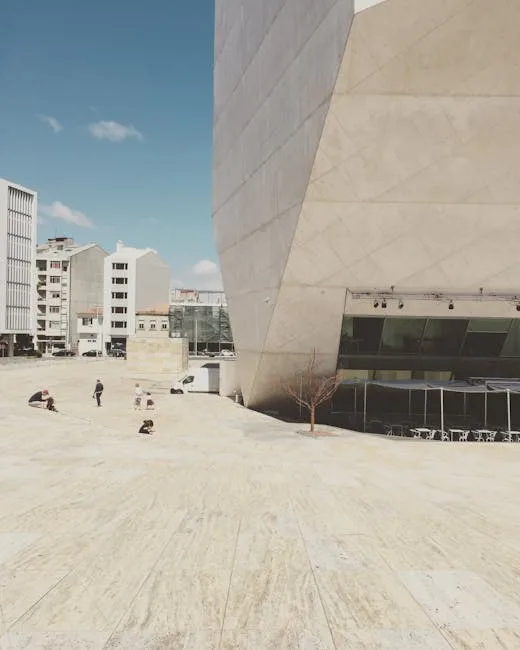
Start: Mercado do Bolhão (Rua Formosa 352, 4000-214 Porto) → walk to Bolhão/Trindade metro station → take Line D or a connection to Casa da Música (Avenida da Boavista 604-610, 4149-071 Porto). Time: Bolhão → Casa da Música ~10–15 minutes by metro. Then Casa da Música → Foz do Douro (STCP bus line 500/501 depending on schedule) 20–30 minutes. Cost: metro + bus roughly €3–€4 total. Why go: Casa da Música is a top venue for exhibitions and concerts; Foz offers beaches and coastal promenades.
- Itinerary 3 — Porto → Vila Nova de Gaia (port wine cellars): 15–25 minutes
Options: walk from São Bento down to the quays (15–20 minutes) and cross the Dom Luís I Bridge (lower or upper level depending on access). Alternatively, take the short train São Bento → Vila Nova de Gaia (5–10 minutes) or the metro plus a short walk. Arrival at famous cellars: Caves Cálem (Largo Miguel Bombarda 3, 4400-222 Vila Nova de Gaia), Sandeman (Rua de Serpa Pinto 45, 4400-307 Vila Nova de Gaia), Graham’s (Rua do Choupelo 250, 4400-088 Vila Nova de Gaia). Cellar opening hours: typically 10:00–18:00; tastings €7–€20 depending on tour and tasting. Transport cost: €1.20–€2.50.
Practical notes:
- If you plan several trips in a day, the Porto Card can be convenient — it offers unlimited transport and discounts on museums; indicative price €20–€30 for 24–48 hours depending on options.
- For intercity journeys (e.g. Porto → Braga or Guimarães), CP trains depart from Campanhã; average Porto–Braga time ~40–50 minutes, fare around €4–€7 depending on service.
Travel tips, safety and practical info on fares and schedules
Getting around Porto by public transport requires knowing a few local rules and tricks to save time and money. Here’s a compact set of practical, safety and financial tips to optimize your travels.
- Tickets and cards
Andante card: a smartcard valid on metro, buses and some urban trains. Purchase at station machines or information points. Price: rechargeable card (initial cost around €0.60–€0.70) plus credit for journeys; Andante Tour day passes (24h/72h) can cost €7–€15 depending on duration. Porto Card: includes unlimited transport and discounts at museums; indicative price €20–€30 for 24–48 hours.
- Schedules and frequencies
Metro: roughly 06:00–01:00; frequency 6–15 minutes during the day. CP trains: highly variable timetables — regional trains run early and late, intercity services usually require booking. Historic tram: reduced hours off-season. STCP buses: dense service 05:30–00:30 with night lines available.
- Safety and comfort
Porto is generally safe; still, keep an eye on belongings in busy tourist spots (Ribeira, São Bento, Dom Luís I Bridge). At rush hours (08:00–09:30 and 17:00–19:00) metro and urban trains can be crowded — avoid large suitcases during these windows. For steep climbs, favor funiculars or taxis if needed.
- Special schedules and public holidays
Timetables can change on national holidays (Republic Day, Easter, Christmas) and during local events (São João in June). Extra services may be added but traffic and circulation can be disrupted. Check official Metro do Porto, CP and STCP sites before traveling.
Conclusion — Travel smart and make the most of Porto
Exploring Porto by public transport is both practical and rewarding: the metro links you quickly to the airport and main city hubs, trains provide fast connections to nearby towns, trams and funiculars add a historic, scenic touch, and buses fill gaps where rails don’t reach. By combining an Andante card (or a Porto Card if you want tourist discounts) with smart schedule planning, you can maximize what you see without wasting time. The addresses mentioned — Aeroporto Francisco Sá Carneiro, Praça de Almeida Garrett 12 (Estação de São Bento), Avenida da Boavista 604-610 (Casa da Música), Cais da Ribeira (Ribeira), Largo Miguel Bombarda 3 (Caves Cálem) — will help you orient yourself on the map and choose the most efficient routes.
Final recommendations: buy an Andante card on arrival if you expect multiple trips, use the metro for longer distances and save tram/bus rides for slower, scenic outings; note intercity train departure times if you plan to leave the region; and above all, walk between stations — Porto often reveals itself on foot, down stairways and cobbled alleys with unexpected Douro views. Also keep in mind fares and schedules can change: check official sites (Metro do Porto, CP – Comboios de Portugal, STCP) or mobile apps before you travel to get the latest info and go with peace of mind.
Have a great trip and wonderful discoveries in Porto: between azulejos, grand bridges and centuries-old cellars, every journey is an opportunity to catch the city’s soul.