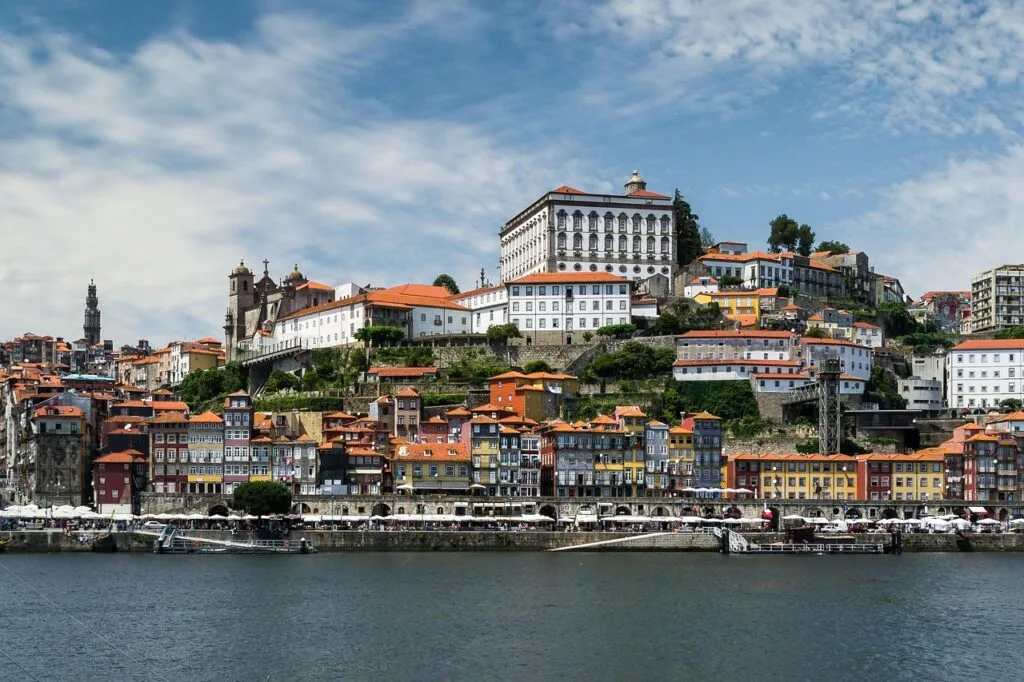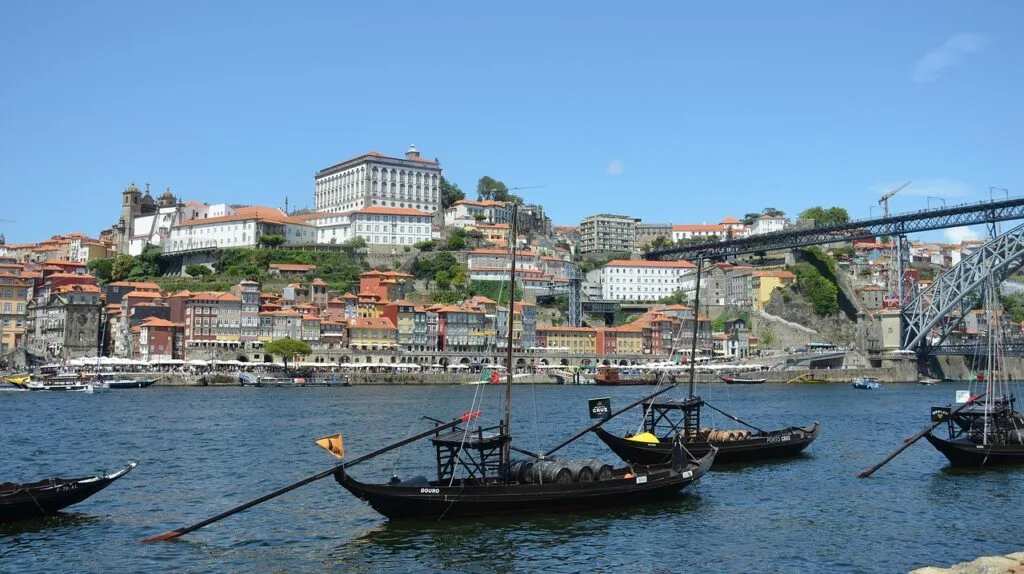






Introduction: Porto’s museums — a journey through contemporary art, history and vineyards
Porto, Portugal’s second city, is often pictured with the golden banks of the Douro, the lodges of Vila Nova de Gaia and the cobbled streets of the Ribeira. But beyond those iconic views and the famous port tastings, the city hides a rich and varied museum scene — where contemporary art, historical heritage, popular music and institutions devoted to transport and wine come together. Getting to know Porto’s museums is also a way to get under the skin of the city: a proud provincial capital that cherishes tradition, embraces artistic experimentation and tells its past with a distinctive elegance.
This general guide will help you explore Porto’s main museums, giving you practical info — exact addresses, typical opening hours, prices in euros — as well as vivid descriptions to help you choose based on your interests. Whether you’re a contemporary art fan keen not to miss the Serralves Museum (Museu de Serralves / Fundação de Serralves), a port-history buff drawn to the Casa do Infante (Museu da Cidade), or someone curious about winemaking wishing to visit the Museu do Vinho do Porto (Port Wine Museum), you’ll find concrete tips here: how to plan your visit, when to avoid the crowds, which rooms to prioritise by season, and local details to watch for that will enrich your experience.
The guide also includes practical suggestions: how to pair a museum visit with a park stroll or a tasting, which transport to use (metro, tram, bus, walking), and gear recommendations (comfortable shoes for uneven surfaces, a light jacket for air-conditioned rooms). Prices and opening times are indicative and reflect the most recently public information; for exact hours and rates on the day of your visit, check the museum’s official website or call ahead.
Finally, this guide is illustrated with visual cues (image markers) selected to help you picture the places and inspire your photography route: façades, gardens, exhibition halls and panoramic views of the Douro. These suggested images correspond to specific visual contexts to make planning and researching your trip easier.
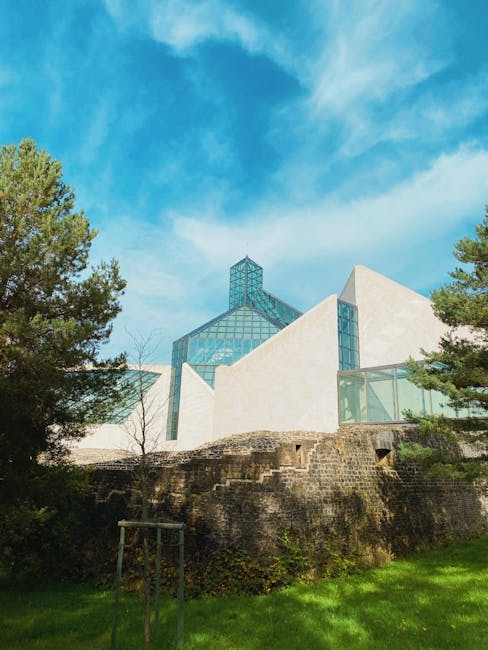
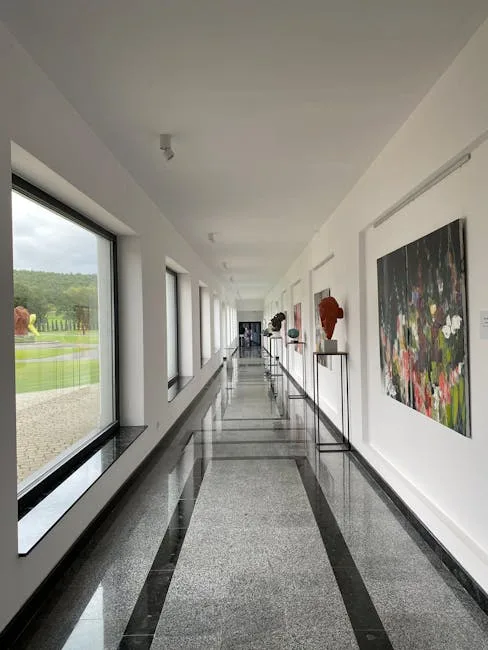
Museu de Serralves (Fundação de Serralves) — contemporary art and a stunning park
The Museu de Serralves, officially Fundação de Serralves — Museu de Arte Contemporânea, is one of Porto’s most iconic museums. Housed in a building designed by architect Álvaro Siza Vieira, it stands out for the dialogue between its contemporary architecture and the expansive landscaped park (Parque de Serralves). The exact address is Rua Dom João de Castro 210, 4150-417 Porto. The site includes the museum, the Casa de Serralves (an Art Deco villa), the Teatro de Serralves and an 18-hectare park dotted with gardens, ponds and walking trails.
Hours (indicative): Tuesday to Sunday, 10:00 – 18:30 (closed Monday). Hours may be extended for special events and temporary exhibitions. Prices (indicative): museum-only ticket approx. €12.00 for adults; combined park + museum ticket approx. €16.00; discounts for students and seniors; free entry for children under 12 when accompanied. Sometimes there are specific rates for temporary or evening exhibitions. Check the Fundação de Serralves official website before your visit to confirm prices and booking requirements.
Immersive description: visits often begin outside. Serralves Park is a landscape masterpiece where you can wander among mature trees, water features and contemporary sculptures sprinkled along the paths. Entering via the Casa de Serralves provides a graceful transition inside: Art Deco lounges, a 1930s atmosphere, then the striking contrast of the modern museum with Álvaro Siza’s clean lines. Temporary shows highlight national and international artists with often bold staging — multimedia installations, immersive pieces and large-scale works.
Local tips: arrive early to enjoy the park with fewer people, especially in summer; bring a camera for architectural perspectives and views from the trails. If you’re a contemporary art lover, check for themed guided tours (usually in Portuguese, sometimes in English). The museum café is a pleasant spot for a break, serving a simple menu and a nice terrace. Note that the park can get muddy after rain — wear appropriate shoes.
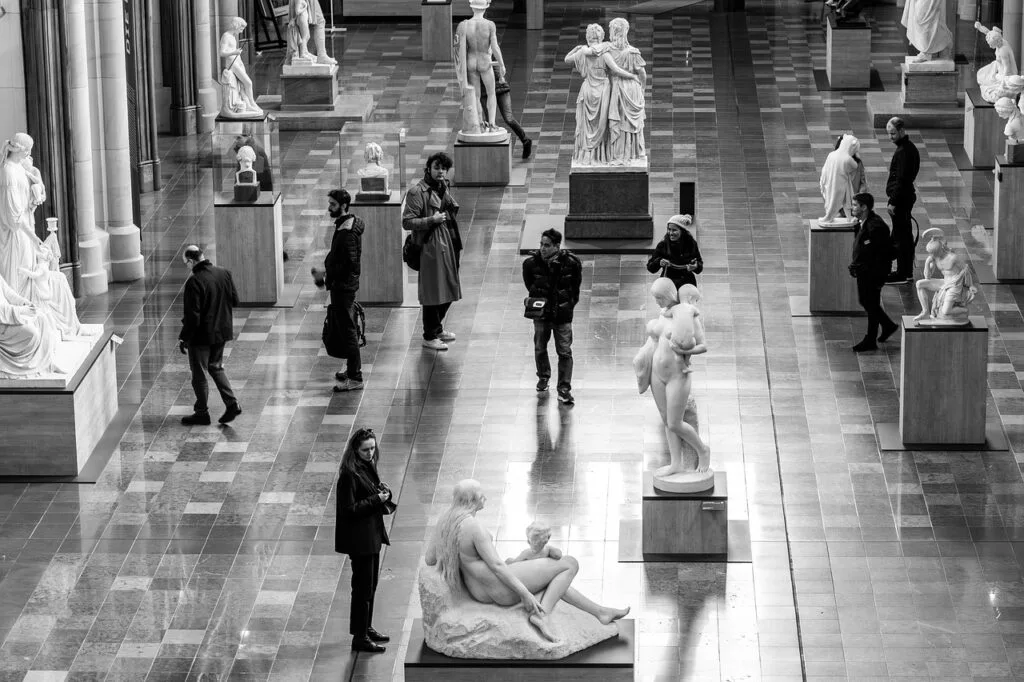
Museu Nacional Soares dos Reis — Portuguese heritage and classic collections
The Museu Nacional de Soares dos Reis is Portugal’s national fine arts museum for the 19th and 20th centuries, housed in the Carrancas Palace, an 18th-century building. Address: Rua Dom Manuel II 44, 4050-341 Porto. This museum is essential for understanding the development of decorative arts, classic Portuguese sculpture and the collections that helped shape the country’s artistic identity.
Hours (indicative): Tuesday to Sunday 10:00 – 18:00, closed Monday. Prices (indicative): general admission around €5.00; discounts for youth, seniors and groups; possible free entry on the first Sunday of the month depending on national policy. Permanent exhibitions include paintings, sculptures, ceramics, furniture and jewelry — featuring both Portuguese masters and European influences.
Immersive description: the experience starts at the palace’s solemn entrance, where Baroque ornamentation gives way to exhibition rooms where objects are arranged along historical and thematic lines. The rooms dedicated to the sculptor António Soares dos Reis are especially notable: the carved figures reveal refined modelling and a romantic sensibility. The painting collections offer panoramic views of 19th-century Portugal, while the decorative arts display pieces from aristocratic daily life — polychrome ceramics, lacquered furniture and intricately preserved adornments.
Local tips: combine your visit with a stroll in the adjacent municipal garden for a break between galleries. Audio guides (often available in Portuguese, English and Spanish) help place the major works in context. If you visit in spring, check temporary exhibitions that sometimes place contemporary artists in conversation with the historical collections. The museum is reachable from the city centre by public transport (bus); allow 90 minutes to two hours for a focused visit.
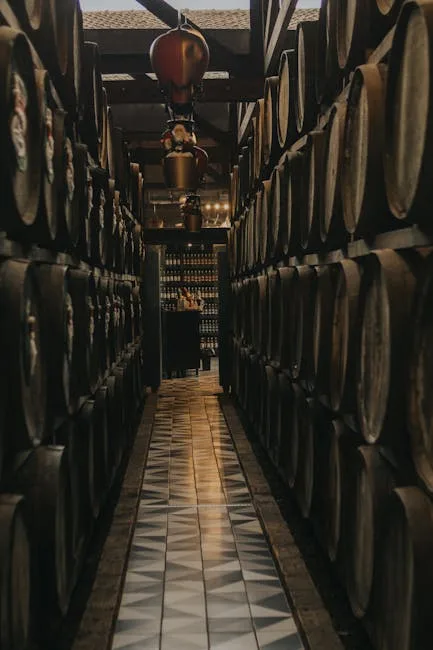
Port Wine Museum (Museu do Vinho do Porto) and the cellars of Vila Nova de Gaia — history, tasting and craftsmanship
The Museu do Vinho do Porto — Port Wine Museum — is a must-visit to understand the world of port wine: its origins, production methods and impact on the regional economy. The Port Wine Museum’s address is Rua de Monchique 74, 4050-352 Vila Nova de Gaia. The museum sits on the south bank of the Douro, in Gaia, close to the famous cellars where port is stored and aged.
Hours (indicative): open daily, 10:00 – 18:00; some private cellars offer evening tours by reservation. Prices (indicative): museum entry around €8.00; cellar tours and tastings in Porto’s cellars range from €12.00 to €25.00 depending on the number and quality of wines included. Many port houses (Taylor’s, Sandeman, Graham’s, Cálem, Ferreira) run their own paid tours and museums, with tasting-and-cellar-visit combos priced between €10 and €25.
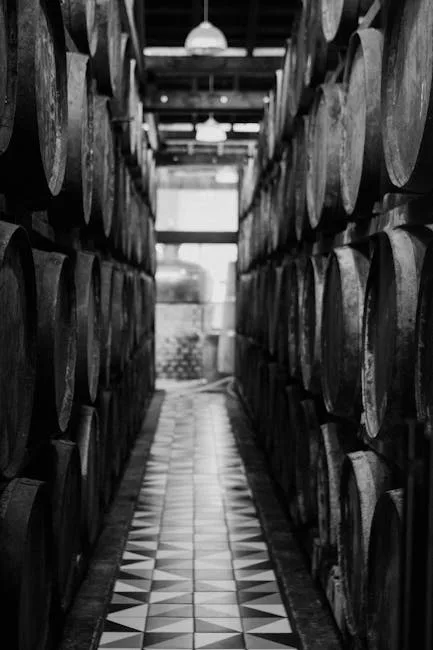
Immersive description: the museum tour often begins with a visual timeline tracing the port trade, cooperage practices, fortification processes and the shipping routes that made the wine famous across European ports. Exhibits include old tools, archival photos and panels explaining grape varieties (Touriga Nacional, Tinta Roriz, Touriga Franca) and vinification methods. After the museum, a short walk or crossing the bridge to Gaia is essential: in the cool, dim cellar galleries, the smells of wood and aged alcohol wrap around you while a guide explains the different styles (Tawny, Ruby, Vintage).
Local tips: book tastings in advance, especially in high season (May–September); aim for a cellar visit late in the afternoon when the Douro’s light is at its best. If you’re new to port, choose a comparative tasting (for example a 10-year Tawny, a Ruby and a Vintage) to understand the aromatic range. Buy a bottle at the cellar if you want an authentic souvenir — cellar prices are often better than tourist shops. Practical note: have a plan to get back to Porto centre (taxis, the Gaia funicular, or the train from São Bento if you cross the bridge).
Casa do Infante (Museu da Cidade) and neighbourhood museums — urban history and local heritage
Casa do Infante, now part of the Museu da Cidade (City Museum), sits on Praça do Infante D. Henrique, address Praça do Infante D. Henrique 1, 4050-296 Porto. This historic building, often promoted as the supposed birthplace of Prince Henry the Navigator, tells the story of Porto’s urban history from the medieval period to the modern age. The museum offers valuable insight into the city’s architectural, social and commercial evolution.
Hours (indicative): Tuesday to Sunday, 10:00 – 18:00; closed Monday. Prices (indicative): general admission around €3.00 to €5.00; reduced rates for students and seniors; free entry for children under 12 when accompanied. Exhibits include archaeological digs, scale models, archival documents and everyday objects dating back centuries.
Immersive description: the visit unfolds like a chronological discovery: the old port comptoir, medieval trade, the impact of the maritime discoveries and Porto’s urban transformation. Archaeological remains let you visualise ancient foundations, while multimedia displays put the city’s rise as a commercial port into context. The square itself and its surroundings — the quay and the colourful Ribeira houses — extend the experience beyond the walls.
Local tips: use the location to continue with a walk along the Douro towards the Dom Luís I Bridge. Smaller museums, like the Museu do Carro Eléctrico (Electric Tram Museum, Largo Medalhas 12, 4000-152 Porto) are worth a detour for their local charm: exact address for the Museu do Carro Eléctrico — Rua Pedro Hispano / Largo da Restauração depending on the season; indicative hours and prices: open 10:00 – 13:00 and 14:00 – 18:00, entrance around €2.50 to €4.00. These neighbourhood museums bring concrete stories: how locals lived, moved, worked and celebrated the city.
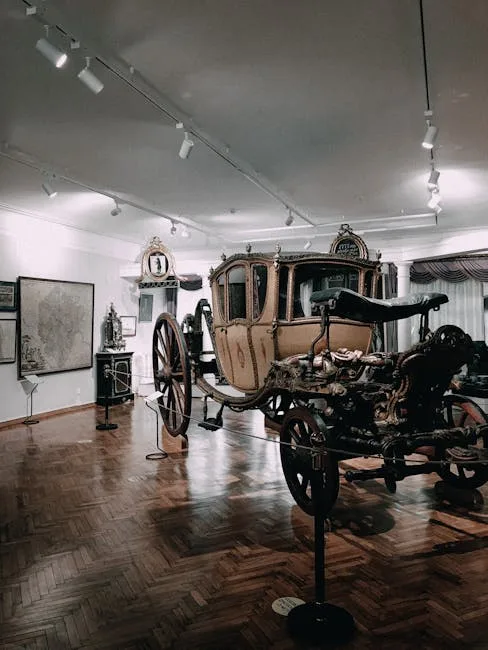
Finally, remember that Porto is compact but hilly: plan your visits with elevation in mind and favour the metro or funicular for the steepest links. Local guides and tourist offices often offer combined tickets or discounts for several museums — always ask if a city or museum pass is available, especially if you plan to visit multiple sites over a few days.
Conclusion: planning your visits, priorities and practical suggestions
Porto offers a museum bouquet where each institution reveals a different face of the city: Museu de Serralves for contemporary art and the dialogue between architecture and nature; Museu Nacional Soares dos Reis for classic collections and national heritage; the Port Wine Museum and the Vila Nova de Gaia cellars to understand everything about port wine; Casa do Infante and the neighbourhood museums for an immersion in urban history and daily life. Large or intimate, these museums share the ability to convey the continuity of an ancient city with a global outlook.
To make the most of your museum stay in Porto, here are a few practical suggestions: build a logical itinerary (for example: Casa do Infante and the Ribeira in the morning, cross the Douro for the cellars at midday, Serralves in the afternoon if you have a car or tram/bus access), book online where possible — especially for Serralves and the most popular cellars, check opening times in advance because some museums close on Mondays, and look into discounts available (youths, students, seniors). Bring a light jacket for air-conditioned rooms and a notebook to jot down names of artists or wines that catch your attention.
Finally, leave time to look around the museums: Porto is also discovered outside exhibition walls — azulejo façades (painted tiles), old cafés, viewpoints over the Douro — all elements that complement the museum experience and make each visit unique. Whatever your interest — art, history, wine or industrial heritage — Porto’s museum trail is rich and deserves at least two to three days to be enjoyed without rushing. Enjoy your visits, and feel free to adapt this guide to your tastes; the city will reward you with unexpected treasures around every corner or in every cellar.