





Introduction — Navigating Porto: metro, tram and bus for visitors
Porto is a compact city with dramatic elevation changes, where hills, the Douro riverbanks and narrow streets meet more modern avenues. For visitors, getting a handle on the local public transport system (metro, trams and buses) is essential to save time, cut costs and experience Porto like a local. This guide explains, in clear practical terms, how to use the Metro do Porto network, the historic trams run by Carris and the city’s extensive STCP bus network. You’ll find exact addresses for main transfer hubs, typical schedules, indicative prices (see “indicative fares (2024)” below), immersive route descriptions and local tips to avoid common pitfalls.
Porto combines a modern metro, heritage trams and a web of buses that serve both the urban core and the Greater Porto municipalities. The metro (Metro do Porto) has six lines (A, B, C, D, E, F) connecting key spots like the airport (Aeroporto Francisco Sá Carneiro, 4470-558 Porto), Campanhã train station (Praça da Estação 4300-299 Porto) and the tourist hub around Trindade / Aliados. The trams — rare but very photogenic — mainly run along the riverfront and toward Foz, while buses cover most other areas, including hills where the metro doesn’t reach.
This guide focuses on practical efficiency: where to buy an Andante card (the intermodal travel card), how to validate, which tickets to pick depending on the length of your stay, which tram lines are best for a scenic ride, and which stops to use to reach top sights (Ribeira, Livraria Lello, Casa da Música, MAAT, Jardins do Palácio de Cristal). It also lists exact transfer hubs (Trindade, São Bento, Estação de Campanhã, Casa da Música), sample time windows (morning, afternoon, evening), sample fares and short-term passes, plus local tips — for example, when to avoid peak crowds, how to protect your bag in busy areas, and how to combine tram and bus for a stress-free discovery day.
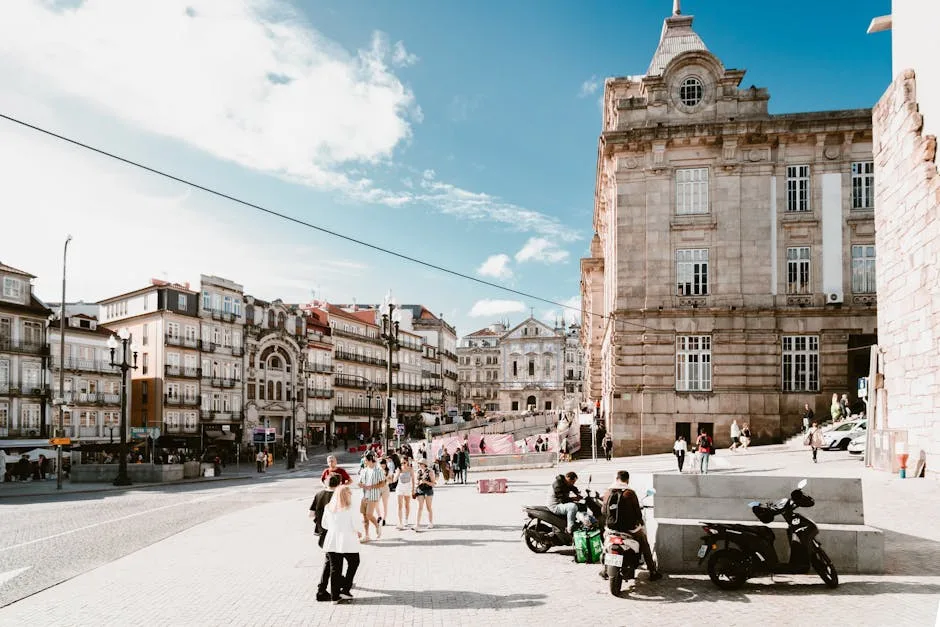
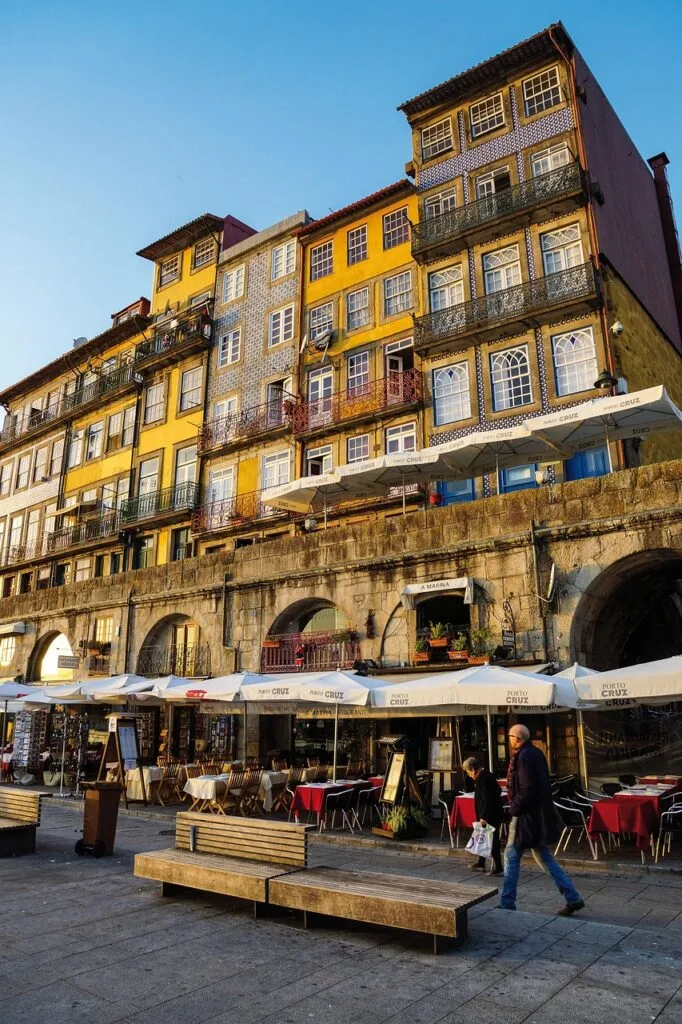
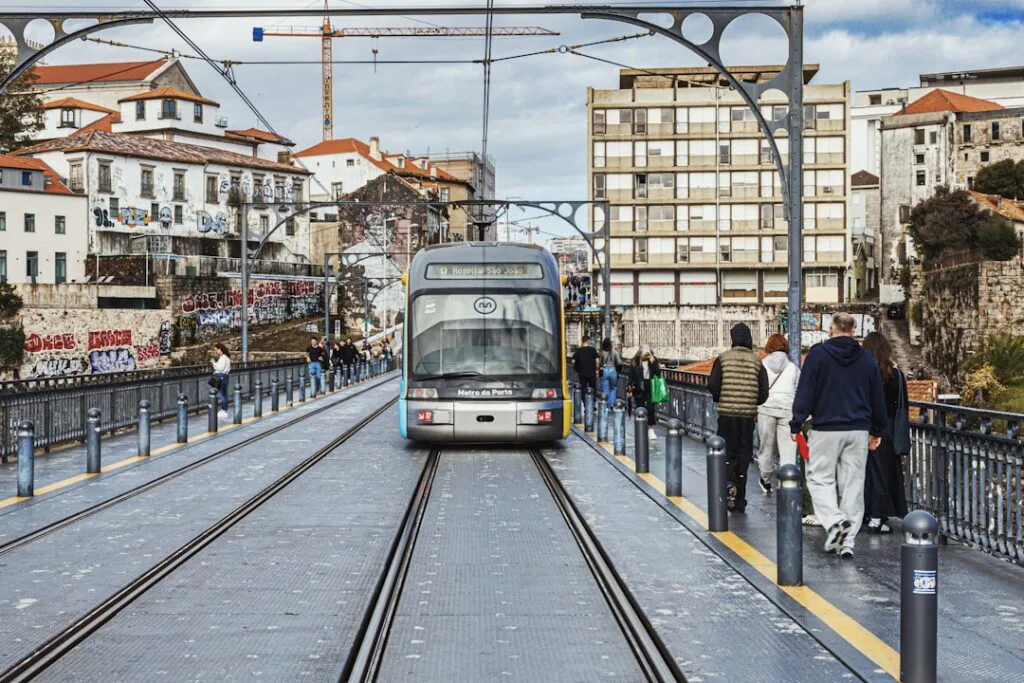
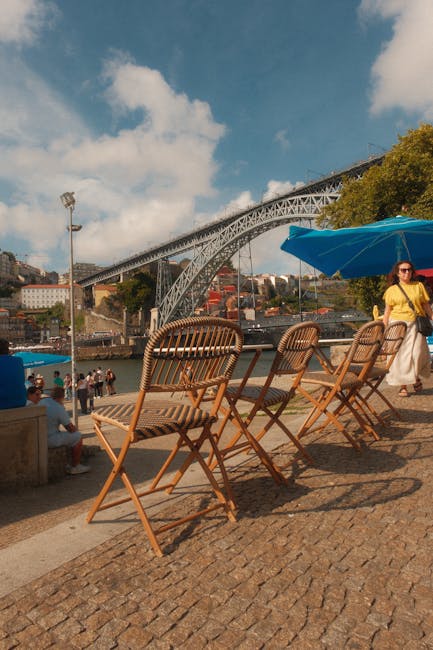
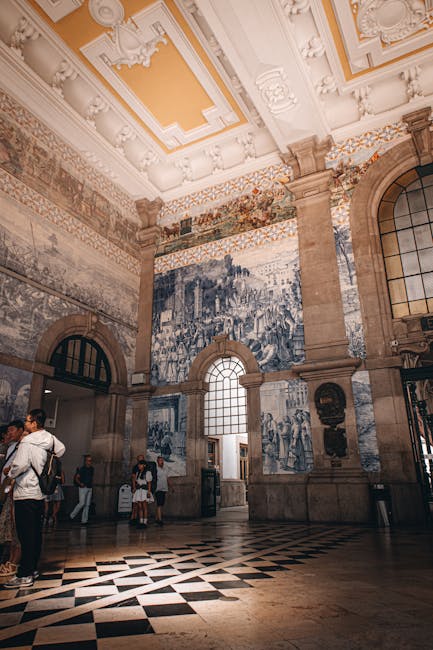
Finally, the guide includes visual cues and photo suggestions so you know where to point your camera: the climb up to São Bento station, the panorama from the tram line to Foz do Douro, and urban compositions around Casa da Música station. The embedded images 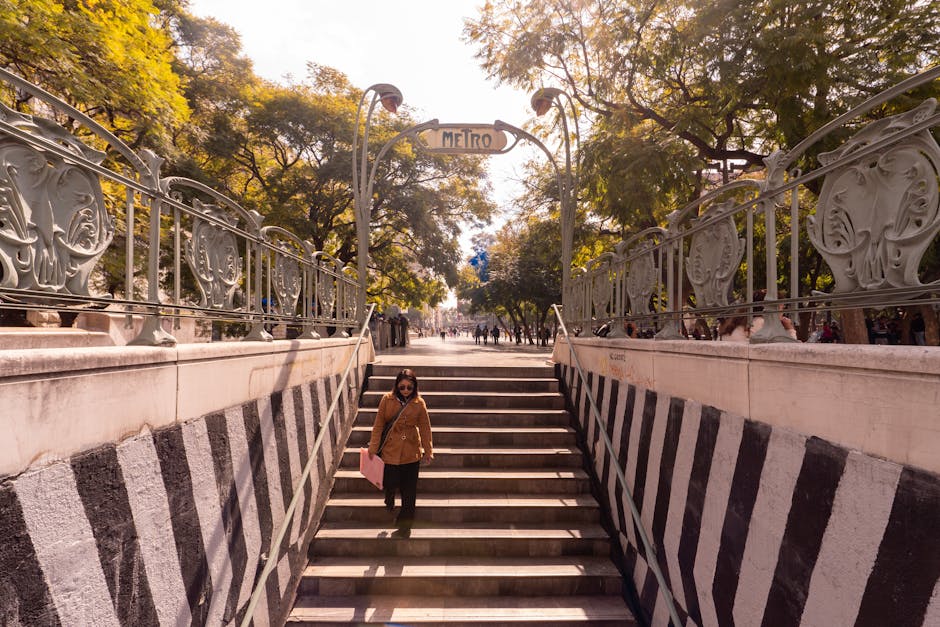 or
or 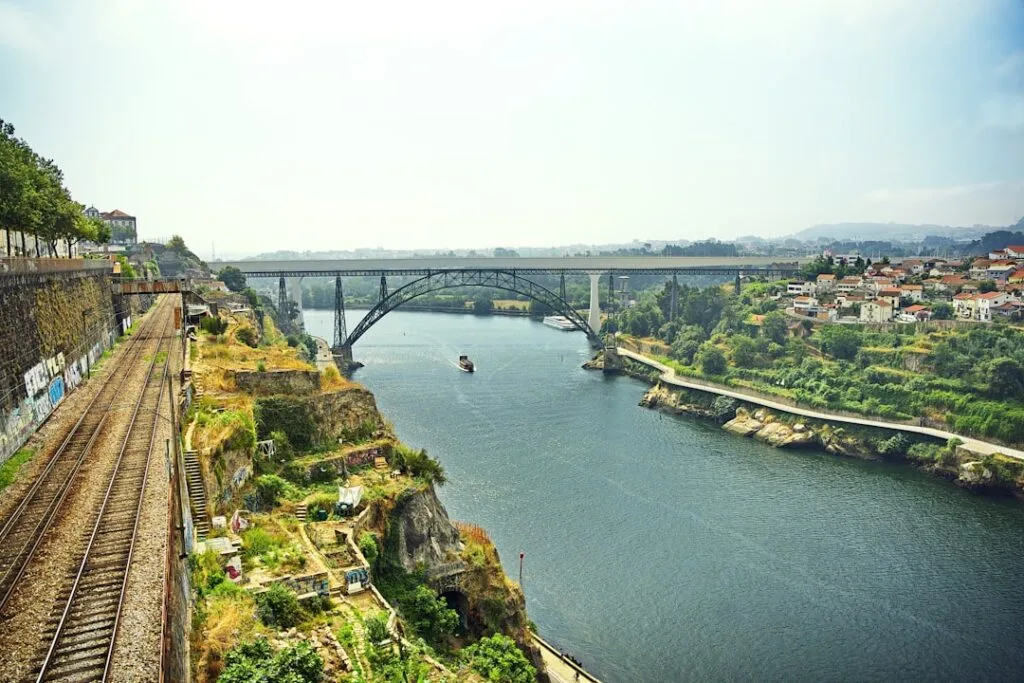 will help you visualise routes and spot stops around the city. Think of this guide as a roadmap to navigate Porto confidently: whether you’re here for a weekend, a week or longer, these tips will help you make the most of the public transport network.

The metro (Metro do Porto): lines, key stations, fares and schedules
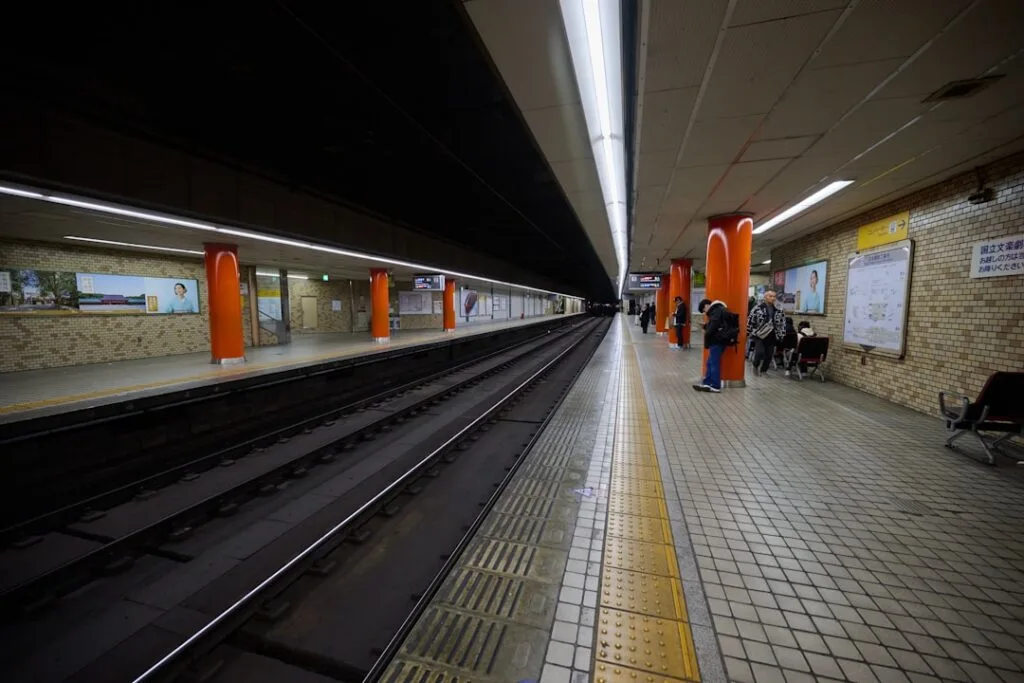
Porto’s metro (Metro do Porto) is the fastest way to link the airport, train stations and main attractions. The network has six lines identified by letters and colours: A (purple), B (red), C (yellow), D (blue), E (green) and F (orange). It serves strategic stations such as Aeroporto (Avenida do Aeroporto, 4470-558 Porto), Estádio do Dragão (Avenida FIFA, 4350-300 Porto), Campanhã (Praça da Estação, 4300-299 Porto), São Bento (Praça de Almeida Garrett, 4000-069 Porto — rail interchange), Trindade (Praça da Trindade, 4000-357 Porto) and Casa da Música (Praça de Mouzinho de Albuquerque, 4050-417 Porto).
Hours: the metro typically runs from 06:00 to 01:00 (some sections or services may start a little earlier or finish later for events). Trains run every 6–12 minutes at peak times (07:00–09:30 and 17:00–19:30) and every 10–20 minutes during quieter daytime hours. Frequencies can be reduced in the evenings and on Sundays.
Fares (indicative 2024): the fare system is based on the rechargeable Andante card. You can buy a personalised Andante or a non-personalised card (Andante/Viva Viagem style). Indicative prices:
- Single trip (single zone) loaded onto an Andante card: around €1.20 for 1 zone.
- Standard urban journey (2–3 zones): between €1.40 and €2.00 depending on zones.
- Andante 24-hour pass (unlimited within certain zones): roughly €7.50 for the urban zone (indicative).
Where to buy and top up: ticket counters and machines in major stations (Trindade, São Bento/REGIONAL connection, Campanhã, Estação de São Bento for trains), kiosks and some convenience stores. Useful address: Trindade station, Praça da Trindade, 4000-357 Porto — ticket counters and machines are open during station hours.
Practical tips: always validate when entering and exiting; inspections are common and fines are steep (up to €100). To get from Francisco Sá Carneiro Airport (Aeroporto, Praça Ilha da Madeira 4470-558 Porto) into the city, take line E (green) toward Estádio / Centro — it takes about 25–30 minutes to Trindade. To reach the Ribeira, get off at São Bento (Praça de Almeida Garrett, 4000-069 Porto) and walk 5–10 minutes toward the Douro; expect steep climbs/descents, so wear comfortable shoes.
Historic trams (Carris): routes, scenic stops, tickets
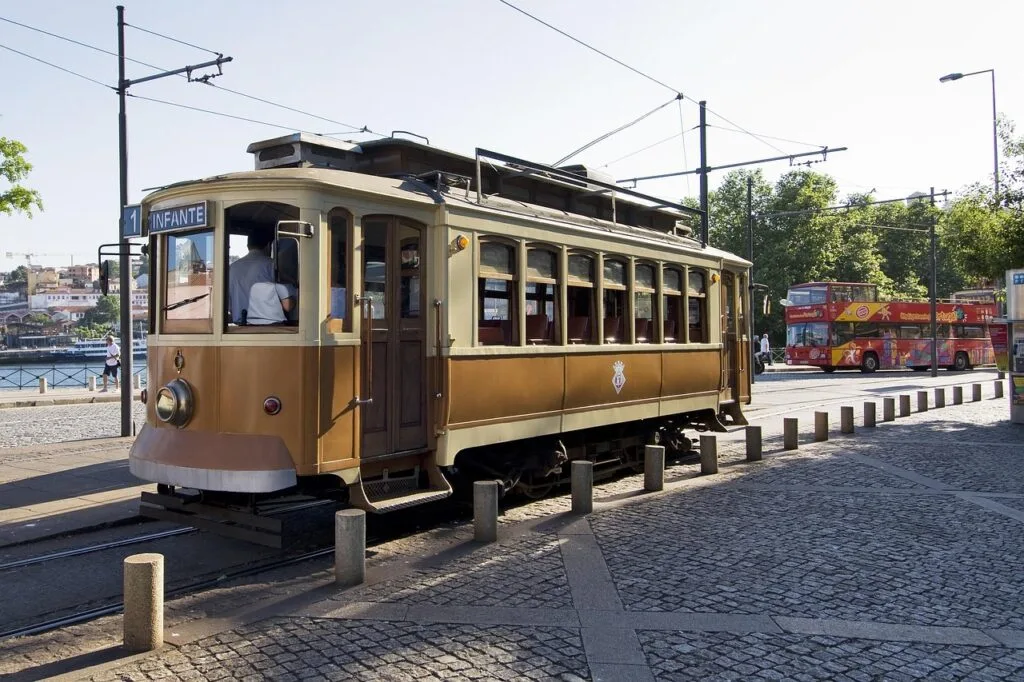
Porto’s trams are more of a tourist experience than a daily commuting tool nowadays. Operated by Carris and sometimes by private tourist operators, the heritage lines offer extremely photogenic rides along the Douro and out to Foz do Douro. Iconic routes include line 1 (Infante — Passeio Alegre), line 22 (historic loop through the centre) and other heritage trams that run seasonally.
Main boarding points:
- Praça do Infante D. Henrique (Praça do Infante D. Henrique, 4050-297 Porto): the classic departure point for the line running beside the Ribeira.
- Passeio Alegre (Jardins do Passeio Alegre, Rua do Passeio Alegre, 4150-615 Porto): the Foz terminus with sea views.
- Rua dos Clérigos / Largo dos Lóios (near Igreja dos Clérigos, Rua dos Clérigos, 4050-147 Porto): boarding point for the historic loops.
Hours: heritage trams generally run from about 10:00 to 18:00 in season (spring/summer), with reduced services off‑season and occasional departures for events. Check Carris’ website or the stop boards for exact departure times; services can be suspended for maintenance or bad weather.
Fares (indicative 2024): trams are not always covered by the same metropolitan fare system; some heritage rides require a separate ticket:
- Single historic tram ticket (Carris tourist fare): around €3.00–€5.00 depending on distance.
- Integrated ticket (if accepted) on an Andante card: sometimes possible for short sections — roughly €1.20–€2.00 depending on zones.
Local tips: board the wooden vintage cars and try to sit on the window side facing the river for the best views. At Passeio Alegre, hop off for a stroll along the seafront and a coffee by the beach. Avoid the busiest tourist hours (11:00–15:00) if you want crowd-free photos. Trams can be packed in summer; if you plan to ride the full Infante → Passeio Alegre stretch, buy your ticket in advance or go early in the morning.
STCP buses: coverage, useful lines, fares and schedules
Porto’s bus network is mainly run by STCP (Sociedade de Transportes Colectivos do Porto) and covers almost the entire urban and suburban area, including hills and neighbouring municipalities. Lines are numbered (e.g. 200, 500, 502, 600 etc.); some express routes are marked with an X to speed up longer trips. Key stops to know: Aliados (Avenida dos Aliados, 4000-066 Porto), Batalha (Praça da Batalha, 4000-039 Porto), Casa da Música (Praça de Mouzinho de Albuquerque, 4050-417 Porto) and Estação de Campanhã (Praça da Estação, 4300-299 Porto).
Hours: most routes run from around 05:00 to 00:30; specific night buses serve the city after midnight (times vary by line). Frequencies are typically 10–30 minutes during the day and 20–60 minutes in the evening.
Fares (indicative 2024): buses accept the Andante card for intermodal journeys. Typical fares:
- Simple urban trip (1–2 zones) on Andante: €1.20–€1.60.
- Express interurban line (special fare): €2.00–€3.50 depending on destination.
- Paper ticket bought on board (if available): often slightly more expensive and sometimes not offered; favour the Andante card.
Practical tips: buses are the best way to reach spots like Jardim do Morro (for views of the Dom Luís I bridge), the Serralves park (Rua Dom João de Castro, 4460-841 Porto) or Foz when the tram isn’t running. When boarding, signal the driver for your stop and validate your card at the entrance. Try to avoid paying cash when possible; drivers don’t always carry change, especially on tourist routes.
Smart combinations and recommended one-day routes
Mixing metro, tram and bus lets you craft efficient routes to see Porto in a day or over several days. Here are two sample itineraries: one focused on the Douro riverside and historic quarters, the other on modern culture and parks.
Itinerary 1 — Ribeira, the bridge and Foz (morning):
- Start: Trindade station (Praça da Trindade, 4000-357 Porto). Take line D toward São Bento if needed.
- Get off: São Bento (Praça de Almeida Garrett, 4000-069 Porto) — wander inside the station to see the famous blue azulejos and historical scenes.
- Walk: 5–10 minutes to the Ribeira — explore Cais da Ribeira (Ribeira, 4050-513 Porto), enjoy cafés and views of the Dom Luís I bridge.
- Tram: from Praça do Infante D. Henrique (Praça do Infante D. Henrique, 4050-297 Porto), hop on the historic tram (line 1) to Passeio Alegre for a seaside stroll (if the service is running).
Itinerary 2 — Modern culture and gardens (afternoon):
- Tram/Bus: from Casa da Música (Praça de Mouzinho de Albuquerque, 4050-417 Porto) tour the concert hall, then take bus 502 or 600 to Serralves (Museu de Serralves, Rua Dom João de Castro, 4460-841 Porto).
- Return: from Serralves, catch the bus back to Casa da Música then take metro line B/C/D to Campanhã station (Praça da Estação, 4300-299 Porto) if you need to catch a train.
Quick tips: use Google Maps or the official Metro do Porto and STCP apps for real-time schedules. Buy a rechargeable Andante as soon as you arrive at the airport or at Trindade to save time.
Safety, local tips and practical information
Safety: Porto is generally safe, but like any major tourist spot, watch out for pickpockets around train stations (São Bento, Campanhã), the Ribeira quays and crowded trams. Keep your wallet in front of you, use an inside pouch and avoid flashing valuables on trams.
Validation and checks: validate your Andante card when boarding metros, trams and buses. Inspectors may carry out random checks — failing to validate can result in a fine. If you use a paid Carris heritage tram, keep your receipt; you may need to show it when leaving.
Less busy times: to visit popular attractions, aim for the first opening hour (09:00) or late afternoon (16:30–18:30). The metro is particularly useful to avoid steep walks after a day of sightseeing; for example, ride the metro up to Casa da Música instead of taking the tram or climbing steep stairways.
Accessibility: the metro is largely accessible for people with reduced mobility (lifts and lowered platforms in main stations such as Trindade, Casa da Música, Campanhã). Historic trams, however, often have high steps and limited access — check ahead if accessibility is a concern.
Useful resources:
- Metro do Porto (official site) — line maps and schedules: search for “Metro do Porto” and the station you need.
- STCP (site and app) — bus timetables and maps: search for “STCP Porto.” If you have a smartphone, enable notifications for real-time updates.
- Carris (historic trams) — seasonal schedules and tourist routes: search for “Carris Porto.”
Conclusion — Get around Porto with confidence
Getting around Porto is straightforward once you learn the basics: an Andante card to validate and travel without hassle, the metro for fast transfers (airport/station/center), buses to reach areas beyond the metro network, and trams for a heritage ride along the Douro and to Foz. By taking a few practical steps — buying a rechargeable Andante on arrival, memorising key stations (Trindade, São Bento, Campanhã, Casa da Música), checking schedules online and always validating — you’ll optimise your time and reduce travel stress.
For photographers and walkers, mix public transport with on-foot exploration: get off at São Bento for the azulejos, ride the tram along the Douro to catch the light on colourful facades, and use buses to reach Serralves or Matosinhos beach if you want to taste local specialties (francesinha, grilled sardines). Remember to verify the “indicative fares (2024)” listed earlier on the official Metro do Porto, STCP and Carris sites, as prices may change and temporary tourist passes may be offered.
In short: get an Andante card, plan your routes (metro for speed, bus for coverage, tram for atmosphere), validate on every boarding/exit, and enjoy Porto at your own pace. That way you’ll save energy for what matters most: wandering the alleys, visiting Vila Nova de Gaia’s wine cellars, soaking up views from the belvederes and lingering in typical cafés. Safe travels and enjoy discovering Porto!