



Introduction — Fado in Porto: a story, a voice, a landscape
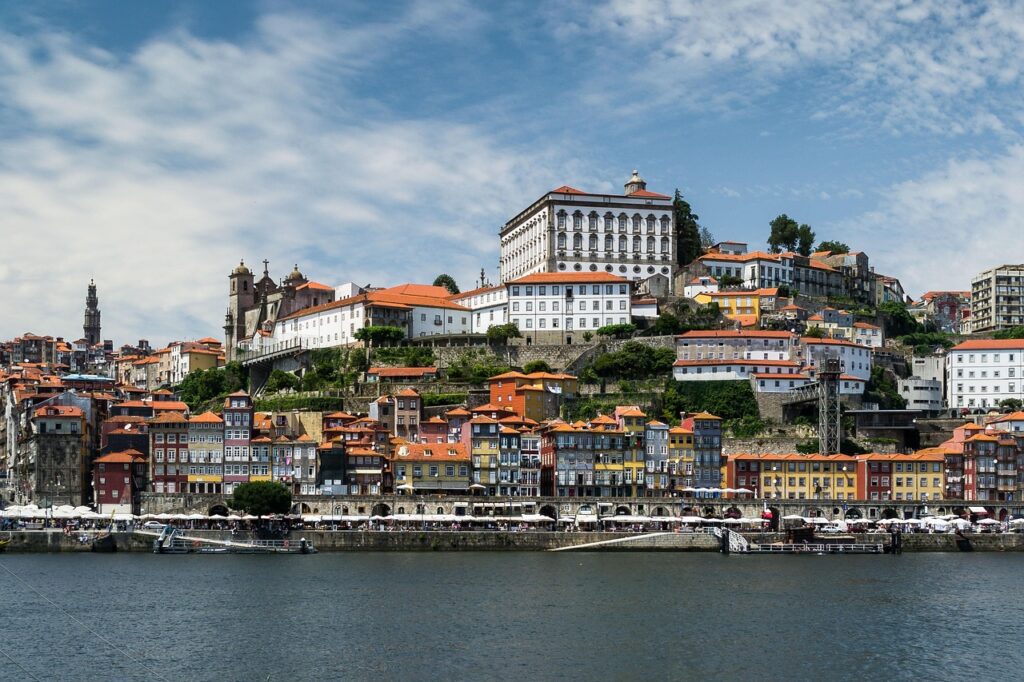
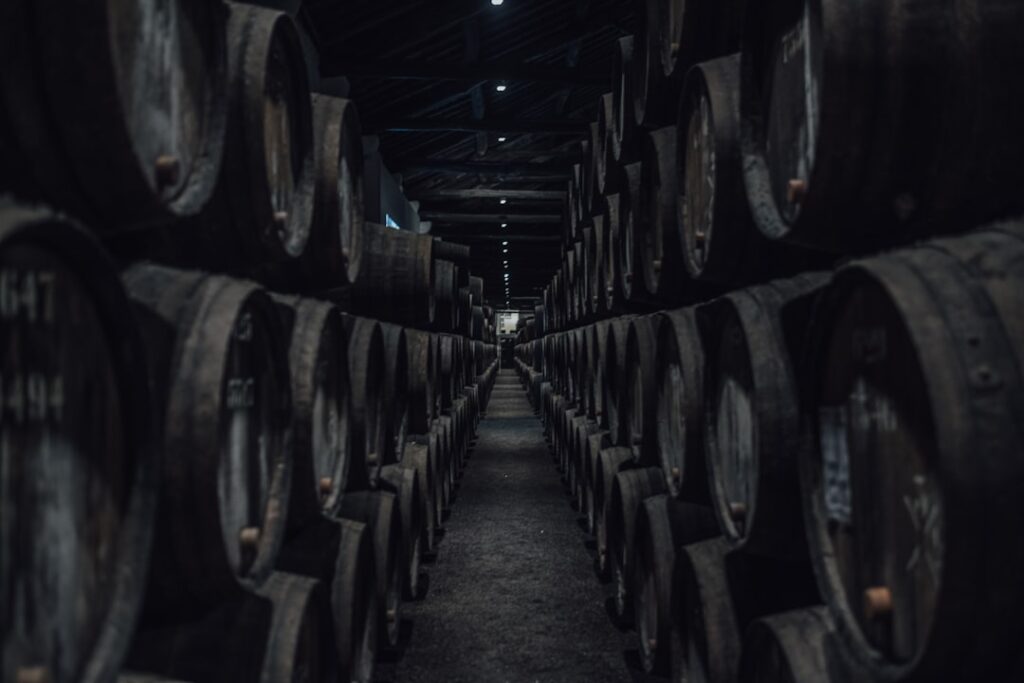
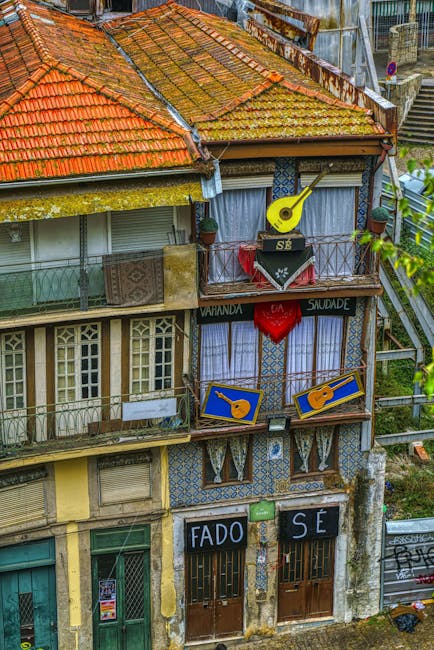
Fado is more than a musical style; it’s a shared memory, a way of expressing saudade — sorrow, longing, nostalgia — but also the beauty of small moments. While fado is often associated with Lisbon, Porto has its own tradition, venues, performers and atmosphere. In this city where the Douro embraces the quays and narrow streets tell centuries of maritime and human exchange, fado has rooted itself and evolved along its own lines: sometimes rougher, often more intimate, and closely linked to taverns, port wine cellars and historic cafés.
Porto offers curious visitors a different experience from the capital: rooms are smaller, audiences sit closer, and a fadista’s voice often reverberates between walls full of history. Here you’ll find not only the origins and evolution of fado in Porto, but also a curated list of must-visit places to kick off your immersion — from traditional casas de fado to contemporary stages reinterpreting the classic repertoire. Each listing includes exact location, practical info on opening times and prices, plus local tips to get the most out of your visit.
This guide is for travelers who want to understand and feel: for those who seek authenticity, want to avoid purely touristy shows and hope for sincere musical encounters. You’ll find immersive descriptions of atmospheres (dim lighting, tight tables, glasses of port on the counter), booking tips, advice on choosing between a dinner-show and a more informal session, and recommendations for carrying the evening on in nearby neighborhoods.
When you visit the places mentioned below, take the time to watch: how the guitarist lays a hand on the soundbox, how the voice roughens over a single word, the rapport between singer and audience. Fado in Porto is best experienced up close. And remember that the experience tastes better with a regional drink — a tawny port or a glass of vinho verde served in Porto cafés. This guide contains practical information (exact addresses, indicative prices in euros, typical hours); keep in mind that schedules can change with the season and special programming. Booking ahead is still the golden rule for the most renowned evenings.
History of fado in Porto: origins, influences and developments
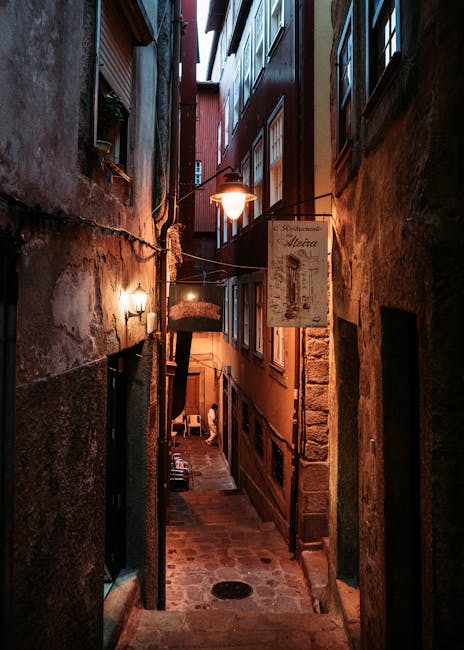
The origins of fado are complex and debated: Afro-Brazilian influences, sailors’ songs, urban modinhas, and, of course, Portuguese popular culture all play a part. As a major port city, Porto was a cultural melting pot where music and lyrics from the Atlantic and inland regions mixed. Unlike Lisbon, where fado became institutionalized from the 19th century (notably around the Mouraria and Alfama neighborhoods), Porto developed a more fragmented practice that was deeply integrated into everyday social spaces — cafés, tascas and port cellars.
In the 19th and early 20th centuries, the taverns of the Ribeira and the houses near the Gaia quay hosted informal sessions of popular song. Fado themes — separation, life at sea, lives upended by migration — resonated strongly in Porto, a city of emigration and trade. Notable changes in the 20th century include the gradual adoption of the classical setup (solo voice accompanied by the Portuguese guitar and classical guitar) as well as hybridizations: fado with electric guitar arrangements, fusions with jazz or contemporary Portuguese song.
Today, Porto balances respect for the traditional repertoire with contemporary approaches. Historic casas de fado tend to preserve older forms and the solemnity of interpretations, while newer stages experiment with fado’s language to renew it. This coexistence benefits visitors: you can attend a very traditional recital one night and, the next evening, a modern take that rethinks accompaniment and dramaturgy.
Local tip: to grasp this richness, alternate formal performances (reserved with dinner) and more spontaneous sessions in bars or cafés. Talk with the musicians after the show — fadistas and guitarists in Porto are often happy to share local anecdotes about songs. And remember the best way to appreciate fado is to listen rather than photograph the scene intrusively — presence matters.
Must-visit casas and venues to start: addresses, hours and prices
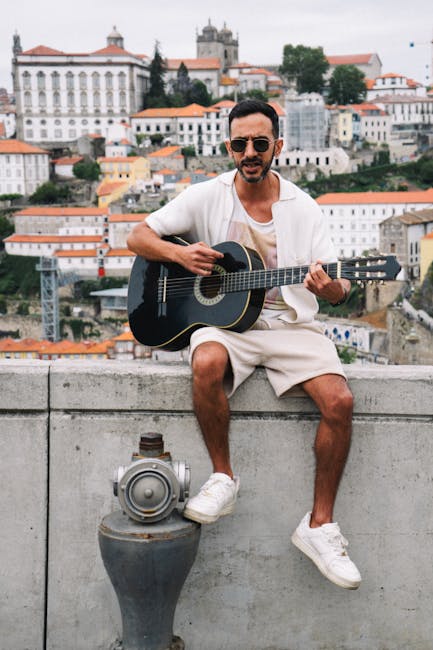
For a first encounter with fado in Porto, here’s a selection of venues that showcase different sides of the practice: tradition, musical institutions, historic cafés and contemporary stages. Each entry includes an address, typical hours and an indicative price range to help you plan your visit.
-
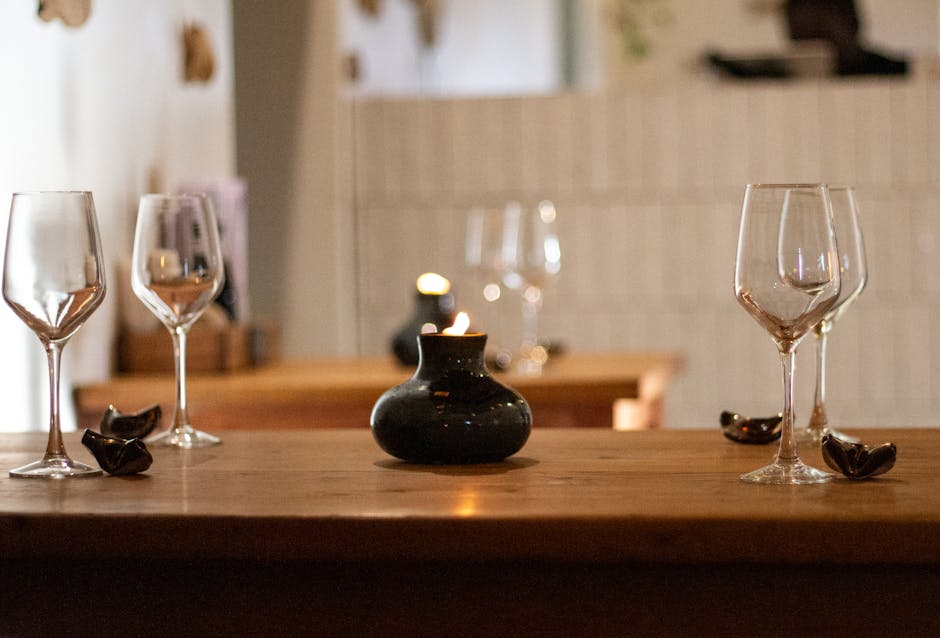
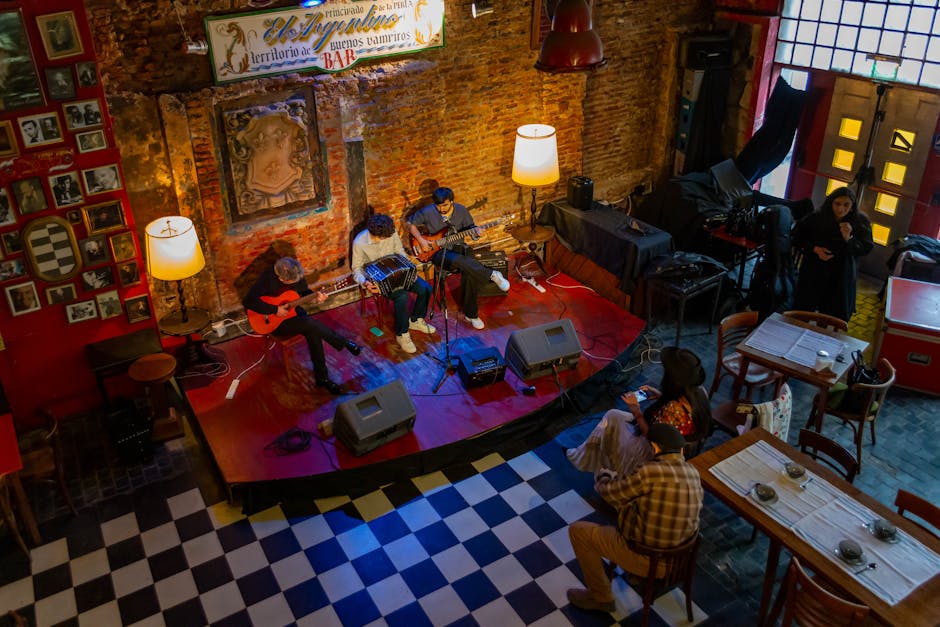
Casa da Mariquinhas — Rua de Cimo de Vila 39, 4050-225 Porto. Hours: generally shows Thursday to Saturday from 8:30pm to 11:30pm (check before you go). Price: admission with show €20–35 (dinner-show €35–55 depending on menu). Description: a traditional, intimate house with stone walls, limited capacity, warm atmosphere and a repertoire focused on Coimbra fado and urban fado.
-
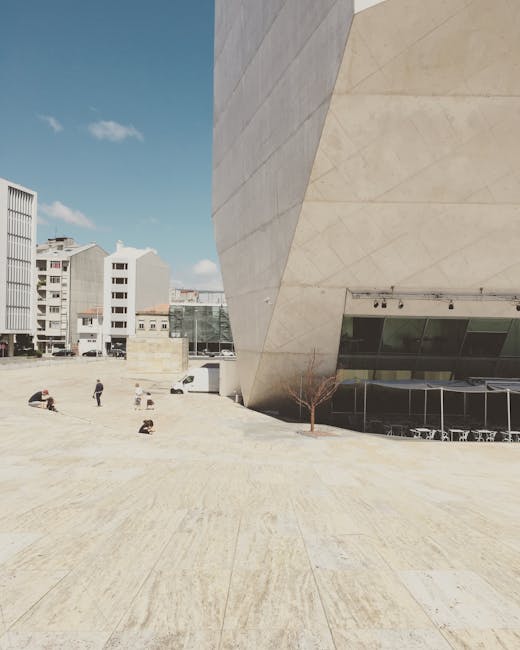
Casa da Música — Sala Suggia / Auditorium — Avenida da Boavista 604-610, 4149-071 Porto. Hours: programming varies; concerts often take place in the evening (check the website). Price: tickets €10–40 depending on the event. Description: known for contemporary and classical music, Casa da Música regularly programs fado nights and Portuguese music with acclaimed artists. Ideal for a more staged, orchestrated fado experience.
-
Café Guarany — Avenida dos Aliados 85, 4000-066 Porto. Hours: the café is open daily; musical evenings generally run from 8:30pm to 11:00pm several times a week. Price: free admission on some nights; special nights €10–25; buying a drink at the bar is recommended. Description: an Art Deco historic café and cultural meeting place where intimate recitals of Portuguese song and fado are organized.
-
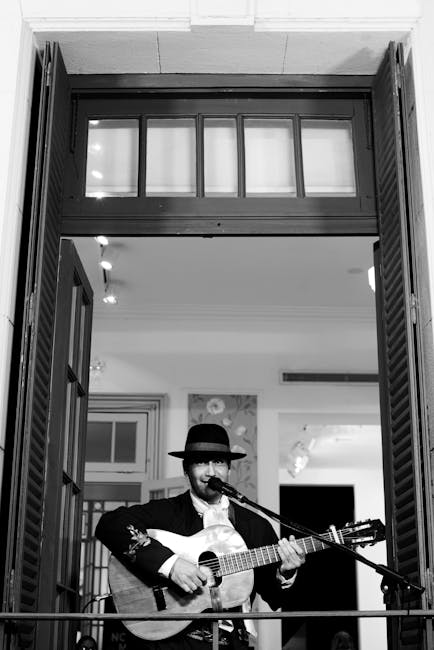
Casa do Fado e da Guitarra — Rua de São João 146, 4050-552 Porto. Hours: shows on weekdays and weekends, typically 9:00pm–11:00pm (reservation recommended). Price: €15–30 (admission alone) / dinner-show €35–60. Description: a house dedicated to fado and the Portuguese guitar, highlighting young local talent and the traditional repertoire.
Note: the addresses and hours shown are representative of current practices but may vary with seasonal programming. Always check online or call before you go. Prices are listed in euros and cover both simple admission and dinner-show packages.
How to choose your first fado night in Porto: practical tips and etiquette
Picking your first fado night depends on what you’re after: raw authenticity, stage comfort, or meeting musicians. For an authentic first immersion, favor a small casa de fado or a traditional café. For a more staged experience, choose a concert at Casa da Música or a venue offering a full dinner-show.
Practical tips to prepare your evening:
- Booking: Reserve online or by phone, especially for weekend nights. Intimate venues have limited seating.
- Arrival time: Arrive 15–30 minutes before start to pick a good table and respect the sequence (meal, presentation, cycles of songs).
- Meal vs admission only: Many casas offer a fixed menu + show (€35–60). If you prefer to listen without dinner, check the times for the “admission only” session (often cheaper, €15–30).
- Photography: Avoid flash and keep photos to a minimum: fado is to be listened to. It’s better to savor the moment and respect the silence between songs.
- Interaction: Applause happens between songs, not during performance. After the show, it’s common to congratulate the artists — ask first if you want to take a photo.
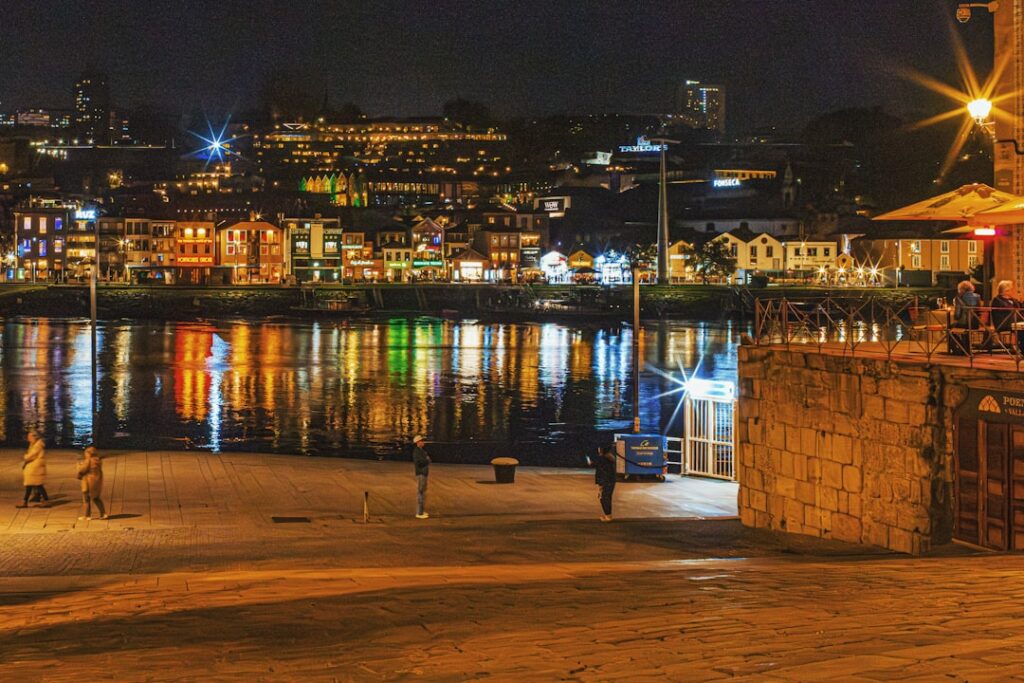
Additional local tips: if you want to extend the evening, head to the Ribeira or Rua de Cândido dos Reis, where several bars host informal jam sessions. Wine shoppers can combine a fado night with a port tasting in Vila Nova de Gaia — many lodges are open until 7pm or 8pm depending on the season.
Emerging scenes and suggestions to extend the experience
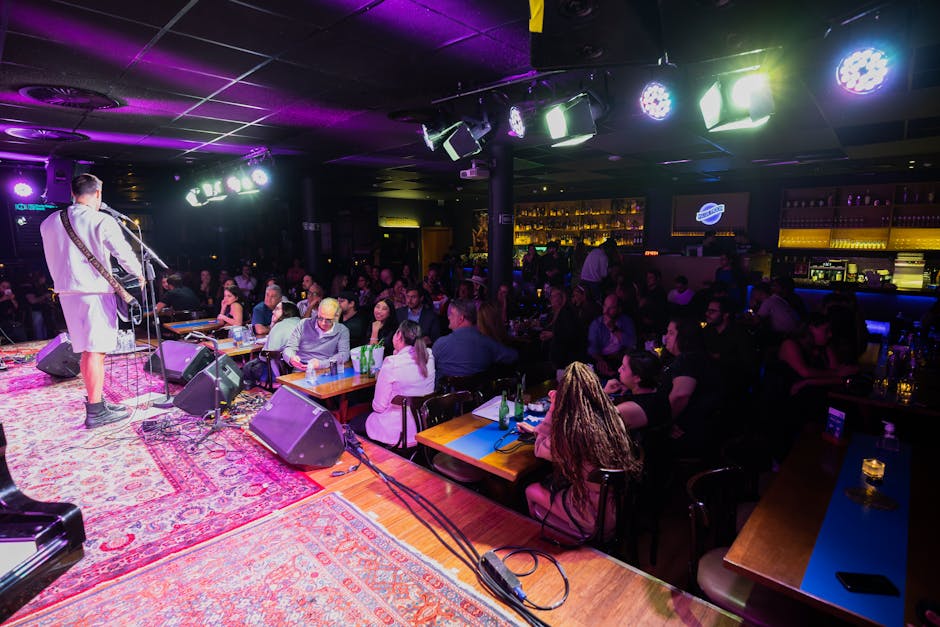
Porto has a vibrant, constantly renewing scene. Young singers and guitarists are reinterpreting fado within contemporary contexts: collaborations with jazz, subtle electronic arrangements, or poetic rewrites of lyrics. Look for listings of “fado contemporâneo” at record libraries, small independent venues and local festivals (spring/summer). University nights and cultural centers (e.g., Fundação de Serralves for special events) can also program innovative projects.
To deepen the experience:
- Visit a museum related to Portuguese music or local history to gain additional context.
- Plan a port tasting at one of the Gaia lodges (e.g., Cálem, Sandeman — addresses and hours available on site), often a great complement to a fado evening.
- Attend daytime guitarist performances in cafés: these mini-sessions help you learn more about the instrument — the guitarra portuguesa — and its specific techniques.
Finally, keep an open mind: fado in Porto is a living experience, rooted in respect for old forms and open to experimentation. Listen, compare, ask locals for recommendations — taxi drivers, bartenders and hotel staff often have up-to-date, valuable addresses. Above all: let yourself be carried by the voice, the timbre and the history each singer brings to the stage.
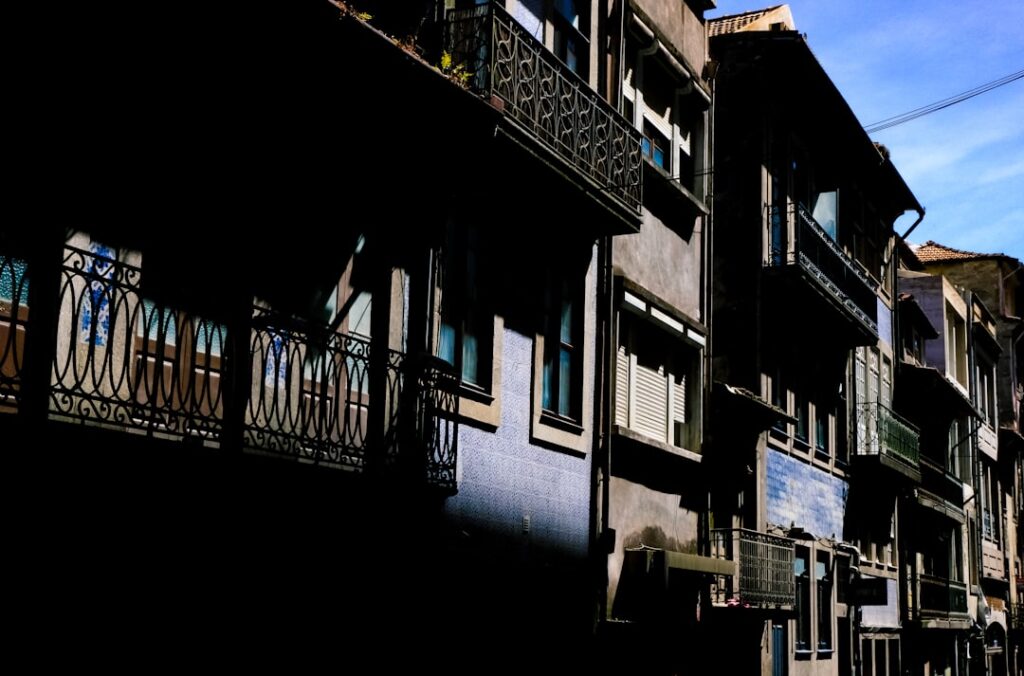
Conclusion — Immerse yourself in Porto’s fado: patience, respect and curiosity
Fado in Porto reveals itself to those who come with patience, respect and an active curiosity. Far from a frozen tourist attraction, it’s a living, multiple and changing tradition. Start with a traditional casa to feel the intimacy of recitals, then broaden your choices to larger stages or contemporary programs to see how fado reinvents itself.
This guide gives you concrete addresses, practical indications (exact addresses, usual hours, price ranges in euros) and local tips to make the most of your experience. Don’t forget to check schedules and availability before heading out: programming can change with the season. Booking remains the best guarantee of a seat, especially for popular evenings.
Lastly, respect the venue’s etiquette: listen without disturbing, support the artists by buying a drink or contributing to the modest entrance fee, and strike up a conversation after the show if the chance arises. Fado is a meeting — between a place’s history, a singer’s voice and your own sensibility. In Porto, that encounter often takes place in settings full of history — cellars, Art Deco cafés, candlelit alleys — and will leave lasting memories if you take the time to truly listen. Have a good trip and happy listening.